
Semaglutide and Chronic Kidney Disease: FLOW Trial Shows 24% Risk Reduction
The FLOW trial establishes semaglutide as the first GLP-1 receptor agonist to demonstrate kidney-protective effects in a dedicated renal outcomes trial. In 3,533 patients with type 2 diabetes and chronic kidney disease, once-weekly semaglutide 1 mg reduced major kidney events by 24%, slowed annual eGFR decline by 1.16 mL/min/1.73 m², and lowered all-cause mortality by 20%. These findings expand the therapeutic landscape for GLP-1 receptor agonists beyond glycemic control and weight management.
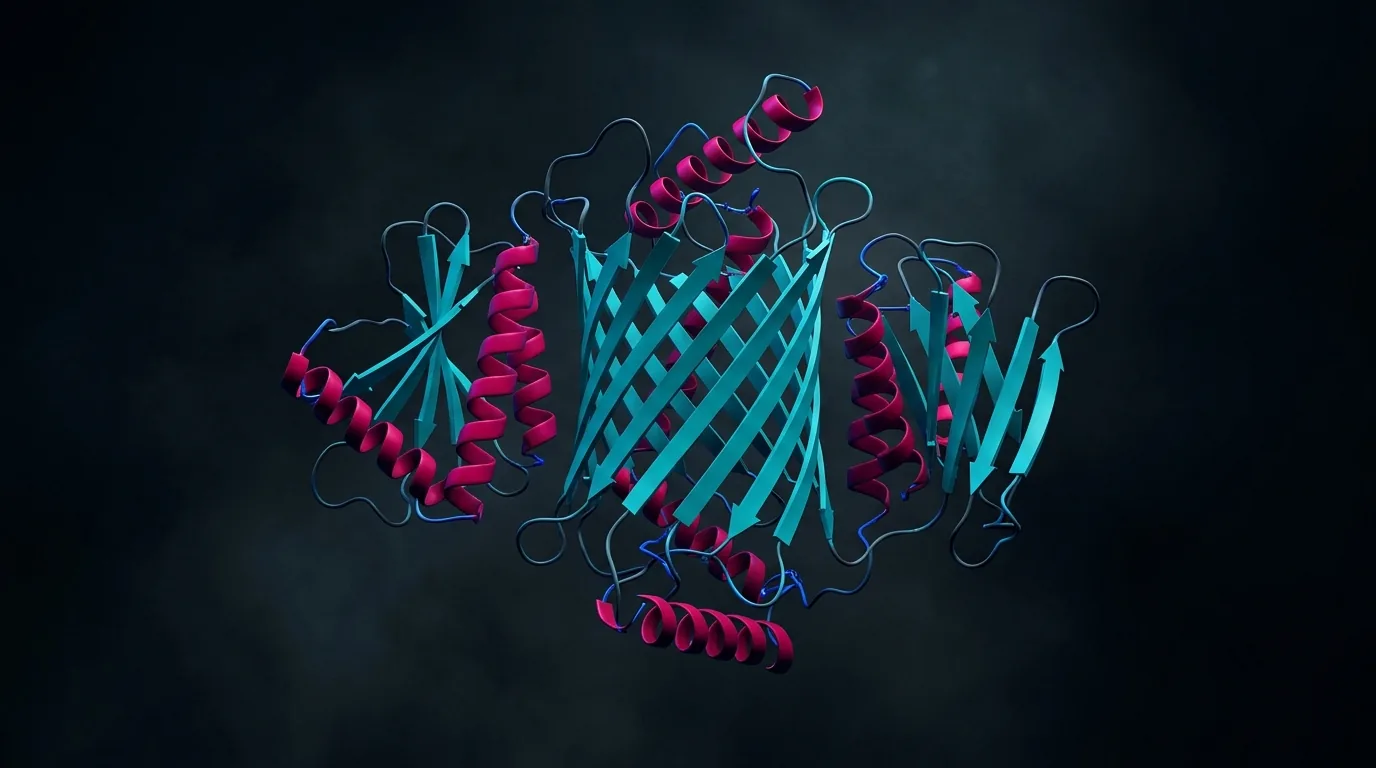
For laboratory research use only. Not for human consumption.
FLOW Trial Overview: Design and Rationale
The FLOW (Evaluate Renal Function with Semaglutide Once Weekly) trial represents the first dedicated renal outcomes trial for a GLP-1 receptor agonist. This phase 3, randomized, double-blind, placebo-controlled trial enrolled 3,533 participants across 28 countries to evaluate whether once-weekly subcutaneous semaglutide 1 mg could slow kidney disease progression in adults with type 2 diabetes mellitus (T2D) and chronic kidney disease (CKD).
Eligible participants had an estimated glomerular filtration rate (eGFR) of 50 to 75 mL/min/1.73 m² with a urine albumin-to-creatinine ratio (UACR) of 300 to 5,000 mg/g, or an eGFR of 25 to 50 mL/min/1.73 m² with a UACR of 100 to 5,000 mg/g. This selection criteria ensured enrollment of patients at significant risk of progressive kidney function loss. The median follow-up was 3.4 years, though the trial was stopped early at a prespecified interim analysis due to clear efficacy.
The FLOW trial was stopped early at a prespecified interim analysis due to overwhelming evidence of efficacy -- the first GLP-1 receptor agonist trial to achieve this in a dedicated renal endpoint study.
The primary composite endpoint comprised the onset of kidney failure (dialysis initiation, kidney transplantation, or sustained eGFR below 15 mL/min/1.73 m²), a sustained reduction of at least 50% in eGFR from baseline, or death from kidney-related or cardiovascular causes. This endpoint aligns with consensus recommendations for kidney disease trial design and captures clinically meaningful disease progression.
Primary Endpoints: 24% Reduction in Major Kidney Events
The FLOW trial demonstrated that semaglutide 1 mg administered once weekly reduced the risk of the primary composite kidney outcome by 24% compared to placebo (hazard ratio 0.76; 95% CI 0.66-0.88; P = 0.0003). In absolute terms, 331 primary-outcome events occurred in the semaglutide group versus 410 in the placebo group over the median 3.4-year follow-up period.
- Primary composite endpoint: HR 0.76 (95% CI 0.66-0.88; P = 0.0003) -- 24% relative risk reduction
- Kidney-specific composite (excluding CV death): HR 0.71 -- 29% relative risk reduction
- Onset of kidney failure: significantly reduced with semaglutide
- Sustained ≥50% eGFR decline from baseline: significantly reduced with semaglutide
- UACR reduction: 38% greater decrease with semaglutide vs. placebo
The kidney-specific components of the composite endpoint showed an even more pronounced effect (HR 0.71), indicating that the renal benefits were not driven solely by the cardiovascular death component. The 38% greater reduction in UACR with semaglutide further supports a direct nephroprotective mechanism, as albuminuria is both a marker of kidney damage and an independent risk factor for disease progression.
eGFR Decline and Renal Function Preservation
One of the most clinically relevant findings from the FLOW trial was the significant slowing of annual eGFR decline. The mean annual eGFR slope was less steep by 1.16 mL/min/1.73 m² per year in the semaglutide group compared to placebo (P < 0.001). This preservation of glomerular filtration rate has substantial implications for delaying the need for renal replacement therapy.
To contextualize this finding: in patients with diabetic kidney disease, annual eGFR decline typically ranges from 2 to 5 mL/min/1.73 m² per year. A 1.16 mL/min/1.73 m² annual difference translates to meaningful preservation of kidney function over years of treatment. This rate of preservation is comparable to or exceeds that observed with established nephroprotective agents such as SGLT2 inhibitors in similar patient populations.
The 1.16 mL/min/1.73 m² annual eGFR preservation with semaglutide is comparable to effects seen with SGLT2 inhibitors, suggesting GLP-1 receptor agonists may represent an additive therapeutic approach in CKD management research.
Cardiovascular and Mortality Outcomes
Beyond kidney-specific endpoints, the FLOW trial revealed significant cardiovascular and survival benefits. Major adverse cardiovascular events (MACE) were reduced by 18% with semaglutide (HR 0.82). Cardiovascular death was reduced by 29%, and all-cause mortality was reduced by 20% (HR 0.80).
- Major cardiovascular events (MACE): 18% risk reduction (HR 0.82)
- Cardiovascular death: 29% risk reduction
- All-cause mortality: 20% risk reduction (HR 0.80)
- Body weight reduction: 4.1 kg greater decrease vs. placebo
- HbA1c reduction: 0.81 percentage points greater decrease vs. placebo
- Systolic blood pressure: 2.23 mmHg greater decrease vs. placebo
These cardiovascular findings are particularly relevant given the well-established cardiorenal syndrome, where kidney disease and cardiovascular disease share bidirectional pathogenic mechanisms. The simultaneous reduction in renal and cardiovascular endpoints suggests that semaglutide may act on shared pathophysiological pathways, including systemic inflammation, endothelial dysfunction, and metabolic dysregulation.
Molecular Mechanisms of GLP-1 Receptor-Mediated Nephroprotection
Semaglutide is a synthetic GLP-1 analogue with 94% structural homology to native human GLP-1 (7-36) amide. Its molecular formula is C₁₈₇H₂₉₁N₄₅O₅₉ with a molecular weight of approximately 4,113.58 Da. A C-18 fatty diacid chain conjugated via a linker to Lys26 enables albumin binding, extending the plasma half-life to approximately 165 hours and permitting once-weekly administration.
The nephroprotective mechanisms of GLP-1 receptor agonists are multifactorial and remain an active area of investigation. GLP-1 receptors have been identified in renal vasculature, glomerular endothelium, and proximal tubular epithelial cells. Proposed mechanisms include reduction of glomerular hyperfiltration through tubuloglomerular feedback modulation, decreased proximal tubular sodium reabsorption via downregulation of the sodium-hydrogen exchanger 3 (NHE3), and attenuation of renal inflammation through suppression of NF-κB and TGF-β signaling pathways.
Additionally, indirect nephroprotective effects likely contribute to the observed outcomes. Improved glycemic control reduces glucotoxicity-mediated mesangial cell proliferation and extracellular matrix accumulation. Weight reduction decreases glomerular hyperfiltration associated with obesity-related nephropathy. The observed systolic blood pressure reduction of 2.23 mmHg further decreases intraglomerular pressure and mechanical stress on the glomerular filtration barrier.
Safety Profile and Adverse Events
The safety profile of semaglutide in the FLOW trial was consistent with the established class profile of GLP-1 receptor agonists. Notably, serious adverse events were reported in a lower percentage of participants in the semaglutide group than in the placebo group (49.6% vs. 53.8%), suggesting no additional safety burden and a potential overall clinical benefit.
Gastrointestinal adverse events, the most commonly reported class effect of GLP-1 receptor agonists, occurred more frequently with semaglutide but were predominantly mild to moderate in severity and decreased over time. The overall discontinuation rate due to adverse events was comparable between treatment groups, indicating acceptable tolerability in this population with advanced kidney disease and multiple comorbidities.
Implications for GLP-1 Receptor Agonist Research
The FLOW trial fundamentally expands the scientific understanding of GLP-1 receptor agonist pharmacology beyond glucose metabolism and body weight regulation. Prior to FLOW, kidney-related benefits of GLP-1 receptor agonists were observed only as secondary or exploratory endpoints in cardiovascular outcome trials such as SUSTAIN-6 and LEADER. The FLOW trial provides the first dedicated, adequately powered evidence of nephroprotection as a primary outcome.
These findings position GLP-1 receptor agonists alongside SGLT2 inhibitors and non-steroidal mineralocorticoid receptor antagonists as compounds with demonstrated renal endpoint benefits in patients with T2D and CKD. Importantly, the FLOW trial permitted concomitant use of SGLT2 inhibitors and RAS inhibitors, and subgroup analyses suggested consistent benefits regardless of baseline SGLT2 inhibitor use -- raising the possibility of additive nephroprotection through complementary mechanisms.
This article discusses published research data on semaglutide as a chemical compound. ChemVerify does not provide medical advice, treatment recommendations, or dosing guidance. All findings are presented for scientific and educational purposes only.
Limitations and Future Directions
Several limitations of the FLOW trial merit consideration. The early trial termination, while ethically appropriate given clear efficacy, may have limited the ability to detect rarer adverse events or assess very long-term outcomes. The study population was restricted to patients with T2D and CKD, so the generalizability of these findings to non-diabetic CKD populations remains uncertain. Additionally, the trial used subcutaneous semaglutide 1 mg, and whether the higher 2.4 mg dose used for weight management would confer additional renal benefits is unknown.
Future research directions include evaluating GLP-1 receptor agonists in non-diabetic CKD populations, investigating the additive or synergistic effects of combined GLP-1 RA and SGLT2 inhibitor therapy on renal outcomes, and elucidating the precise molecular mechanisms underlying nephroprotection through preclinical models. The ongoing development of oral semaglutide formulations and dual GIP/GLP-1 receptor agonists (such as tirzepatide) may further broaden the therapeutic landscape for kidney disease research.
The FLOW trial data, presented at the APhA 2026 annual meeting and published in the New England Journal of Medicine, establish a new benchmark for GLP-1 receptor agonist research in nephrology.
Compounds Referenced in This Article
Explore detailed chemical profiles and research guides for compounds discussed in this article:
- Semaglutide: Complete Research Guide → /learn/semaglutide
Further Reading on ChemVerify
- Read more: Medicare GLP-1 Bridge Program: $50/Month Coverage Starting July 2026 → https://www.chemverify.com/learn/medicare-glp1-bridge-program-50-month-coverage-july-2026
- Read more: Orforglipron FDA Approval April 2026: First Oral GLP-1 Without Food Restrictions → https://www.chemverify.com/learn/orforglipron-fda-approval-april-2026
- Read more: GLP-1 Agonists for Alzheimer's and Parkinson's: 2026 Research Update → https://www.chemverify.com/learn/glp-1-agonists-alzheimers-parkinsons-2026-research-update
- Read more: Tirzepatide vs Semaglutide 2026: SURMOUNT-5 Head-to-Head Results Compared → https://www.chemverify.com/learn/semaglutide-vs-tirzepatide
References
Compare Verified Vendors
Browse COA-verified suppliers with exclusive discount codes and transparent pricing.
Continue Reading
GLP-1 Agonists for Alzheimer's and Parkinson's: 2026 Research Update
A comprehensive review of GLP-1 receptor agonist research in neurodegenerative diseases, covering the LixiPark Phase II trial for Parkinson's disease, the EVOKE Phase III semaglutide trials for Alzheimer's, liraglutide ELAD results, proposed neuroprotective mechanisms, and the evolving clinical trial pipeline as of 2026.
Orforglipron FDA Approval April 2026: First Oral GLP-1 Without Food Restrictions
The FDA approved orforglipron (Foundayo) on April 1, 2026 – the first non-peptide small-molecule oral GLP-1 receptor agonist with no food or water restrictions. This analysis covers its mechanism of action, ATTAIN-1 and ATTAIN-2 clinical trial data, comparison to oral semaglutide, safety profile, and implications for peptide research.
Medicare GLP-1 Bridge Program: $50/Month Coverage Starting July 2026
Beginning July 1, 2026, Medicare will cover select GLP-1 receptor agonist medications for weight management at a $50 monthly copay through the new Medicare GLP-1 Bridge program – the first-ever Medicare coverage for obesity medications after a two-decade statutory exclusion.