
Legal Framework for Research Peptides: Purchase and Possession Guide
Understand the legal framework governing research peptide purchase and possession. Learn regulatory requirements, compliance guidelines, and legal considerations for researchers.
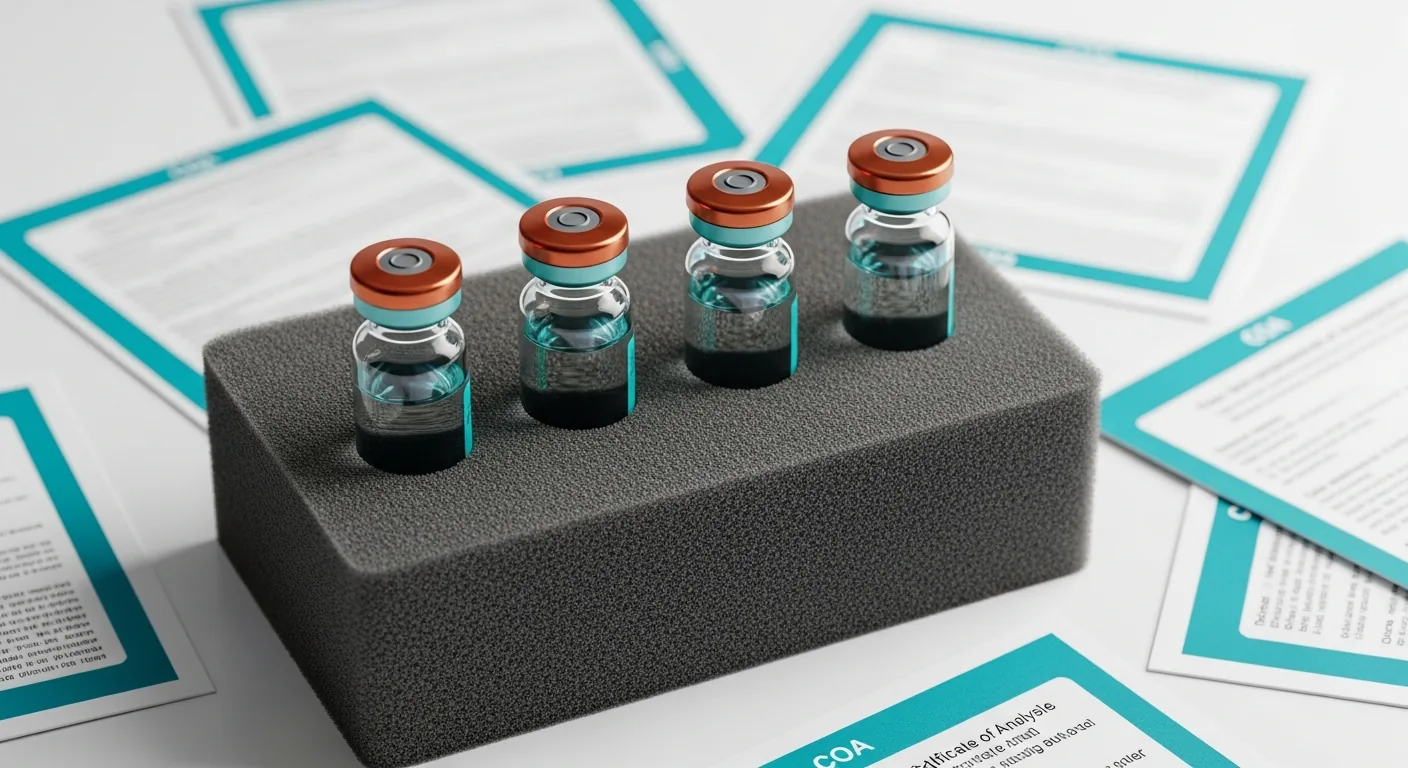
The legal framework governing research peptides is complex and multifaceted, involving federal, state, and institutional regulations. Understanding these legal requirements is crucial for researchers, institutions, and suppliers involved in peptide research. This comprehensive guide explores the regulatory landscape surrounding the purchase and possession of research peptides.
TL;DR: Research peptide legality varies by jurisdiction, compound classification, and intended use. In the US, most non-scheduled peptides can be legally purchased for laboratory research under RUO (Research Use Only) designations. The EU follows CE/IVD frameworks for research reagents. Key compliance factors include proper documentation, end-use declarations, institutional oversight, and adherence to import/export regulations specific to each country.
Last verified: March 2026 | Data accuracy confirmed by ChemVerify Editorial Team
Regulatory Landscape for Research Peptides
Research peptides operate within a regulatory gray area that combines elements of drug law, research regulations, and chemical safety requirements. Unlike approved pharmaceuticals, research peptides are not subject to the same stringent regulatory oversight, but they are still governed by various federal and state agencies.
The primary regulatory bodies involved include the Food and Drug Administration (FDA), Drug Enforcement Administration (DEA), and various state health departments. Each agency has specific jurisdiction over different aspects of peptide research and commerce.
Research peptides are generally not approved for human consumption and must be clearly labeled for research purposes only.
FDA Regulations and Guidelines
The FDA regulates research peptides under the Federal Food, Drug, and Cosmetic Act (FD&C Act). While research peptides are not subject to the same approval process as therapeutic drugs, they must comply with specific requirements when sold for research purposes.
- Research peptides cannot be marketed for human consumption
- Products must be clearly labeled as 'For Research Use Only'
- Suppliers cannot make therapeutic claims about research peptides
- Good Manufacturing Practices (GMP) may apply to certain peptide production
- Institutional Review Board (IRB) approval may be required for certain research applications
The FDA has increased scrutiny of companies selling research peptides that appear to be marketing them for human use. This includes peptides like BPC-157, TB-500, and Semaglutide, which have gained attention for their potential therapeutic applications.
DEA and Controlled Substances Considerations
Most research peptides are not classified as controlled substances under the Controlled Substances Act (CSA). However, researchers must be aware of peptides that may have controlled substance analogues or metabolites.
The DEA monitors research chemical markets for substances that could be used to synthesize controlled substances or that have abuse potential. While traditional research peptides like Ipamorelin, Tesamorelin, or CJC-1295 are not controlled substances, researchers should verify the legal status of any peptide before purchase.
Always verify that research peptides are not listed as controlled substances or analogues before purchase and possession.
State and Local Legal Frameworks
State laws regarding research peptides vary significantly across jurisdictions. Some states have enacted specific legislation governing research chemicals, while others rely on federal regulations or general drug laws.
- Some states require licensing for research chemical purchases
- Certain states have banned specific research peptides
- Local ordinances may restrict peptide possession or use
- State health departments may have additional reporting requirements
- Professional licensing boards may have specific guidelines for researchers
Researchers must comply with both federal and state regulations, ensuring they understand the specific requirements in their jurisdiction before purchasing or possessing research peptides.
Research Use Only Designation
The 'Research Use Only' (RUO) designation is critical for the legal purchase and possession of research peptides. This designation establishes that the peptides are intended solely for scientific research and not for human consumption or therapeutic use.
Legal requirements for RUO peptides include proper labeling, appropriate storage, controlled access, and detailed documentation of research purposes. Violating these requirements can result in serious legal consequences.
Institutional and Laboratory Requirements
Research institutions typically have their own policies governing peptide research that may be more restrictive than federal or state requirements. These institutional requirements often include:
- Institutional Review Board (IRB) approval for certain research protocols
- Biosafety committee oversight for peptide handling
- Environmental health and safety compliance
- Secure storage and inventory management systems
- Training requirements for personnel handling research peptides
Documentation and Record-Keeping
Proper documentation is essential for legal compliance when purchasing and possessing research peptides. Required records typically include purchase documentation, inventory logs, usage records, and disposal documentation.
These records must be maintained for specified periods and made available for inspection by regulatory authorities. Failure to maintain adequate records can result in legal penalties and loss of research privileges.
International Legal Considerations
International shipment and possession of research peptides involves additional legal complexities. Different countries have varying regulations regarding peptide importation, and researchers must comply with both origin and destination country requirements.
- Import/export permits may be required for certain peptides
- Customs declarations must accurately describe research peptides
- Some countries prohibit specific research peptides entirely
- International shipping requires proper documentation and labeling
- Researchers traveling with peptides may face additional scrutiny
Always verify international regulations before shipping or traveling with research peptides across borders.
Compliance Best Practices
Maintaining legal compliance requires implementing comprehensive policies and procedures that address all aspects of research peptide purchase, possession, and use.
- Establish clear policies for peptide procurement and use
- Implement secure storage and inventory management systems
- Provide regular training for personnel handling research peptides
- Maintain detailed documentation of all peptide-related activities
- Conduct regular compliance audits and assessments
- Stay updated on changing regulations and legal requirements
Legal Risks and Penalties
Non-compliance with research peptide regulations can result in severe legal consequences, including criminal charges, civil penalties, loss of research licenses, and institutional sanctions.
Common violations include misrepresenting research purposes, selling peptides for human consumption, inadequate record-keeping, and failure to comply with storage requirements. These violations can result in federal prosecution and significant financial penalties.
Supplier Legal Verification
Researchers must ensure they purchase peptides from legally compliant suppliers. This includes verifying that suppliers have proper business licenses, comply with manufacturing standards, and provide accurate product documentation.
- Verify supplier business licenses and registrations
- Confirm compliance with applicable manufacturing standards
- Review product certificates of analysis and purity documentation
- Ensure proper labeling and packaging compliance
- Verify supplier compliance with shipping and handling regulations
Due diligence in supplier selection is essential for maintaining legal compliance and ensuring research integrity.
The legal framework surrounding research peptides continues to evolve as regulatory agencies adapt to new scientific developments and market changes. Researchers must stay informed about regulatory updates and maintain strict compliance with all applicable laws and regulations. By understanding and following these legal requirements, researchers can conduct valuable peptide research while avoiding legal complications and ensuring the integrity of their scientific work.
Frequently Asked Questions
Do I need a license to purchase research peptides?
In most jurisdictions, no specific license is required to purchase non-scheduled research peptides for legitimate laboratory use. However, institutional affiliation, end-use documentation, and compliance with local import regulations may be required by suppliers and customs authorities.
What documentation should accompany research peptide purchases?
Standard documentation includes a Certificate of Analysis (CoA), Material Safety Data Sheet (MSDS/SDS), end-use declaration stating research-only intent, and institutional purchase order. Some jurisdictions require additional import permits or customs declarations.
Can individual researchers purchase peptides without institutional backing?
Policies vary by supplier and jurisdiction. Many reputable vendors require institutional affiliation or verifiable research credentials. Independent researchers may face additional verification requirements. Purchasing peptides for non-research purposes may violate applicable regulations.
How do peptide regulations differ between the US and EU?
The US primarily regulates peptides through FDA (for therapeutic use) and DEA (for scheduled substances) frameworks, with RUO compounds largely unregulated. The EU applies harmonized CE marking and REACH chemical regulations, with member states maintaining additional national requirements for research chemicals.
What happens if a research peptide is reclassified or scheduled?
When a peptide is scheduled or reclassified, existing inventory may need to be surrendered, destroyed, or transferred to licensed facilities depending on jurisdictional requirements. Researchers should monitor regulatory updates and maintain compliance documentation to ensure smooth transitions during regulatory changes.
Compounds Referenced in This Article
Explore detailed chemical profiles and research guides for compounds discussed in this article:
- BPC-157: Complete Research Guide → /learn/bpc-157
- CJC-1295: Complete Research Guide → /learn/cjc-1295-no-dac
- Ipamorelin: Complete Research Guide → /learn/ipamorelin
- Semaglutide: Complete Research Guide → /learn/semaglutide
- TB-500: Complete Research Guide → /learn/tb-500
- Tesamorelin: Complete Research Guide → /learn/tesamorelin
Further Reading on ChemVerify
- Read more: AI-Guided High-Throughput Screening Accelerates Antimicrobial Peptide-Mimicking Polymer Discovery → https://www.chemverify.com/learn/ai-guided-antimicrobial-peptide-polymer-discovery
- Read more: Re-Engineering Insulin for Oral Delivery: Structural Modifications and Formulation Advances → https://www.chemverify.com/learn/insulin-oral-delivery-peptide-engineering
- Read more: Cyclic Lipopeptides: Biosurfactant Peptides as Next-Generation Drug Delivery Modulators → https://www.chemverify.com/learn/cyclic-lipopeptides-drug-delivery-modulators
- Read more: Microneedle-Delivered Peptide Decoy Receptors Show Promise in Psoriasis Treatment → https://www.chemverify.com/learn/microneedle-peptide-decoy-receptors-psoriasis
- Read more: GLP-1 Receptor Agonists Demonstrate Cardiorenal Protection in Chronic Kidney Disease: Meta-Analysis → https://www.chemverify.com/learn/glp1-receptor-agonists-cardiorenal-protection-ckd
References
Compare Verified Vendors
Browse COA-verified suppliers with exclusive discount codes and transparent pricing.
You Might Also Like
Continue Reading
NPC Peptide Regulations: Complete Compliance Guide for Researchers
Comprehensive guide to NPC peptide regulations, compliance requirements, and legal frameworks for research peptides. Essential knowledge for laboratories.
How Much Do Research Peptides Cost? Price Factors, Quantity Comparison, and Hidden Costs
Research peptide prices range from $15 to $300+ per vial. Learn what drives cost – purity, synthesis complexity, quantity, shipping, cold chain, and testing – plus how to compare.
AI-Guided High-Throughput Screening Accelerates Antimicrobial Peptide-Mimicking Polymer Discovery
Researchers at Zhejiang University combined machine learning with automated high-throughput synthesis to efficiently discover antimicrobial polymers that mimic the action of natural antimicrobial peptides, screening over 13,000 candidates to find top performers.
Re-Engineering Insulin for Oral Delivery: Structural Modifications and Formulation Advances
A comprehensive 2026 review examines cutting-edge strategies to overcome the challenges of oral insulin delivery, including PEGylation, lipidation, cyclization, and nanocarrier technologies that enhance peptide stability and bioavailability.