
Proper Storage Protocol for Lyophilized Peptides: Complete Guide
Learn the essential storage protocols for lyophilized peptides to maintain stability, potency, and prevent degradation in research applications.
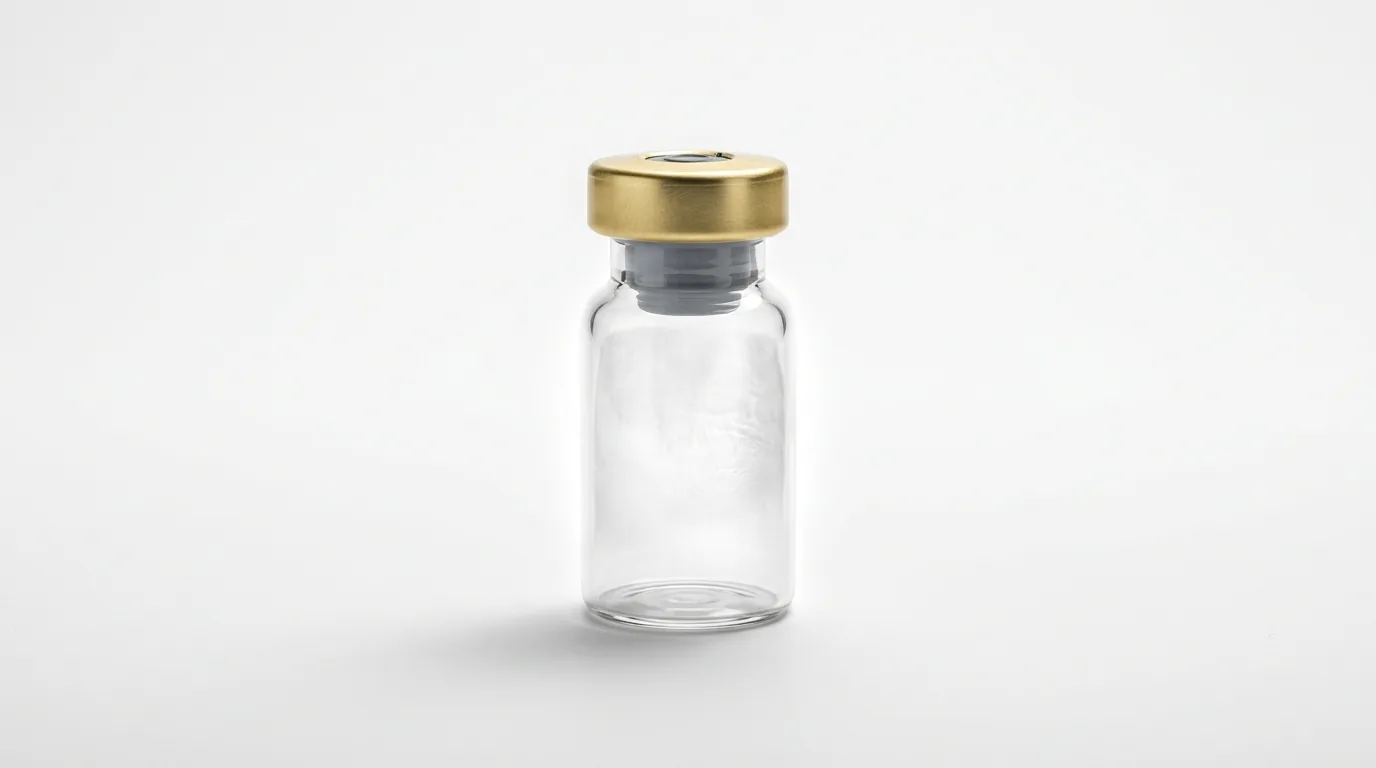
Proper storage protocol for lyophilized peptides is crucial for maintaining their stability, potency, and research integrity. Lyophilization, or freeze-drying, removes water content while preserving the peptide's structure, but this process doesn't eliminate the need for careful storage practices. Understanding the specific requirements for storing lyophilized peptides ensures optimal performance in research applications and prevents costly degradation.
TL;DR: Lyophilized peptides should be stored at -20°C or below in airtight containers with desiccant to prevent moisture absorption. Reconstituted peptides belong at 2–8°C for short-term use or aliquoted at -20°C to -80°C for long-term storage. Avoid repeated freeze-thaw cycles, protect from light, and always equilibrate vials to room temperature before opening.
Last verified: March 2026 | Data accuracy confirmed by ChemVerify Editorial Team
Understanding Lyophilized Peptides
Lyophilized peptides are freeze-dried compounds that have undergone sublimation to remove water content while maintaining their molecular structure. This process creates a stable, powder-like substance that's less susceptible to degradation than liquid formulations. However, the absence of water doesn't make these peptides immune to environmental factors.
The lyophilization process preserves peptide integrity by removing approximately 95-99% of water content. This dramatic reduction in moisture eliminates many hydrolytic degradation pathways while creating a more stable storage form. Popular research peptides like BPC-157, TB-500, and Semaglutide are commonly supplied in lyophilized form for this reason.
Optimal Storage Conditions
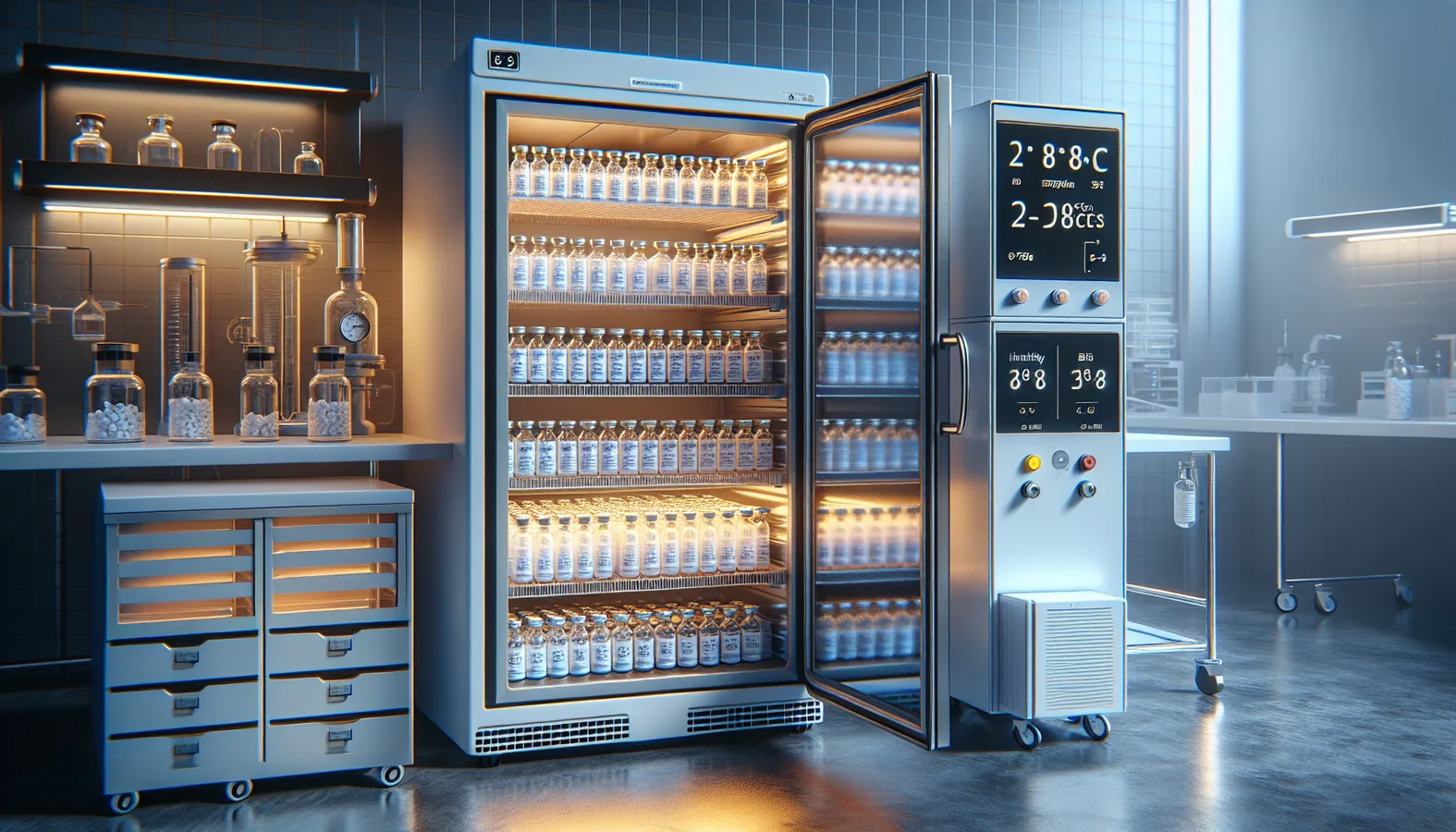
The proper storage protocol for lyophilized peptides requires careful control of multiple environmental factors. Temperature, humidity, light exposure, and air quality all play critical roles in maintaining peptide stability over time.
Temperature Requirements
Temperature control is the most critical aspect of lyophilized peptide storage. Most peptides require refrigerated storage between 2-8°C (36-46°F) for optimal stability. Some highly sensitive peptides may require freezer storage at -20°C (-4°F) or even ultra-low temperatures at -80°C (-112°F).
- Short-term storage (up to 1 month): Refrigerated at 2-8°C
- Long-term storage (6+ months): Frozen at -20°C or lower
- Ultra-sensitive peptides: -80°C freezer storage
- Avoid repeated freeze-thaw cycles
- Never store at room temperature for extended periods
Temperature fluctuations can cause condensation, leading to partial rehydration and potential degradation of lyophilized peptides.
Humidity Control
Moisture control is essential since lyophilized peptides are hygroscopic and can reabsorb water from the environment. Even minimal moisture exposure can trigger degradation reactions and reduce peptide potency.
- Store in low-humidity environments (<50% relative humidity)
- Use desiccant packets in storage containers
- Ensure airtight sealing of vials and containers
- Avoid opening containers in humid conditions
- Consider using humidity-controlled storage chambers
Light Protection
Photodegradation can significantly impact peptide stability, particularly for compounds containing aromatic amino acids like tryptophan, tyrosine, and phenylalanine. UV light and even visible light can catalyze oxidation reactions.
- Store in amber or opaque containers
- Keep storage areas dark when not in use
- Minimize light exposure during handling
- Use UV-filtering storage cabinets when possible
Storage Containers and Packaging
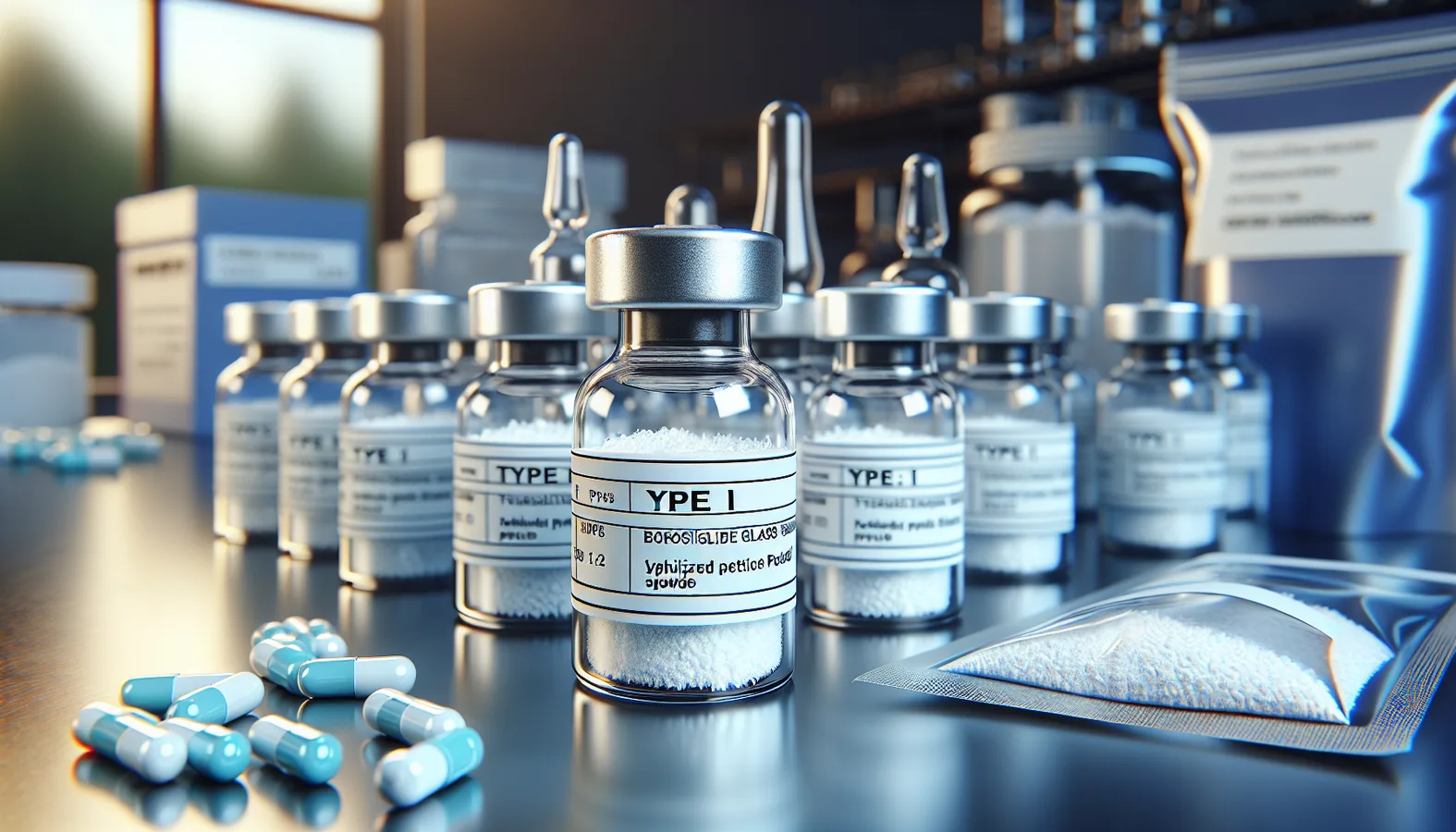
The choice of storage containers significantly impacts the longevity of lyophilized peptides. Proper packaging creates a barrier against environmental factors while maintaining the peptide's dry state.
Glass vials with rubber stoppers and aluminum crimped seals are the gold standard for peptide storage. These containers provide excellent moisture barriers and chemical inertness. Borosilicate glass is preferred over standard glass due to its superior chemical resistance and thermal stability.
- Use Type I borosilicate glass vials
- Ensure proper stopper material (butyl rubber recommended)
- Verify airtight sealing with crimped aluminum caps
- Consider nitrogen or argon flushing for oxygen-sensitive peptides
- Label containers clearly with peptide name, concentration, and storage date
Some peptides like Tirzepatide and Ipamorelin may come with specific packaging requirements due to their unique stability profiles.
Handling Protocols
Proper handling protocols are essential components of the storage protocol for lyophilized peptides. Every interaction with the peptide should minimize exposure to degrading conditions while maintaining sterility.
When retrieving peptides from storage, allow containers to reach room temperature gradually to prevent condensation. This process typically takes 15-30 minutes depending on storage temperature and container size. Never rush this equilibration process by using external heat sources.
- Allow gradual temperature equilibration before opening
- Work in clean, low-humidity environments
- Use sterile techniques when handling
- Minimize time outside of storage conditions
- Record each access for inventory management
- Return to storage immediately after use
Long-term Stability Considerations
Long-term stability of lyophilized peptides depends on consistent adherence to storage protocols and understanding of peptide-specific degradation pathways. Different peptides exhibit varying stability profiles based on their amino acid composition and structure.
Peptides containing methionine, cysteine, or tryptophan residues are particularly susceptible to oxidation and may require more stringent storage conditions. For example, CJC-1295 (No DAC) and HGH Fragment 176-191 contain amino acids that can undergo oxidative modifications under suboptimal storage conditions.
Well-stored lyophilized peptides can maintain stability for 1-3 years, but this varies significantly based on peptide structure and storage conditions.
Common Storage Mistakes to Avoid
Understanding common storage mistakes helps researchers implement better protocols and avoid peptide degradation. These errors often stem from misconceptions about lyophilized peptide stability.
- Storing at room temperature assuming lyophilization provides complete stability
- Repeated freeze-thaw cycles during access
- Opening containers without proper temperature equilibration
- Using inappropriate containers or inadequate sealing
- Ignoring humidity control in storage areas
- Failing to protect from light exposure
- Not monitoring storage conditions regularly
Even brief exposure to unfavorable conditions can initiate degradation processes that continue even after returning to proper storage.
Monitoring for Degradation

Regular monitoring helps detect early signs of peptide degradation and ensures the integrity of stored compounds. Visual inspection, analytical testing, and documentation provide comprehensive degradation monitoring.
Visual changes in lyophilized peptides can indicate degradation. Fresh lyophilized peptides typically appear as white or off-white powders with uniform texture. Color changes, clumping, or cake collapse may signal degradation or moisture exposure.
- Inspect peptides visually before each use
- Document any changes in appearance or texture
- Consider periodic analytical testing for critical applications
- Monitor storage equipment performance regularly
- Maintain detailed storage logs and access records
- Establish expiration dates based on stability data
Implementing proper storage protocols for lyophilized peptides requires attention to detail and consistent practices. By controlling temperature, humidity, light exposure, and handling procedures, researchers can maintain peptide integrity throughout their storage period. Regular monitoring and documentation ensure that any degradation is detected early, preserving the quality and reliability of research results.
Frequently Asked Questions
How long can lyophilized peptides be stored?
Properly stored lyophilized peptides (sealed, desiccated, at -20°C or below) can remain stable for years – many retain >95% of original content after 2–5 years. Stability depends on the specific sequence: peptides containing Met, Cys, Trp, or Asn are more degradation-prone and should be used within shorter timeframes.
Is room temperature storage ever acceptable?
For short periods (days to a few weeks), stable lyophilized peptides sealed with desiccant can tolerate room temperature. However, cold storage significantly extends shelf life and is always preferred. Never store reconstituted peptides at room temperature.
Why are freeze-thaw cycles harmful to peptides?
Each freeze-thaw cycle subjects peptides to ice crystal formation (which can physically damage molecules), concentration effects at the ice-liquid interface, and pH shifts in partially frozen solutions. These stresses promote aggregation, oxidation, and deamidation. Aliquoting into single-use portions eliminates this risk.
What role does desiccant play in peptide storage?
Desiccant absorbs residual moisture inside the storage container, protecting the lyophilized peptide from humidity exposure. Even sealed vials can accumulate moisture over time through headspace condensation. Replace desiccant periodically and ensure it remains active (most indicate saturation through color change).
Compounds Referenced in This Article
Explore detailed chemical profiles and research guides for compounds discussed in this article:
- BPC-157: Complete Research Guide → /learn/bpc-157
- CJC-1295: Complete Research Guide → /learn/cjc-1295-no-dac
- HGH Fragment 176-191: Complete Research Guide → /learn/hgh-fragment-176-191
- Ipamorelin: Complete Research Guide → /learn/ipamorelin
- Semaglutide: Complete Research Guide → /learn/semaglutide
- TB-500: Complete Research Guide → /learn/tb-500
- Tirzepatide: Complete Research Guide → /learn/tirzepatide
Further Reading on ChemVerify
- Read more: AI-Guided High-Throughput Screening Accelerates Antimicrobial Peptide-Mimicking Polymer Discovery → https://www.chemverify.com/learn/ai-guided-antimicrobial-peptide-polymer-discovery
- Read more: Re-Engineering Insulin for Oral Delivery: Structural Modifications and Formulation Advances → https://www.chemverify.com/learn/insulin-oral-delivery-peptide-engineering
- Read more: Cyclic Lipopeptides: Biosurfactant Peptides as Next-Generation Drug Delivery Modulators → https://www.chemverify.com/learn/cyclic-lipopeptides-drug-delivery-modulators
- Read more: Microneedle-Delivered Peptide Decoy Receptors Show Promise in Psoriasis Treatment → https://www.chemverify.com/learn/microneedle-peptide-decoy-receptors-psoriasis
- Read more: GLP-1 Receptor Agonists Demonstrate Cardiorenal Protection in Chronic Kidney Disease: Meta-Analysis → https://www.chemverify.com/learn/glp1-receptor-agonists-cardiorenal-protection-ckd
References
Compare Verified Vendors
Browse COA-verified suppliers with exclusive discount codes and transparent pricing.
You Might Also Like
Continue Reading
AI-Guided High-Throughput Screening Accelerates Antimicrobial Peptide-Mimicking Polymer Discovery
Researchers at Zhejiang University combined machine learning with automated high-throughput synthesis to efficiently discover antimicrobial polymers that mimic the action of natural antimicrobial peptides, screening over 13,000 candidates to find top performers.
Re-Engineering Insulin for Oral Delivery: Structural Modifications and Formulation Advances
A comprehensive 2026 review examines cutting-edge strategies to overcome the challenges of oral insulin delivery, including PEGylation, lipidation, cyclization, and nanocarrier technologies that enhance peptide stability and bioavailability.
Cyclic Lipopeptides: Biosurfactant Peptides as Next-Generation Drug Delivery Modulators
A 2026 review explores how cyclic lipopeptides – peptide-based biosurfactants produced via microbial fermentation – serve dual roles as both structural building blocks and bioactive compounds in advanced nanocarrier delivery systems.
Microneedle-Delivered Peptide Decoy Receptors Show Promise in Psoriasis Treatment
A 2026 study introduces engineered cell-membrane vesicles expressing IL-17RA as peptide-based decoy receptors, delivered via dissolving microneedles, demonstrating significant reduction in psoriasis severity in preclinical models.