
BPC-157: Complete Research Guide & Chemical Profile
Comprehensive guide to BPC-157 peptide research. Learn about its chemical properties, molecular structure, research applications, and verified sources.
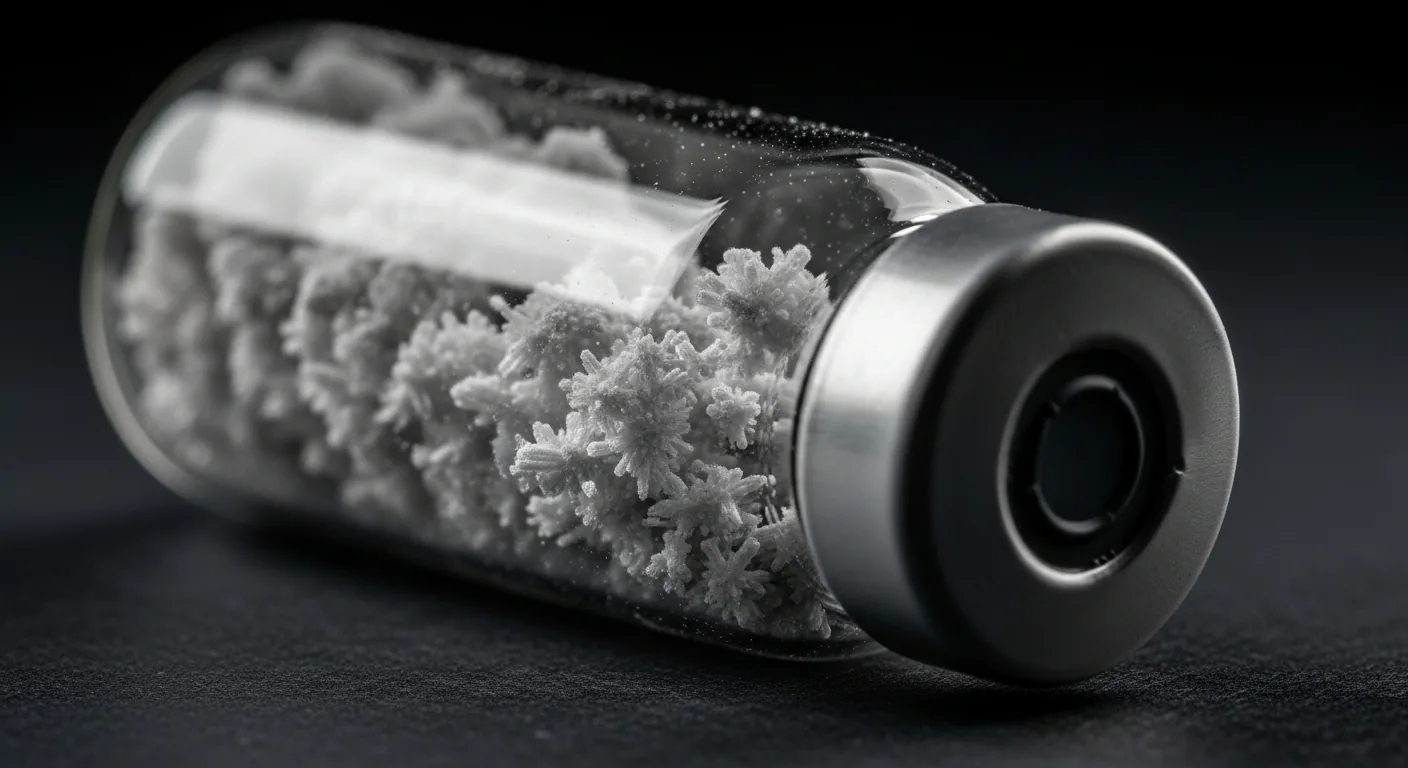
For laboratory research use only. Not for human consumption. This article is intended for educational purposes and does not constitute medical advice.
TL;DR: BPC-157 is a 15-amino-acid pentadecapeptide (MW ~1419.53 Da) derived from human gastric juice protein. Research-grade BPC-157 requires ≥95% HPLC purity with ESI-MS identity confirmation. Available as acetate or arginine salt forms with different net peptide content. Compare verified BPC-157 pricing across vendors at chemverify.com.
Last verified: March 2026 | Data accuracy confirmed by ChemVerify Editorial Team
What Is BPC-157?
BPC-157, also known as Body Protection Compound-157 or by its synonyms Bepecin, PL 14736, and PL 10, is a synthetic pentadecapeptide consisting of 15 amino acids. This research peptide has a molecular weight of 1419.5 g/mol and represents a partial sequence derived from a naturally occurring protective protein found in human gastric juice.
The amino acid sequence of BPC-157 is Gly-Glu-Pro-Pro-Pro-Gly-Lys-Pro-Ala-Asp-Asp-Ala-Gly-Leu-Val. This specific sequence was identified through research into gastroprotective mechanisms and has since become a subject of extensive laboratory investigation due to its unique structural properties and potential research applications.
Research laboratories utilize BPC-157 primarily for studies involving tissue repair mechanisms, angiogenesis processes, and cellular protection pathways. The peptide's stability and well-characterized structure make it an valuable tool for researchers investigating various biological processes.
Research Background & Key Studies
BPC-157 research originated from investigations into gastroprotective factors in the 1990s. Croatian researchers first isolated and characterized this peptide sequence from human gastric juice, leading to extensive preclinical studies examining its biological activities.
Laboratory studies have investigated BPC-157's effects on various tissue types and biological processes. Research has focused on angiogenesis, wound healing mechanisms, tendon and muscle tissue responses, and neurological tissue interactions. Studies have utilized both in vitro cell culture models and animal research models to examine these processes.
Published research suggests that BPC-157 may influence multiple signaling pathways involved in tissue repair and protection. Studies indicate potential interactions with growth factor signaling, nitric oxide pathways, and various cytokine networks, though the exact mechanisms remain subjects of ongoing investigation.
Recent research has expanded to examine BPC-157's potential effects on cardiovascular tissue, neurological systems, and bone healing processes. These studies continue to build upon the foundational research while exploring new applications in laboratory settings.
Mechanism of Action
Research suggests that BPC-157 operates through multiple molecular pathways, though its exact mechanisms of action are still being elucidated. Laboratory studies indicate that the peptide may interact with various growth factor receptors and signaling cascades involved in tissue repair and angiogenesis.
Studies have examined BPC-157's potential influence on the nitric oxide (NO) system, particularly its effects on endothelial nitric oxide synthase (eNOS) expression and activity. Research suggests this interaction may contribute to the peptide's observed effects on vascular processes in laboratory models.
Laboratory investigations have also explored BPC-157's potential interactions with the vascular endothelial growth factor (VEGF) pathway, which plays a crucial role in angiogenesis and blood vessel formation. These studies suggest the peptide may modulate VEGF expression and downstream signaling events.
Additionally, research indicates that BPC-157 may influence various cytokine networks and inflammatory pathways, potentially affecting the balance between pro-inflammatory and anti-inflammatory signaling molecules in laboratory models.
Chemical Properties
BPC-157 exhibits specific chemical characteristics that make it suitable for laboratory research applications. Understanding these properties is essential for researchers working with this peptide compound in controlled experimental conditions.
Purity Standards
Research-grade BPC-157 typically maintains purity standards of ≥99.0% as determined by high-performance liquid chromatography (HPLC) analysis. This high purity level ensures consistency and reliability in laboratory experiments and research applications.
Quality control measures for BPC-157 include mass spectrometry confirmation, amino acid analysis, and endotoxin testing. These analytical methods verify the peptide's identity, purity, and suitability for research use.
Storage & Stability
BPC-157 demonstrates relative stability under proper storage conditions. Research laboratories typically store the lyophilized peptide at -20°C to maintain long-term stability and prevent degradation.
The peptide's estimated half-life is approximately 4-6 hours, though this can vary depending on experimental conditions and buffer systems used in laboratory settings. Researchers should consider this parameter when designing experimental protocols and timing procedures.
For reconstitution, BPC-157 is typically soluble in sterile water, saline solutions, or appropriate buffer systems depending on the specific research requirements. Proper handling procedures help maintain the peptide's integrity throughout experimental procedures.
Verified Sources on ChemVerify
Researchers seeking high-quality BPC-157 for laboratory studies can access verified vendors and third-party tested batches through ChemVerify's comprehensive database. The platform provides detailed information about vendor reliability, product specifications, and analytical testing results.
ChemVerify's BPC-157 product page at /product/bpc-157 offers researchers access to verified suppliers who meet stringent quality standards. This includes vendors providing proper analytical documentation, purity certificates, and consistent product quality.
The platform's verification process ensures that researchers have access to reliable sources for their BPC-157 research needs, supporting reproducible experimental results and maintaining research integrity.
Frequently Asked Questions
**What is the molecular structure of BPC-157?**
BPC-157 is a pentadecapeptide with the amino acid sequence Gly-Glu-Pro-Pro-Pro-Gly-Lys-Pro-Ala-Asp-Asp-Ala-Gly-Leu-Val and a molecular weight of 1419.5 g/mol. It represents a stable fragment derived from a naturally occurring gastroprotective protein.
**How should BPC-157 be stored for research purposes?**
Research-grade BPC-157 should be stored as lyophilized powder at -20°C for long-term stability. Once reconstituted, the solution should be used promptly or stored according to specific experimental requirements and buffer stability characteristics.
**What research applications utilize BPC-157?**
Laboratory studies utilize BPC-157 to investigate tissue repair mechanisms, angiogenesis processes, wound healing pathways, and cellular protection systems. Research applications span cardiovascular, musculoskeletal, and neurological system studies in controlled laboratory environments.
**What purity standards apply to research-grade BPC-157?**
Research-grade BPC-157 typically maintains ≥99.0% purity as verified by HPLC analysis. Quality control includes mass spectrometry confirmation, amino acid analysis, and endotoxin testing to ensure research suitability.
**How long is BPC-157 stable in laboratory conditions?**
BPC-157 has an estimated half-life of 4-6 hours under typical laboratory conditions. The exact stability depends on factors such as temperature, pH, buffer composition, and storage conditions used in specific experimental protocols.
**What analytical methods verify BPC-157 identity and purity?**
Standard analytical methods include HPLC for purity determination, mass spectrometry for molecular weight confirmation, amino acid analysis for sequence verification, and endotoxin testing for research safety. These methods ensure proper identification and quality control for laboratory use.
Frequently Asked Questions
Compounds Referenced in This Article
Explore detailed chemical profiles and research guides for compounds discussed in this article:
Further Reading on ChemVerify
- Read more: RFK Jr. Signals Reversal of Peptide Ban: 14 of 19 Restricted Compounds May Return → https://www.chemverify.com/learn/rfk-jr-signals-reversal-of-peptide-ban-14-of-19-restricted-compounds-may-return
- Read more: AI-Guided High-Throughput Screening Accelerates Antimicrobial Peptide-Mimicking Polymer Discovery → https://www.chemverify.com/learn/ai-guided-antimicrobial-peptide-polymer-discovery
- Read more: Re-Engineering Insulin for Oral Delivery: Structural Modifications and Formulation Advances → https://www.chemverify.com/learn/insulin-oral-delivery-peptide-engineering
- Read more: Cyclic Lipopeptides: Biosurfactant Peptides as Next-Generation Drug Delivery Modulators → https://www.chemverify.com/learn/cyclic-lipopeptides-drug-delivery-modulators
- Read more: Microneedle-Delivered Peptide Decoy Receptors Show Promise in Psoriasis Treatment → https://www.chemverify.com/learn/microneedle-peptide-decoy-receptors-psoriasis
References
Compare Verified Vendors
Browse COA-verified suppliers with exclusive discount codes and transparent pricing.
You Might Also Like
Continue Reading
RFK Jr. Signals Reversal of Peptide Ban: 14 of 19 Restricted Compounds May Return
Health Secretary RFK Jr. announces potential reversal of FDA peptide restrictions, with 14 compounds possibly returning to legal compounding pharmacies within weeks.
AI-Guided High-Throughput Screening Accelerates Antimicrobial Peptide-Mimicking Polymer Discovery
Researchers at Zhejiang University combined machine learning with automated high-throughput synthesis to efficiently discover antimicrobial polymers that mimic the action of natural antimicrobial peptides, screening over 13,000 candidates to find top performers.
BPC-157 at Bio BoostX: Price, Purity & Verification
BPC-157 from Bio BoostX – EUR 69.95/20mg, COA verified.
Re-Engineering Insulin for Oral Delivery: Structural Modifications and Formulation Advances
A comprehensive 2026 review examines cutting-edge strategies to overcome the challenges of oral insulin delivery, including PEGylation, lipidation, cyclization, and nanocarrier technologies that enhance peptide stability and bioavailability.