
Cerebrolysin: Complete Research Guide & Chemical Profile
Complete research guide to Cerebrolysin, a porcine brain-derived peptide preparation containing ~25% low-MW peptides and ~75% free amino acids. Covers neuroprotection, TBI/stroke research, and neurotrophic mechanisms.
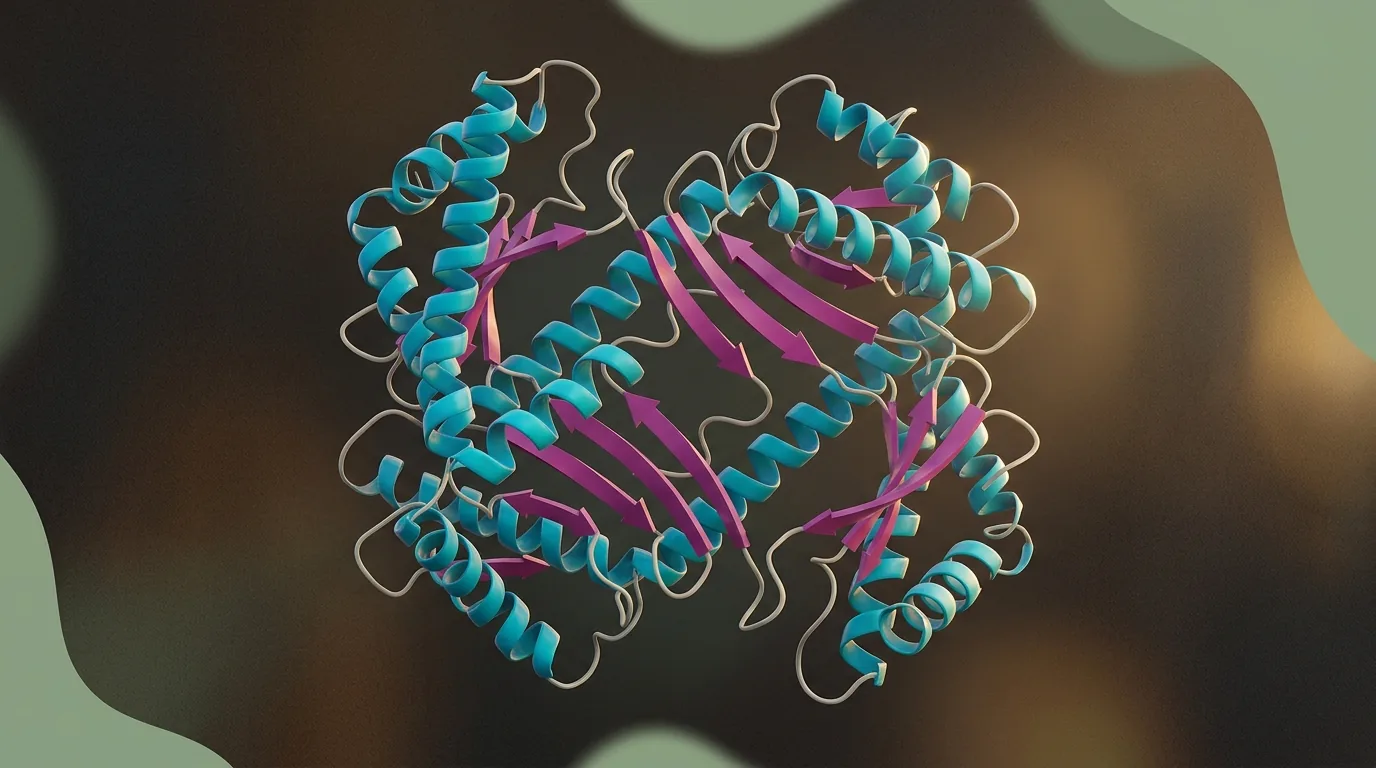
For laboratory research use only. Not for human consumption.
TL;DR: Cerebrolysin (FPF-1070) is a standardized porcine brain-derived peptide preparation composed of approximately 25% low-molecular-weight peptides (<10 kDa) and 75% free amino acids. It mimics the activity of endogenous neurotrophic factors and has been investigated in preclinical and clinical research on stroke, traumatic brain injury, and neurodegenerative conditions. This guide covers its composition, neurotrophic mechanisms, and key research findings.
Last verified: April 2026 | Data accuracy confirmed by ChemVerify Editorial Team
Composition & Manufacturing Overview
Cerebrolysin (developmental code FPF-1070) is a standardized aqueous preparation derived from porcine brain tissue through a proprietary biotechnological process involving enzymatic proteolysis and ultrafiltration. The manufacturing process, developed by EVER Neuro Pharma GmbH (formerly Ebewe Pharma), converts brain-derived proteins into a defined mixture of low-molecular-weight peptides and free amino acids. The final product contains approximately 25% peptides with molecular weights below 10 kilodaltons and 75% free amino acids by mass.
Unlike single-compound peptide therapeutics, Cerebrolysin represents a complex biological mixture containing hundreds of individual peptide species. The manufacturing process is controlled to ensure batch-to-batch consistency in total peptide content, amino acid composition, and biological activity as measured by standardized bioassays. Each production batch undergoes characterization by HPLC peptide mapping, amino acid analysis, and neurotrophic activity testing to verify conformance to defined specifications.
The rationale for the multi-peptide approach is based on the principle that neurotrophic support in the brain involves the coordinated action of multiple growth factors and signaling molecules. By providing a mixture of biologically active peptide fragments derived from brain tissue, Cerebrolysin is designed to engage multiple neuroprotective and neurotrophic pathways simultaneously, potentially achieving broader effects than any single neurotrophic factor.
- Composition: ~25% peptides (<10 kDa) + ~75% free amino acids
- Source: Porcine (pig) brain tissue
- Manufacturing: Enzymatic proteolysis + ultrafiltration
- Protein concentration: 215.2 mg/mL total nitrogen-containing components
- Key amino acids: Alanine, leucine, lysine, glutamic acid (most abundant)
- Batch consistency: Verified by HPLC peptide mapping and bioassay
- Developer: EVER Neuro Pharma GmbH (Austria)
- Form: Aqueous solution for parenteral administration
Peptide Fraction Characterization
Proteomic analysis of Cerebrolysin using mass spectrometry and two-dimensional gel electrophoresis has identified peptide fragments derived from multiple brain-specific proteins. These include fragments of neurotrophins (brain-derived neurotrophic factor, nerve growth factor, glial cell line-derived neurotrophic factor family members), structural brain proteins (tubulin, neurofilament proteins, myelin basic protein), and metabolic enzymes specific to neural tissue.
The biologically active peptide fraction has been shown to contain sequences with structural homology to the active domains of several established neurotrophic factors. These peptide fragments, while too small to bind neurotrophic factor receptors with the full affinity of intact proteins, are proposed to activate downstream signaling elements shared by multiple neurotrophic pathways. This concept of neurotrophic mimicry through peptide fragments is central to the proposed mechanism of action.
Size-exclusion chromatography reveals a molecular weight distribution within the peptide fraction spanning approximately 500 to 10,000 Da, with the majority of peptides clustering in the 1,000-5,000 Da range. Peptides below 500 Da overlap with larger amino acid derivatives and dipeptides. The deliberate exclusion of proteins above 10 kDa through ultrafiltration is designed to prevent immunogenic reactions that could occur with intact foreign proteins.
Neurotrophic Mechanisms of Action
Research into the mechanisms of Cerebrolysin has identified engagement with multiple neurotrophic signaling pathways. In vitro studies using neuronal cell cultures have demonstrated that Cerebrolysin activates the PI3K/Akt survival pathway, the Ras/MAPK/ERK proliferation and differentiation pathway, and the Sonic hedgehog (Shh) signaling pathway. These pathways converge on transcription factors including CREB (cAMP response element-binding protein) that regulate expression of neurotrophic and neuroprotective genes.
Cerebrolysin has been shown to modulate the expression of endogenous neurotrophic factors. Treatment upregulates brain-derived neurotrophic factor (BDNF) and glial cell line-derived neurotrophic factor (GDNF) expression in neuronal and glial cells, suggesting an indirect neurotrophic amplification mechanism. Additionally, Cerebrolysin promotes expression of the anti-apoptotic protein Bcl-2 while suppressing the pro-apoptotic factor Bax, shifting the cellular balance toward survival under stress conditions.
At the synaptic level, Cerebrolysin enhances synaptic plasticity through modulation of glutamate receptor expression and trafficking. Specifically, it promotes surface expression of AMPA receptors (GluA1 and GluA2 subunits) and facilitates NMDA receptor-dependent long-term potentiation in hippocampal slice preparations. These effects on excitatory synaptic transmission provide a mechanistic basis for the observed improvements in learning and memory in preclinical behavioral studies.
Stroke & Ischemia Research
Cerebrolysin has been extensively investigated in preclinical models of cerebral ischemia. In middle cerebral artery occlusion (MCAO) models in rodents, Cerebrolysin administration reduced infarct volume, decreased neuronal apoptosis in the peri-infarct penumbra, and improved functional outcomes on neurological deficit scoring. The neuroprotective effects were observed with both pre-treatment (preconditioning) and post-ischemic treatment paradigms, with a therapeutic window extending to several hours after ischemia onset.
The anti-ischemic mechanisms involve multiple pathways: reduction of excitotoxic glutamate release, stabilization of intracellular calcium homeostasis, suppression of oxidative stress through upregulation of endogenous antioxidant enzymes (superoxide dismutase, glutathione peroxidase), and inhibition of the mitochondrial apoptosis cascade. Cerebrolysin also attenuates post-ischemic inflammation by reducing microglial activation and suppressing the expression of pro-inflammatory cytokines including TNF-alpha, IL-1beta, and IL-6 in the ischemic hemisphere.
Clinical research on Cerebrolysin in stroke has included multiple randomized controlled trials. The CASTA (Cerebrolysin in Patients with Acute Ischemic Stroke in Asia) trial and subsequent studies have evaluated safety, tolerability, and functional outcomes. Results have been mixed, with some studies reporting improvements in functional recovery scores and others showing no significant difference from placebo on primary endpoints. The heterogeneity of clinical results has been attributed to differences in stroke severity, treatment timing, and outcome measure sensitivity.
Traumatic Brain Injury Research
Traumatic brain injury (TBI) represents another major area of Cerebrolysin investigation. In controlled cortical impact (CCI) and fluid percussion injury (FPI) models, Cerebrolysin treatment reduced contusion volume, decreased blood-brain barrier disruption, attenuated cerebral edema, and improved performance on cognitive tasks including Morris water maze and novel object recognition. The effects were most pronounced when treatment was initiated within the first hours after injury.
The CAPTAIN (Cerebrolysin and Recovery After Traumatic Brain Injury) trial and related clinical studies examined Cerebrolysin effects on cognitive recovery following moderate to severe TBI. Biomarker analyses from these trials demonstrated that Cerebrolysin treatment was associated with reduced serum levels of neurofilament light chain (NfL) and S100B, both established markers of neuronal and astroglial injury, suggesting a neuroprotective effect measurable through peripheral blood biomarkers.
An important aspect of the TBI research program is the investigation of neurogenesis. Preclinical studies demonstrated that Cerebrolysin stimulates proliferation and differentiation of neural stem/progenitor cells in the subventricular zone (SVZ) and dentate gyrus of the hippocampus following TBI. These newborn neurons migrate toward the injury site and integrate into existing circuits, representing a potential mechanism for structural brain repair beyond simple neuroprotection.
Neurodegenerative Disease Research
Cerebrolysin has been investigated in research models of Alzheimer disease, where it demonstrated effects on multiple pathological hallmarks. In transgenic mouse models expressing human amyloid precursor protein (APP), Cerebrolysin treatment reduced amyloid-beta plaque burden, decreased phosphorylated tau levels, and improved behavioral performance on memory tasks. The anti-amyloid effect appears to involve both reduced APP processing through the amyloidogenic pathway and enhanced amyloid-beta clearance.
The synaptic preservation effects of Cerebrolysin are particularly relevant to Alzheimer research, as synaptic loss is the strongest pathological correlate of cognitive decline. In APP transgenic mice, Cerebrolysin treatment preserved synaptophysin and MAP-2 immunoreactivity (markers of presynaptic terminals and dendritic integrity respectively) in hippocampal and cortical regions. These synapto-protective effects may operate independently of amyloid-beta reduction, providing a dual mechanism of action.
Clinical trials in Alzheimer disease have shown variable results. Some randomized controlled trials reported modest improvements on cognitive scales (ADAS-cog) and global clinical impression ratings, while others found no significant benefit on primary endpoints. Meta-analyses have generally concluded that Cerebrolysin shows a favorable safety profile with suggestive but not definitive evidence of cognitive benefit, underscoring the need for larger, well-powered confirmatory studies.
Neuroplasticity & Synaptic Remodeling
Cerebrolysin promotes structural neuroplasticity through multiple mechanisms. In neuronal cell cultures, it stimulates neurite outgrowth (both axonal and dendritic extension), increases dendritic branching complexity, and promotes the formation and maturation of dendritic spines. These morphological changes are accompanied by increased expression of synaptic proteins including synaptophysin, PSD-95, and SNAP-25, indicating formation of new functional synaptic contacts.
In vivo studies have demonstrated that Cerebrolysin enhances experience-dependent plasticity. In rodent models of enriched environment exposure or motor skill training, Cerebrolysin-treated animals showed greater structural plasticity (as measured by Golgi staining of dendritic architecture) and more rapid behavioral improvement compared to vehicle-treated controls. This suggests that Cerebrolysin lowers the threshold for activity-dependent synaptic remodeling.
The neuroplasticity effects involve modulation of the extracellular matrix (ECM), particularly through regulation of matrix metalloproteinase (MMP) activity and perineuronal net (PNN) remodeling. Cerebrolysin treatment in stroke models reduced the density of PNNs – specialized ECM structures that restrict synaptic plasticity in mature circuits – around peri-infarct neurons, potentially re-opening a window for adaptive synaptic reorganization analogous to critical period plasticity during development.
Safety Pharmacology & Tolerability Data
Preclinical toxicology studies on Cerebrolysin have demonstrated a favorable safety profile across multiple animal species. Acute toxicity studies in rodents established a high lethal dose (LD50) relative to proposed experimental doses, with no target organ toxicity observed in standard battery assessments. Chronic administration studies (up to 6 months in rats and dogs) showed no evidence of cumulative toxicity, carcinogenicity, or teratogenicity at doses many-fold above those used in research.
Because Cerebrolysin is derived from porcine biological material, immunogenicity assessment is an important safety consideration. Extensive testing has confirmed that the ultrafiltration step effectively removes proteins above 10 kDa, eliminating the major immunogenic components. Antibody formation against Cerebrolysin components has not been detected in chronic administration studies or long-term clinical use, consistent with the low immunogenic potential of small peptides and free amino acids.
Reported adverse effects in clinical research have been generally mild and transient. The most commonly observed events include injection site reactions, headache, dizziness, and nausea. These occur at frequencies comparable to placebo in controlled studies. No significant hepatotoxicity, nephrotoxicity, or hematological abnormalities have been attributed to Cerebrolysin across the available clinical evidence base spanning several decades of investigation.
Analytical Characterization & Quality Control
Quality control of Cerebrolysin presents unique challenges due to its complex multi-component nature. Batch release testing includes total nitrogen content (Kjeldahl method), amino acid composition by ion-exchange chromatography, HPLC peptide mapping (fingerprint chromatogram comparison to reference standard), size-exclusion chromatography to verify the molecular weight distribution, and endotoxin testing by LAL assay.
The HPLC peptide map serves as the primary identity and consistency test. Each batch is compared against a validated reference standard chromatogram using pattern-matching algorithms that evaluate peak position, relative intensity, and overall profile similarity. The acceptance criterion requires correlation coefficients above a defined threshold across multiple chromatographic regions. This approach provides a holistic measure of batch consistency that captures the complexity of the peptide mixture.
For researchers working with Cerebrolysin, independent quality verification can be performed using UV spectrophotometry (absorbance at 280 nm for aromatic amino acids and peptides), total protein assays (Bradford or BCA), and SDS-PAGE to confirm the absence of high-molecular-weight protein contaminants above 10 kDa. Mass spectrometric profiling (LC-MS/MS) provides the most detailed characterization of the peptide composition for research purposes.
References & Further Reading
The following publications represent key research on Cerebrolysin across its major investigational areas. Researchers are directed to these primary sources for experimental protocols and detailed data.
Further Reading on ChemVerify
- Read more: TRH (Thyrotropin-Releasing Hormone): Research Guide & Chemical Profile → https://www.chemverify.com/learn/trh-thyrotropin-releasing-hormone-research-guide
- Read more: Ipamorelin + CJC-1295 (No DAC) Stack: Synergy Research Guide → https://www.chemverify.com/learn/ipamorelin-cjc-1295-no-dac-stack-synergy
- Read more: TP508 (Chrysalin): Research Guide & Chemical Profile → https://www.chemverify.com/learn/tp508-chrysalin-research-guide-chemical-profile
- Read more: Semax for Cognitive Research: ACTH(4-10) Analog Mechanism → https://www.chemverify.com/learn/semax-cognitive-research-acth-mechanism
References
Compare Verified Vendors
Browse COA-verified suppliers with exclusive discount codes and transparent pricing.
You Might Also Like
Continue Reading
Ipamorelin + CJC-1295 (No DAC) Stack: Synergy Research Guide
Research guide to the Ipamorelin + CJC-1295 No DAC growth hormone stack: GHRH-GHRP synergy mechanism, GH pulse amplification, timing protocols, and reconstitution guidance.
Semax for Cognitive Research: ACTH(4-10) Analog Mechanism
Semax mechanism of action: ACTH(4-10) fragment with Pro-Gly-Pro modification, BDNF and NGF upregulation, BBB penetration, nasal delivery, and Russian clinical research history.
TRH (Thyrotropin-Releasing Hormone): Research Guide & Chemical Profile
TRH (pGlu-His-Pro-NH2) is a hypothalamic tripeptide releasing TSH and prolactin. MW 362.38, neuroprotective research, and neuroendocrine signaling reviewed.
TP508 (Chrysalin): Research Guide & Chemical Profile
TP508 (Chrysalin) is a 23-amino-acid thrombin receptor binding domain peptide with FDA orphan drug status for fracture healing. Bone repair and angiogenesis research.