
Lyophilized Peptide Handling: Best Practices for Research Applications
Complete guide to lyophilized peptide handling techniques, storage requirements, and reconstitution protocols for optimal research outcomes and peptide stability.
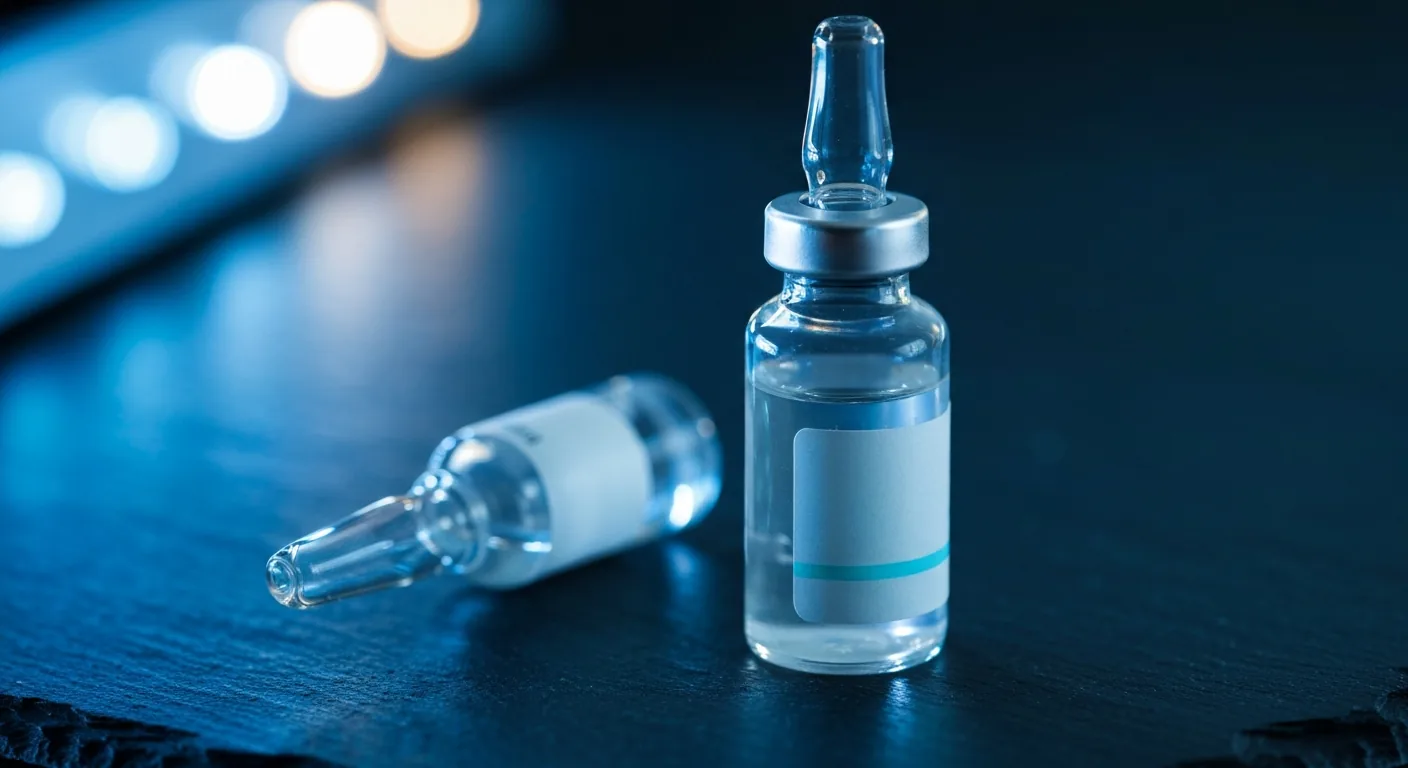
Lyophilized peptide handling requires precise technique and attention to environmental conditions to maintain peptide integrity. Improper handling can lead to degradation, contamination, or loss of biological activity. This page covers protocols for handling lyophilized peptides in research applications.
TL;DR: Lyophilized (freeze-dried) peptides are the most stable form for storage and shipping. Proper handling requires equilibrating vials to room temperature before opening (to prevent moisture absorption), using clean spatulas or weighing directly, and reconstituting with the appropriate solvent. Minimizing moisture exposure is the single most important factor in preserving lyophilized peptide quality.
Last verified: March 2026 | Data accuracy confirmed by ChemVerify Editorial Team
Understanding Lyophilized Peptides
Lyophilization, or freeze-drying, removes water content from peptides while preserving their structural integrity. This process creates a stable, powder-like substance that extends shelf life and facilitates storage. Lyophilized peptides are particularly sensitive to moisture, temperature fluctuations, and physical disturbances.
The lyophilization process typically removes 95-99% of water content, leaving behind a porous matrix that can be easily reconstituted. However, this same porosity makes the peptide vulnerable to environmental factors that can compromise its stability and efficacy.
Lyophilized peptides maintain their potency for extended periods when stored properly, making them the preferred form for research applications requiring long-term storage.
Essential Equipment for Peptide Handling
Successful lyophilized peptide handling requires specific equipment to maintain sterile conditions and prevent contamination. Essential tools include sterile needles, syringes, and vials for reconstitution procedures.
- Analytical balance with 0.1mg precision for accurate measurements
- Sterile needles (typically 25-27 gauge) for vial access
- Sterile syringes for solvent addition and peptide withdrawal
- Laminar flow hood or clean bench for sterile working environment
- Temperature-controlled storage units (-20°C to -80°C)
- Desiccant packets or humidity control systems
- Micropipettes with sterile tips for precise volume measurements
Additionally, personal protective equipment including gloves, lab coats, and safety glasses should always be used when handling lyophilized peptides to ensure both researcher safety and peptide integrity.
Proper Storage Conditions
Storage conditions significantly impact the stability and longevity of lyophilized peptides. Temperature, humidity, and light exposure are critical factors that must be carefully controlled throughout the storage period.
Most lyophilized peptides should be stored at -20°C or lower in a dry environment with humidity levels below 5%. Exposure to room temperature should be minimized, and peptides should never be subjected to freeze-thaw cycles once reconstituted.
Never store lyophilized peptides in frost-free freezers, as the automatic defrost cycles can cause temperature fluctuations that may degrade peptide quality.
- Store at -20°C to -80°C in original sealed vials
- Maintain low humidity environment (≤5% relative humidity)
- Protect from direct light using amber vials or dark storage areas
- Use desiccant packets to absorb residual moisture
- Label vials with storage dates and handling information
- Keep storage logs to track temperature fluctuations
Reconstitution Protocols
Proper reconstitution is crucial for lyophilized peptide handling success. The reconstitution process involves dissolving the freeze-dried peptide in an appropriate solvent to create a solution suitable for research applications.
Choosing Appropriate Solvents
Solvent selection depends on the specific peptide's chemical properties and intended use. Common solvents include sterile water, bacteriostatic water, saline solutions, and buffer systems. Bacteriostatic water is often preferred for peptides requiring multiple withdrawals due to its antimicrobial properties.
- Sterile water for single-use applications
- Bacteriostatic water for multi-dose preparations
- 0.9% saline for physiological compatibility
- Buffered solutions for pH-sensitive peptides
- Acetic acid solutions for basic peptides
- DMSO for hydrophobic peptides (research use only)
Step-by-Step Reconstitution Process
The reconstitution process requires careful technique to prevent peptide degradation and ensure complete dissolution. Follow these steps for optimal results in lyophilized peptide handling.
- Allow lyophilized peptide to reach room temperature (10-15 minutes)
- Calculate required solvent volume based on desired concentration
- Clean vial rubber stopper with alcohol before needle insertion
- Add solvent slowly down the vial wall to minimize foaming
- Gently swirl or roll the vial to promote dissolution
- Avoid vigorous shaking or vortexing which can denature peptides
- Allow complete dissolution before use (may take 2-5 minutes)
- Verify solution clarity and absence of visible particles
Some peptides may require gentle warming (up to 37°C) or pH adjustment to achieve complete dissolution. Always consult peptide-specific handling instructions.
Critical Handling Precautions
Lyophilized peptide handling demands strict adherence to safety protocols and contamination prevention measures. These precautions protect both the researcher and the peptide's integrity throughout the handling process.
Always work in a controlled environment with minimal air currents and dust. Use sterile techniques throughout all handling procedures, and never touch vial contents directly with hands or non-sterile instruments.
- Work within laminar flow hood when possible
- Use sterile technique for all manipulations
- Minimize exposure time to ambient conditions
- Avoid creating aerosols during reconstitution
- Never refreeze reconstituted peptide solutions
- Discard any solutions showing signs of precipitation or cloudiness
- Document all handling procedures and storage conditions
Contamination Prevention Strategies
Preventing contamination is paramount in lyophilized peptide handling. Bacterial, fungal, or chemical contamination can render peptides unusable and potentially dangerous for research applications.
Implement multiple barriers against contamination including environmental controls, sterile technique, and appropriate preservatives. Regular monitoring and quality checks help identify potential contamination early.
- Use only sterile solvents and equipment
- Implement proper hand hygiene and protective equipment
- Maintain clean work surfaces with appropriate disinfectants
- Store reconstituted peptides in sterile containers
- Use bacteriostatic water for multi-dose preparations
- Implement proper waste disposal procedures
- Conduct regular environmental monitoring of work areas
Contaminated peptide solutions can produce false results in research applications and may pose health risks. Always discard any solutions suspected of contamination.
Quality Control Measures
Implementing quality control measures ensures consistent results in lyophilized peptide handling. Regular assessment of peptide quality helps identify potential issues before they affect research outcomes.
Quality control should include visual inspection, pH measurement, and biological activity assessment where applicable. Maintaining detailed records of all handling procedures facilitates troubleshooting and ensures reproducibility.
- Conduct visual inspection for color changes or precipitation
- Measure pH of reconstituted solutions when applicable
- Monitor storage temperatures continuously
- Test biological activity periodically
- Maintain chain of custody documentation
- Implement batch tracking systems
- Establish acceptance criteria for peptide quality
Troubleshooting Common Issues
Despite careful attention to lyophilized peptide handling protocols, researchers may encounter various issues during reconstitution or storage. Understanding common problems and their solutions helps maintain research continuity.
Common issues include incomplete dissolution, precipitation formation, pH-related problems, and stability concerns. Most problems can be resolved through proper technique adjustment or environmental modifications.
- Incomplete dissolution: Try gentle warming or pH adjustment
- Precipitation: Check solvent compatibility and storage conditions
- Foaming during reconstitution: Add solvent more slowly, avoid shaking
- pH drift: Use appropriate buffer systems for sensitive peptides
- Reduced potency: Evaluate storage conditions and handling procedures
- Contamination: Review sterile technique and environmental controls
- Aggregation: Assess peptide concentration and storage temperature
When troubleshooting peptide handling issues, always prioritize safety and consider consulting with peptide manufacturers or experienced researchers for guidance.
Handling lyophilized peptides reliably depends on equipment, technique and documentation. Requirements differ between peptides, so the supplier's handling instructions take precedence over the general protocols above.
Frequently Asked Questions
Why must I let lyophilized peptides reach room temperature before opening?
Cold vials opened in ambient air cause condensation on the inner walls and peptide powder. This moisture exposure accelerates degradation, promotes aggregation, and makes accurate weighing difficult. Allow vials to equilibrate for 20–30 minutes at room temperature while still sealed before opening.
How should I weigh out a portion of lyophilized peptide?
Use a calibrated analytical balance and a clean, dry, anti-static spatula. Avoid metal spatulas that may introduce contaminants. Work quickly to minimize atmospheric moisture exposure, and reseal the vial immediately with parafilm and desiccant after removing your portion.
What does a degraded lyophilized peptide look like?
Fresh lyophilized peptides typically appear as a white to off-white fluffy powder or cake. Signs of degradation include yellowing or discoloration, clumping or tackiness (indicating moisture absorption), a shrunken or collapsed cake, and difficulty dissolving in the expected solvent system.
Can I re-lyophilize a reconstituted peptide?
Yes, if the peptide is dissolved in a volatile solvent system (water, dilute acetic acid, or acetonitrile/water). Freeze the solution at -80°C and lyophilize under vacuum. Note that some peptides may not recover full activity after a reconstitution-relyophilization cycle, so test before relying on this approach for critical samples.
Compounds Referenced in This Article
Explore detailed chemical profiles and research guides for compounds discussed in this article:
- Bacteriostatic Water: Complete Research Guide → /learn/bacteriostatic-water
Further Reading on ChemVerify
- Read more: Peptide Degradation Stability: Complete Guide for Research Applications → https://www.chemverify.com/learn/peptide-degradation-stability-complete-guide-for-research-applications
- Read more: Peptide Storage Guidelines: Best Practices for Research Compounds → https://www.chemverify.com/learn/peptide-storage-guidelines-best-practices-for-research-compounds
- Read more: Complete Peptide Solubility Guide: Solutions for Research Success → https://www.chemverify.com/learn/complete-peptide-solubility-guide-solutions-for-research-success
- Read more: Bacteriostatic Water for Peptides: Complete Guide to Safe Reconstitution → https://www.chemverify.com/learn/bacteriostatic-water-for-peptides-complete-guide-to-safe-reconstitution
- Read more: Complete Peptide Reconstitution Guide: Step-by-Step Process → https://www.chemverify.com/learn/complete-peptide-reconstitution-guide-step-by-step-process
References
Compare Verified Vendors
Browse COA-verified suppliers with exclusive discount codes and transparent pricing.
You Might Also Like
Continue Reading
How to Store Reconstituted Peptides: Temperature, Light, and Duration Guide
Complete laboratory guide to reconstituted peptide storage: optimal temperature ranges, light protection protocols, solvent selection, freeze-thaw cycle limits, and stability timelines by peptide class.
Peptide Degradation Stability: Complete Guide for Research Applications
Comprehensive guide to peptide degradation stability factors, mechanisms, and prevention strategies for research applications. Learn storage, handling tips.
Peptide Storage Guidelines: Best Practices for Research Compounds
Essential peptide storage guidelines for researchers. Learn proper temperature, humidity, and container requirements to maintain peptide stability and integrity.
Complete Peptide Solubility Guide: Solutions for Research Success
Master peptide solubility with our comprehensive guide. Learn proper solvents, pH optimization, and troubleshooting techniques for research applications.