
Bacteriostatic Water for Peptides: Complete Guide to Safe Reconstitution
Learn how bacteriostatic water ensures safe peptide reconstitution. Complete guide covering storage, sterility, usage protocols, and best practices for research.
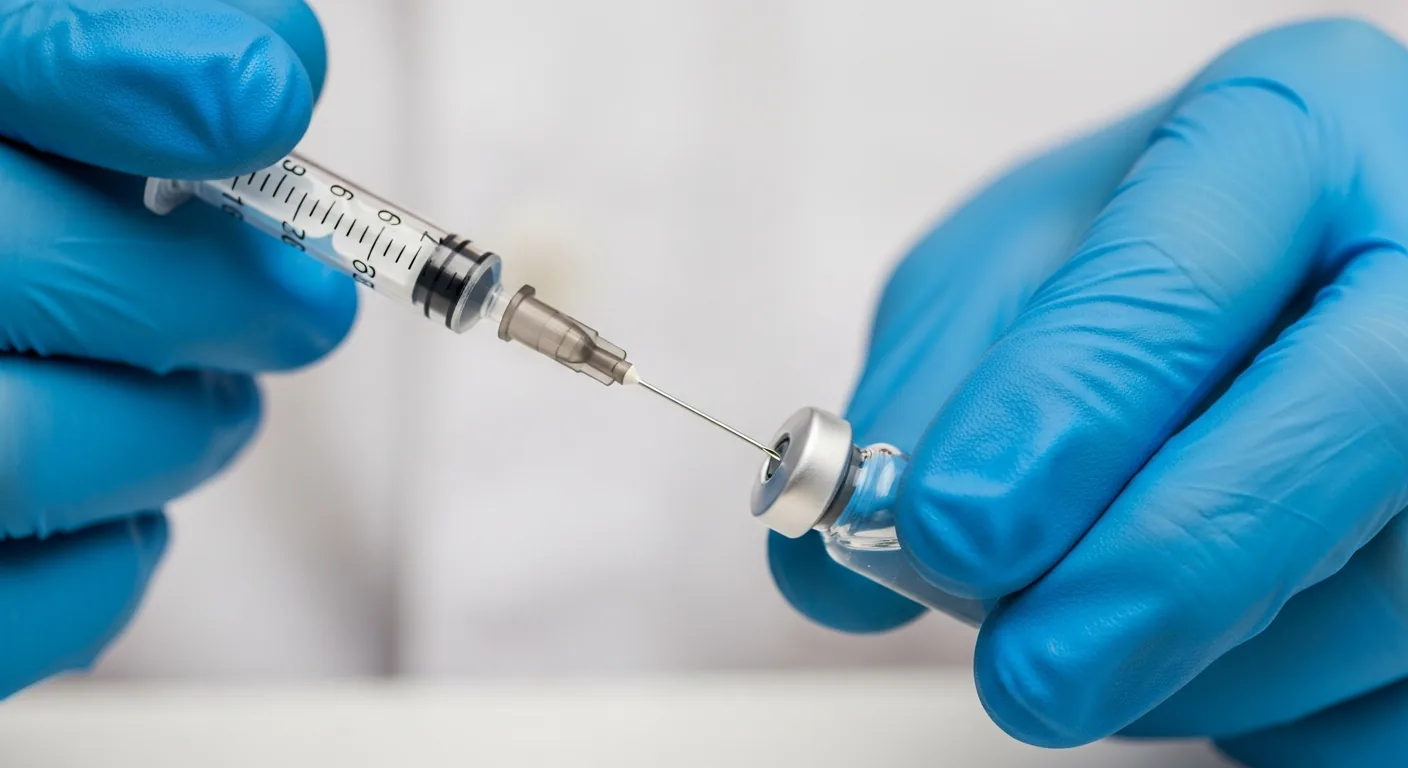
Bacteriostatic water for peptides serves as the gold standard for reconstituting lyophilized peptide compounds in research applications. This specialized sterile water contains benzyl alcohol as a preservative, preventing bacterial growth while maintaining the integrity of delicate peptide structures. Understanding proper usage of bacteriostatic water is crucial for researchers working with peptides like BPC-157, TB-500, and growth hormone-releasing peptides.
TL;DR: Bacteriostatic water (BAC water) contains 0.9% benzyl alcohol as a preservative, making it the preferred solvent for reconstituting lyophilized peptides intended for multi-use over several days. It inhibits microbial growth in reconstituted solutions, extending usable life compared to sterile water. Proper storage and handling protocols are critical for maintaining solution integrity.
Last verified: March 2026 | Data accuracy confirmed by ChemVerify Editorial Team
What Is Bacteriostatic Water?
Bacteriostatic water is sterile water for injection containing 0.9% benzyl alcohol as a bacteriostatic preservative. Unlike regular sterile water, it inhibits the growth of most common non-spore forming bacteria, making it ideal for multiple-use applications in research settings.
The benzyl alcohol preservative allows bacteriostatic water to maintain sterility for up to 28 days after first opening when stored properly. This extended stability makes it particularly valuable for peptide research where multiple reconstitutions may be needed over time.
Research Use Only: Bacteriostatic water discussed in this article is intended solely for laboratory research purposes and not for human consumption or therapeutic use.
Why Use Bacteriostatic Water for Peptides?
Peptides are highly sensitive biomolecules that require careful handling to maintain their structural integrity and biological activity. Bacteriostatic water provides several key advantages for peptide reconstitution in research applications.
- Prevents bacterial contamination during storage periods
- Maintains peptide stability and potency
- Allows for controlled, precise reconstitution volumes
- Reduces waste through extended storage capability
- Provides consistent pH and osmolality conditions
Research has shown that peptides reconstituted with bacteriostatic water maintain higher stability compared to those mixed with regular sterile water, particularly during extended storage periods at refrigerated temperatures.
Composition and Properties
High-quality bacteriostatic water contains precisely controlled components that ensure optimal peptide reconstitution conditions. The standard formulation includes sterile water for injection USP and 0.9% benzyl alcohol USP as the bacteriostatic agent.
- pH range: 4.5-7.0 (typically around 5.7)
- Osmolality: <5 mOsmol/kg
- Benzyl alcohol concentration: 0.9% w/v
- Endotoxin levels: <0.5 EU/mL
- Sterility: Meets USP requirements
Sterile Water vs Bacteriostatic Water
While both sterile water and bacteriostatic water serve reconstitution purposes, they differ significantly in their preservation capabilities and intended applications. Sterile water lacks preservatives and must be used immediately after opening, while bacteriostatic water remains stable for weeks.
For single-use applications, sterile water may suffice, but bacteriostatic water provides superior convenience and safety margins for research protocols requiring multiple doses or extended storage periods.
Peptide Reconstitution Protocols
Proper reconstitution technique is critical for maintaining peptide integrity and ensuring accurate dosing in research applications. The process requires attention to sterile technique, temperature control, and gentle mixing methods to prevent peptide degradation.
Always allow bacteriostatic water to reach room temperature before reconstitution to prevent thermal shock to sensitive peptide structures.
Step-by-Step Reconstitution Process
- Clean work surface with 70% isopropyl alcohol
- Remove caps from bacteriostatic water and peptide vials using sterile technique
- Draw appropriate volume of bacteriostatic water using sterile syringe
- Inject water slowly down the side of the peptide vial, avoiding direct contact with powder
- Allow natural dissolution without shaking or vigorous agitation
- Gently swirl if needed to complete dissolution
- Inspect solution for clarity and absence of particulates
- Label with reconstitution date and concentration
The reconstitution volume depends on the desired final concentration and the specific peptide being prepared. Common ratios range from 1:1 to 1:3 (peptide weight to water volume) depending on solubility characteristics.
Storage and Stability Guidelines
Proper storage of both unreconstituted bacteriostatic water and reconstituted peptide solutions is essential for maintaining stability and preventing contamination. Temperature control and sterile handling practices directly impact peptide viability.
- Store unopened bacteriostatic water at room temperature (15-25°C)
- Refrigerate opened vials at 2-8°C
- Use within 28 days of first opening
- Store reconstituted peptides at 2-8°C
- Protect from light using amber vials or aluminum foil
- Avoid freeze-thaw cycles which can damage peptide structures
Some peptides like Semaglutide and Tirzepatide may require specific storage conditions that differ from general guidelines. Always consult peptide-specific protocols.
Peptide-Specific Considerations
Different peptides may require specific reconstitution approaches when using bacteriostatic water. Factors such as molecular weight, hydrophobicity, and structural complexity influence optimal reconstitution protocols.
Growth hormone-releasing peptides like Ipamorelin and Tesamorelin typically reconstitute easily with standard bacteriostatic water protocols. However, larger peptides such as TB-500 may require longer dissolution times and gentle warming to achieve complete solubilization.
Healing peptides like BPC-157 demonstrate excellent stability in bacteriostatic water, maintaining activity for extended periods under proper storage conditions. Similarly, metabolic peptides including HGH Fragment 176-191 and AOD 9604 benefit from the preservative properties of bacteriostatic water during multi-dose research protocols.
Safety and Quality Control
Research safety protocols must be strictly followed when handling bacteriostatic water and peptide compounds. Proper personal protective equipment, sterile technique, and contamination prevention measures are essential for reliable research outcomes.
- Use sterile gloves and work in laminar flow hood when possible
- Inspect vials for cracks, contamination, or precipitates before use
- Never reuse syringes or needles between different compounds
- Document all reconstitution activities with dates and concentrations
- Implement proper waste disposal procedures for biological materials
- Maintain cold chain integrity during transport and storage
Benzyl alcohol sensitivity: Some individuals may experience allergic reactions to benzyl alcohol. Use appropriate ventilation and protective equipment during handling.
Common Mistakes to Avoid
Research accuracy depends on avoiding common errors in bacteriostatic water usage and peptide reconstitution. Understanding these pitfalls helps ensure consistent, reliable results in peptide research applications.
- Using expired bacteriostatic water beyond 28-day limit
- Injecting water directly onto peptide powder causing foaming
- Vigorous shaking which can denature peptide structures
- Mixing incompatible peptides in the same solution
- Inadequate temperature control during storage
- Reusing contaminated vials or injection materials
- Failing to document reconstitution dates and concentrations
Temperature fluctuations represent one of the most common causes of peptide degradation. Maintaining consistent refrigerated storage and avoiding room temperature exposure helps preserve peptide integrity throughout research protocols.
Sourcing and Quality Verification
Selecting high-quality bacteriostatic water from reputable suppliers ensures consistent research results and peptide stability. Quality indicators include USP compliance, proper packaging, and comprehensive certificates of analysis.
- Verify USP grade certification and lot-specific testing
- Confirm sterility testing and endotoxin level documentation
- Check packaging integrity including rubber stopper quality
- Review supplier GMP compliance and quality systems
- Ensure proper cold chain handling during shipping
- Validate benzyl alcohol concentration accuracy
Establishing relationships with trusted suppliers who understand research requirements helps ensure consistent bacteriostatic water quality. Regular quality verification through independent testing can further validate supplier reliability and product consistency.
Consider purchasing bacteriostatic water in appropriate volumes for your research needs. Smaller vials reduce waste and contamination risk, while larger volumes may offer cost advantages for high-volume research applications.
Frequently Asked Questions
What is the difference between bacteriostatic water and sterile water?
Bacteriostatic water contains 0.9% benzyl alcohol, which inhibits bacterial growth, allowing multi-use access over days to weeks. Sterile water for injection contains no preservative and must be used immediately after opening to prevent microbial contamination. For single-use applications, either is suitable.
Can benzyl alcohol affect peptide stability?
In most cases, 0.9% benzyl alcohol does not significantly affect peptide stability or activity. However, some sensitive peptides may interact with the preservative. If you observe precipitation or unusual behavior after reconstitution with BAC water, try sterile water or a buffered saline solution instead.
How long can a peptide reconstituted in BAC water be stored?
Reconstituted peptides in bacteriostatic water should be stored refrigerated at 2–8°C and typically remain stable for up to 28–30 days, depending on the specific peptide. For longer storage, aliquot the solution and freeze at -20°C to prevent repeated freeze-thaw cycles.
What volume of BAC water should I use for reconstitution?
The volume depends on your desired final concentration. A common starting point is 1–2 mL per milligram of peptide, yielding a manageable concentration for aliquoting. Use the reconstitution calculator to determine the exact volume needed for your target concentration.
How to mix CJC-1295 with DAC and bacteriostatic water step by step?
To reconstitute CJC-1295 DAC with bacteriostatic water for laboratory research: (1) Allow the lyophilized CJC-1295 DAC vial to reach room temperature (15–20 minutes); (2) Clean the vial stopper and bacteriostatic water vial stopper with 70% isopropanol swabs; (3) Using a sterile syringe, withdraw the desired volume of bacteriostatic water – for a 2 mg vial, common reconstitution volumes are 1 mL (concentration: 2 mg/mL) or 2 mL (1 mg/mL); (4) Inject the bacteriostatic water slowly along the inner wall of the CJC-1295 DAC vial – never spray directly onto the lyophilized powder; (5) Gently swirl (do not shake) until fully dissolved – the solution should be clear and colorless; (6) Store the reconstituted solution at 2–8°C (refrigerator). CJC-1295 DAC has a longer stability profile than CJC-1295 (no DAC) due to the Drug Affinity Complex modification, with reconstituted solutions typically stable for up to 21 days when refrigerated. (Source: ICH Q1A Stability Guidelines; USP <797> Sterile Compounding)
Compounds Referenced in This Article
Explore detailed chemical profiles and research guides for compounds discussed in this article:
- AOD 9604: Complete Research Guide → /learn/aod-9604
- Bacteriostatic Water: Complete Research Guide → /learn/bacteriostatic-water
- BPC-157: Complete Research Guide → /learn/bpc-157
- HGH Fragment 176-191: Complete Research Guide → /learn/hgh-fragment-176-191
- Ipamorelin: Complete Research Guide → /learn/ipamorelin
- Semaglutide: Complete Research Guide → /learn/semaglutide
- TB-500: Complete Research Guide → /learn/tb-500
- Tesamorelin: Complete Research Guide → /learn/tesamorelin
- Tirzepatide: Complete Research Guide → /learn/tirzepatide
Further Reading on ChemVerify
- Read more: AI-Guided High-Throughput Screening Accelerates Antimicrobial Peptide-Mimicking Polymer Discovery → https://www.chemverify.com/learn/ai-guided-antimicrobial-peptide-polymer-discovery
- Read more: Re-Engineering Insulin for Oral Delivery: Structural Modifications and Formulation Advances → https://www.chemverify.com/learn/insulin-oral-delivery-peptide-engineering
- Read more: Cyclic Lipopeptides: Biosurfactant Peptides as Next-Generation Drug Delivery Modulators → https://www.chemverify.com/learn/cyclic-lipopeptides-drug-delivery-modulators
- Read more: Microneedle-Delivered Peptide Decoy Receptors Show Promise in Psoriasis Treatment → https://www.chemverify.com/learn/microneedle-peptide-decoy-receptors-psoriasis
- Read more: GLP-1 Receptor Agonists Demonstrate Cardiorenal Protection in Chronic Kidney Disease: Meta-Analysis → https://www.chemverify.com/learn/glp1-receptor-agonists-cardiorenal-protection-ckd
References
Compare Verified Vendors
Browse COA-verified suppliers with exclusive discount codes and transparent pricing.
You Might Also Like
Continue Reading
How to Store Reconstituted Peptides: Temperature, Light, and Duration Guide
Complete laboratory guide to reconstituted peptide storage: optimal temperature ranges, light protection protocols, solvent selection, freeze-thaw cycle limits, and stability timelines by peptide class.
AI-Guided High-Throughput Screening Accelerates Antimicrobial Peptide-Mimicking Polymer Discovery
Researchers at Zhejiang University combined machine learning with automated high-throughput synthesis to efficiently discover antimicrobial polymers that mimic the action of natural antimicrobial peptides, screening over 13,000 candidates to find top performers.
How to Reconstitute CJC-1295 DAC with Bacteriostatic Water: Step-by-Step Guide
Complete reconstitution protocol for CJC-1295 DAC using bacteriostatic water. Covers preparation, sterile technique, concentration calculations, and proper storage at 2-8°C.
Re-Engineering Insulin for Oral Delivery: Structural Modifications and Formulation Advances
A comprehensive 2026 review examines cutting-edge strategies to overcome the challenges of oral insulin delivery, including PEGylation, lipidation, cyclization, and nanocarrier technologies that enhance peptide stability and bioavailability.