

Blog
Articles, insights, and guides about peptide research, industry trends, and best practices.
Articles
Peptides for Women: Hormonal Considerations & Research Differences
Research review of female peptide pharmacology, cycle and estrogen interactions, Kisspeptin-10, PT-141, BPC-157 data, and pregnancy contraindications.

Peptides Over 40: What Research Says About Age-Related Use
Research review of age-related decline in GH/IGF-1 and sex hormones, sarcopenia, bone density, cognition, joint and recovery studies in 40+ populations.
Do Peptides Show Up on Drug Tests? Complete Guide for Athletes 2026
Research review of WADA 2026 prohibited list, GHRP/BPC-157 detection windows, LC-MS/MS methods, and sport-specific testing for NCAA, IOC, UFC, MLB, NFL.
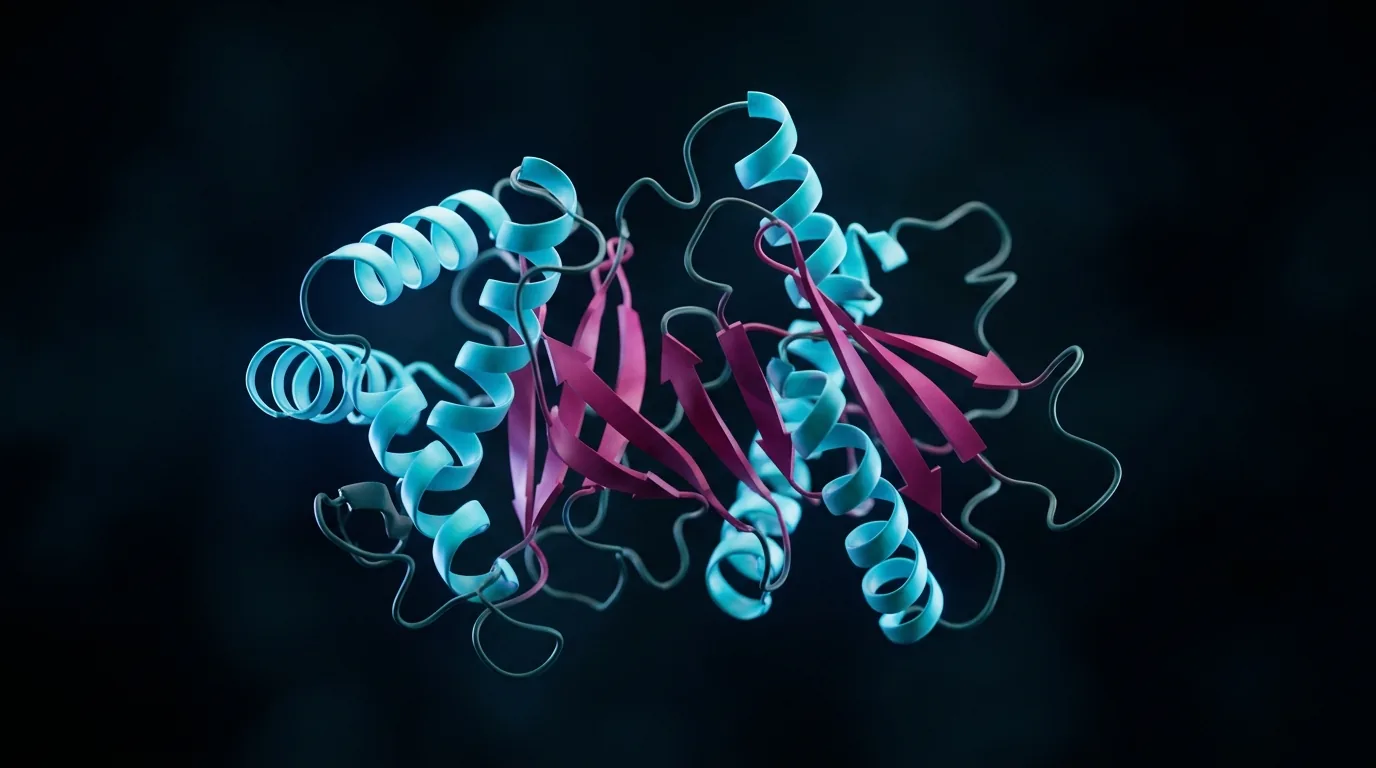
Peptide-Pulsed Dendritic Cells: Why They Beat mRNA on CD8+ Response
Peptide-pulsed dendritic cells deliver HLA class I antigens directly, often outperforming mRNA on per-epitope CD8+ T-cell response rates. Mechanism, data, manufacturing trade-offs.
Neoantigen Peptide Vaccines 2026: Clinical Pipeline Update
Where neoantigen peptide vaccines stand in 2026: Mount Sinai review, dendritic cell pulsing, HLA class I presentation, and clinical pipeline in bladder, pancreatic and GBM cancers.

Epigenetic Clocks Explained: Horvath, Hannum, DNAm GrimAge
Review of DNA methylation epigenetic clocks: Horvath 2013, Hannum, GrimAge, PhenoAge, DunedinPACE, and their use as biomarkers in peptide research.

NAD+ and Aging: What Human Tissue Studies Show
Review of NAD+ and aging research, distinguishing tissue measurements, cross-sectional associations and precursor studies.
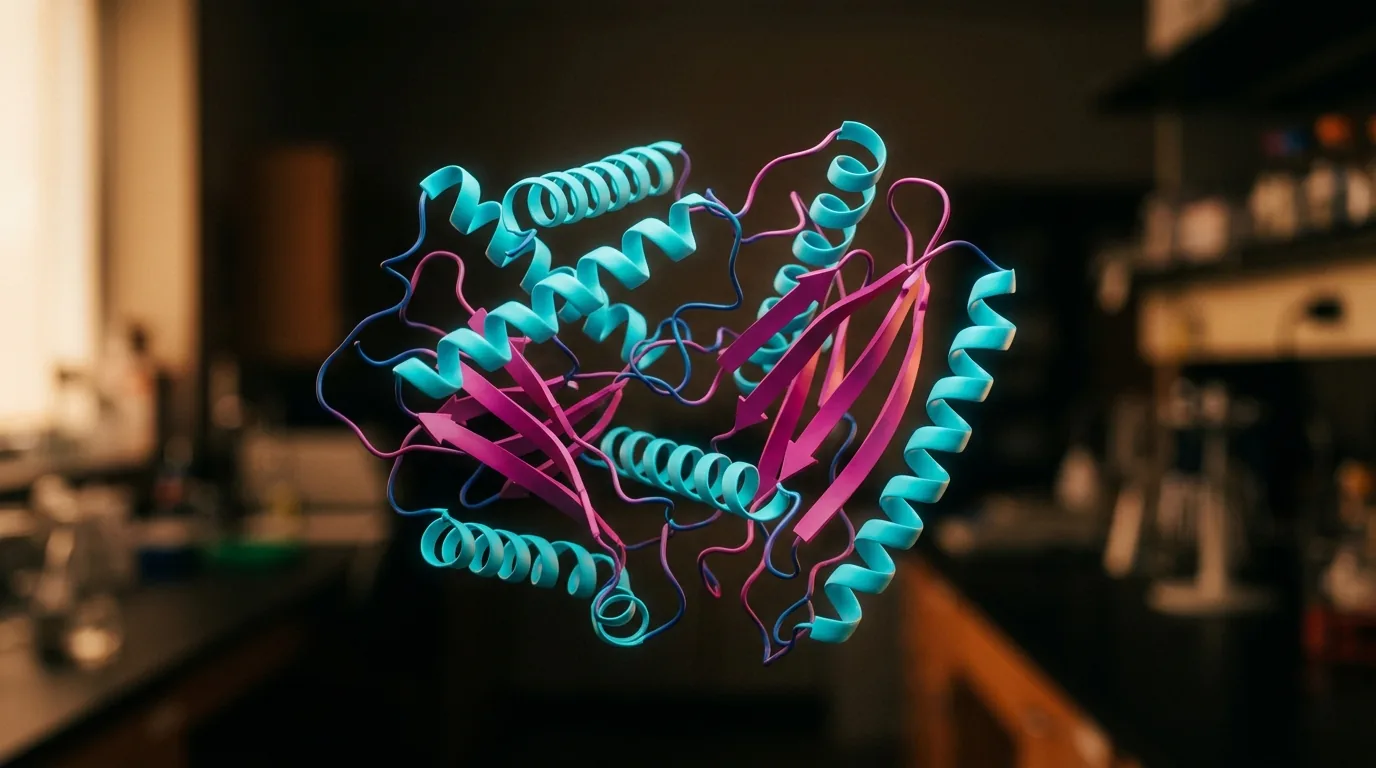
GLP-1 Next Generation 2026-2028: The 5 Molecules to Watch
Five GLP-1 next-generation molecules shaping 2026-2028: orforglipron, retatrutide, survodutide, CagriSema, and oral tirzepatide. Data, mechanisms, timelines.

Research Frontiers: Latest Peptide Science & Breakthroughs
Complete index of 18 Research Frontiers articles on ChemVerify. Covers AI-driven peptide discovery, GLP-1 neurology research, longevity peptides, antimicrobial peptides, cancer vaccines, clinical trial breakthroughs, and cutting-edge peptide science.

Epithalon and Telomere Research: What the Science Actually Shows
Evidence-based review of Epithalon (Ala-Glu-Asp-Gly) and telomere research: telomerase activation claims, Khavinson studies, in vitro vs in vivo data, and longevity evidence gaps.

Copper Peptides for Wound Healing Research: GHK-Cu Mechanism Deep Dive
Deep dive into GHK-Cu wound healing mechanisms: copper ion delivery, MMP regulation, decorin upregulation, TGF-β/TNF-α modulation, stem cell attraction, and clinical evidence.

Peptide Research for Joint Health: BPC-157, TB-500, and Collagen Peptides
Review current laboratory research on BPC-157, TB-500, and collagen peptides for connective tissue repair – mechanisms, study findings, and chemical properties.

Peptide Research for Hair Growth: GHK-Cu, PTD-DBM, and Copper Peptides
Review of peptide-based hair growth research: GHK-Cu copper tripeptide, PTD-DBM Wnt activator, thymosin beta-4, and biomimetic copper peptides in dermal papilla cell models and follicle cycling studies.

Khavinson Bioregulator Peptides: A Complete Scientific Overview
Comprehensive scientific review of Khavinson bioregulator peptides including Epithalon, Thymalin, Pinealon, and seven more short regulatory peptides with epigenetic mechanisms.
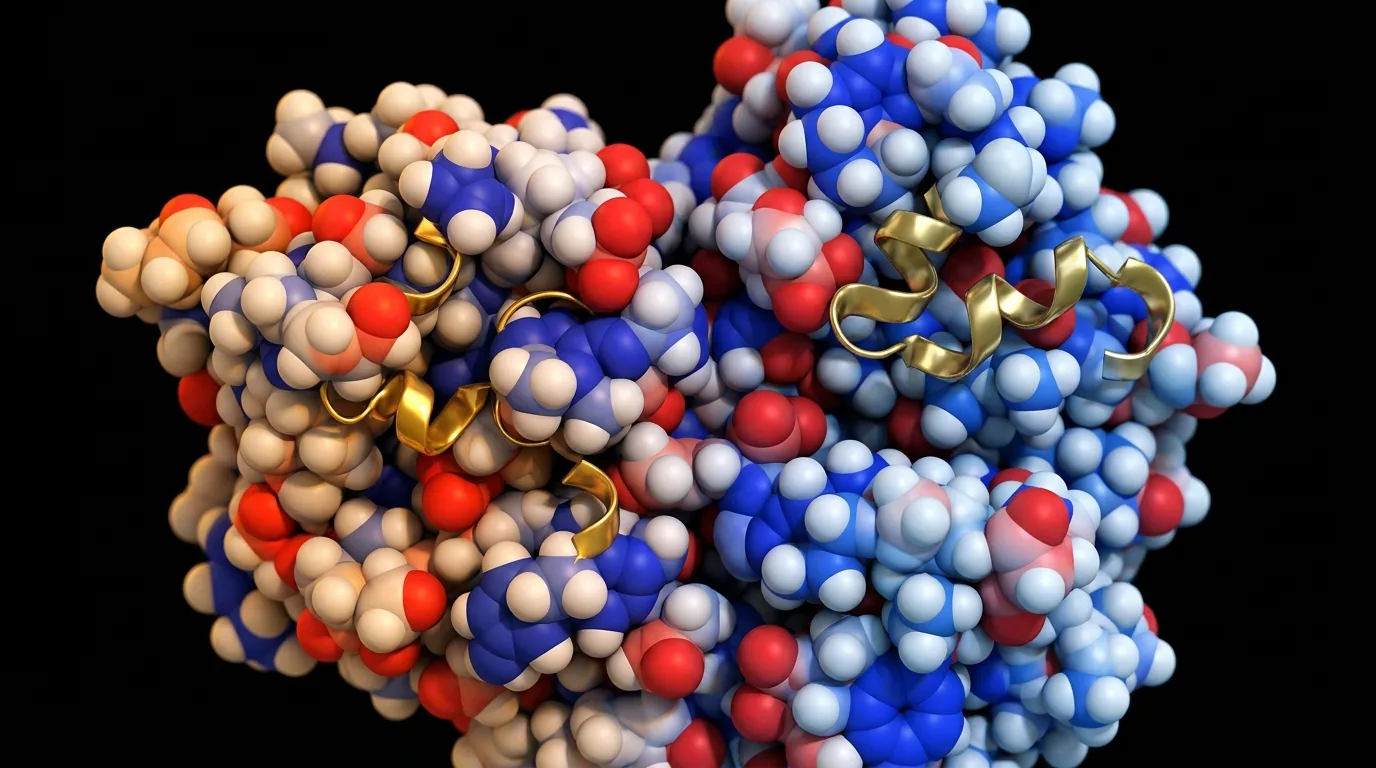
Peptide Research Applications by Field: Neuroscience, Oncology, Metabolic, Dermatology
Survey key peptide research applications across neuroscience, oncology, metabolic disease, and dermatology. Covers target peptides, mechanisms, and current research trends.
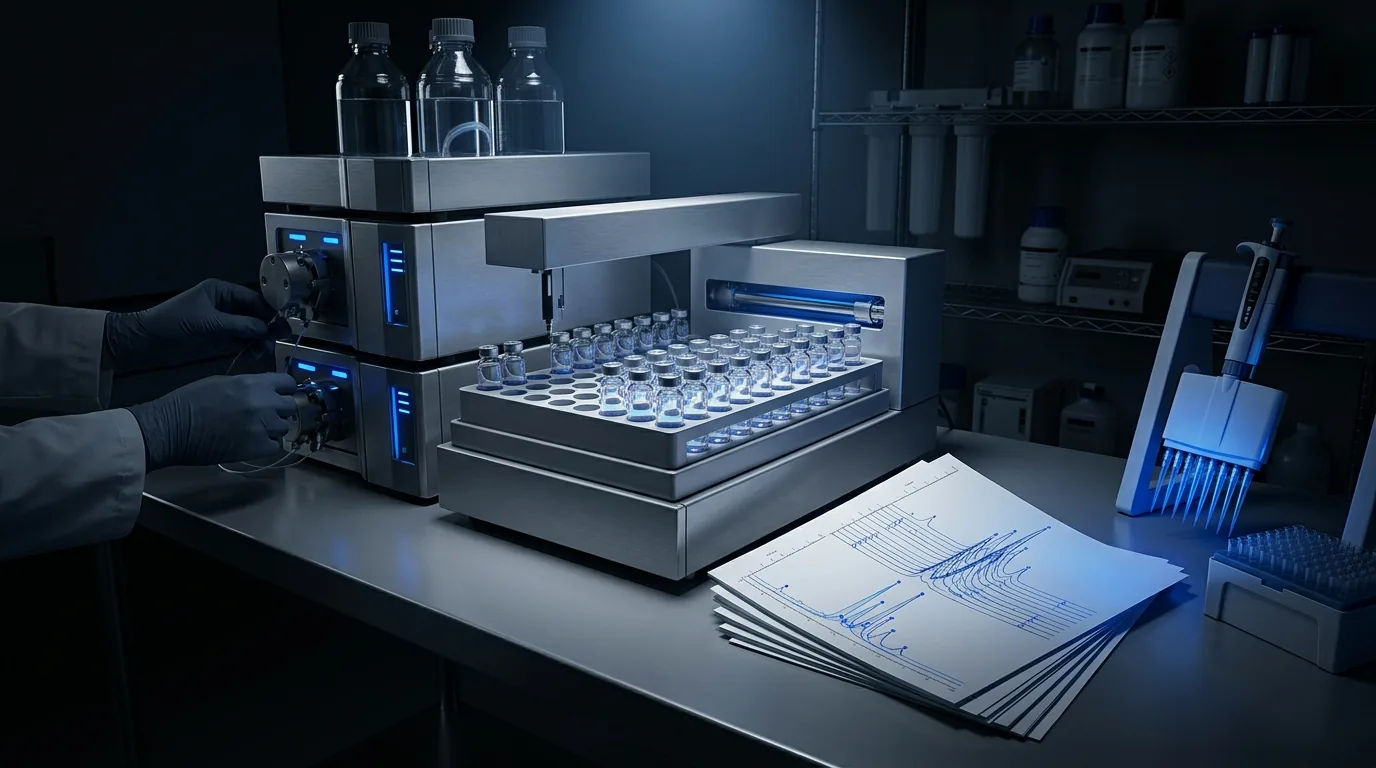
Antimicrobial Peptides: LL-37, Defensins, and the Post-Antibiotic Era
Antimicrobial peptides (AMPs) as antibiotic alternatives: LL-37 cathelicidin, alpha/beta defensins, membrane disruption mechanisms, biofilm activity, and clinical pipeline.
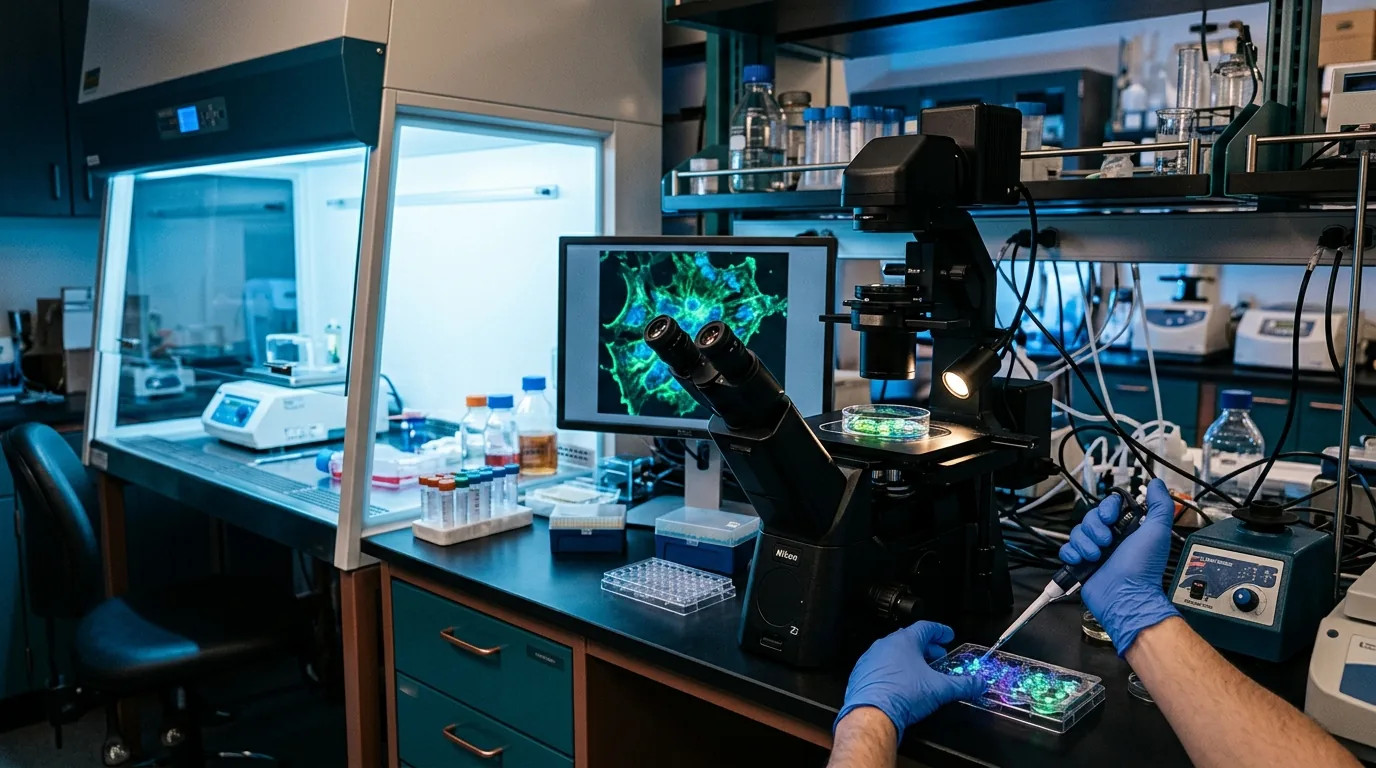
Longevity Peptides 2026: Epithalon, MOTS-C, Humanin and the Science of Aging
Longevity peptides in 2026 research: Epithalon telomerase activation, MOTS-C and Humanin mitochondrial peptides, NAD+ pathways, and senolytic research evidence.

Luna18: The Oral Peptide Achieving 47% Bioavailability – A Potential Game-Changer
Luna18 (paluratide), an 11-mer cyclic peptide discovered via mRNA display, achieved 21–47% oral bioavailability across preclinical species without permeation enhancers – a landmark result that redefines what is chemically achievable for oral peptide delivery.

AI-Powered Peptide Discovery 2026: How CreoPep, PepMimic and Machine Learning Are Reshaping the Pipeline
An advanced overview of the machine-learning platforms – CreoPep, PepMimic, PepINVENT, and KCM – that are accelerating peptide candidate generation, affinity optimization, and library screening in 2026. Covers computational methodologies, clinical pipeline statistics, and the shift toward AI-first discovery workflows.

Personalized Peptide Cancer Vaccines: Neoantigen Targeting in 31 Active Clinical Trials
Peptide-based neoantigen vaccines represent 64.8% of all personalized cancer vaccine trials, with 31 active studies on ClinicalTrials.gov. Phase I data in renal cell carcinoma shows 0/9 recurrences at 40.2 months, while combination regimens with checkpoint inhibitors demonstrate synergistic T-cell activation across hepatocellular carcinoma, advanced solid tumors, and hematologic malignancies.
23andMe Study: Genetic Variants Predict GLP-1 Drug Efficacy and Side Effects
A landmark Nature study from the 23andMe Research Institute identifies missense variants in GLP1R and GIPR that predict weight loss efficacy and gastrointestinal side effects of GLP-1 receptor agonists, advancing pharmacogenomics in peptide therapeutics.
Survodutide: Dual GLP-1/Glucagon Agonist Enters Phase 3 for MASH and Obesity
Survodutide (BI 456906), a dual glucagon/GLP-1 receptor agonist developed by Boehringer Ingelheim and Zealand Pharma, has entered Phase 3 trials for both MASH and obesity. Phase 2 data demonstrated up to 18.7% body weight reduction at 46 weeks and 83% MASH histologic improvement. The SYNCHRONIZE program now evaluates survodutide across multiple Phase 3 endpoints with readouts expected in 2026.
CAQK: A Four-Amino-Acid Peptide That Could Stop Brain Damage After Injury
CAQK (Cys-Ala-Gln-Lys) is a tetrapeptide that selectively homes to injured brain tissue via chondroitin sulfate proteoglycan binding. Recent preclinical results in TBI models demonstrate reduced neuroinflammation, decreased apoptosis, and improved functional recovery – positioning CAQK as a leading candidate for the first systemic TBI therapeutic.
BPC-157: Why Patients Trust a Peptide More Than a Statin – The Evidence Gap Explained
A deep analysis of the inverse relationship between clinical evidence and public trust, examining why BPC-157 – with fewer than 30 human subjects studied – commands more confidence among patients than statins backed by 170,000-participant meta-analyses.