
SLU-PP-332: Complete Research Guide & Chemical Profile
SLU-PP-332 is a small molecule ERRa/g agonist with MW 413.49 Da studied for exercise capacity and metabolic pathway research. Comprehensive guide for researchers.
What Is SLU-PP-332?
TL;DR: SLU-PP-332 is a small-molecule ERR (estrogen-related receptor) agonist (MW ~533.64 Da) developed at Saint Louis University. Unlike peptides, this is a synthetic organic compound requiring ≥98% HPLC purity with ¹H-NMR structural confirmation. It activates all three ERR isoforms (ERRα, ERRβ, ERRγ), making it a novel exercise mimetic research compound. Compare verified SLU-PP-332 pricing across vendors at chemverify.com.
Last verified: March 2026 | Data accuracy confirmed by ChemVerify Editorial Team
SLU-PP-332 is a synthetic small molecule compound that functions as an estrogen-related receptor alpha and gamma (ERRα/γ) agonist. With a molecular weight of 413.49 Da, the compound is used in metabolic and exercise physiology research.
Also known by its synonyms SLUPP332 and SLU PP 332, this compound is classified as an ERR agonist and is primarily investigated for its effects on exercise capacity and metabolic pathways associated with endurance performance. The compound maintains a high purity standard of ≥98% for research applications.
Unlike traditional peptides, SLU-PP-332 is a small molecule that can effectively cross cellular membranes and interact with nuclear receptors. This characteristic makes it particularly valuable for studying intracellular signaling pathways related to energy metabolism and mitochondrial function.
For laboratory research use only. Not for human consumption. This article is intended for educational purposes and does not constitute medical advice.
Research Background & Key Studies
The development of SLU-PP-332 stems from extensive research into estrogen-related receptors and their role in metabolic regulation. Studies indicate that ERR receptors play crucial roles in energy homeostasis, mitochondrial biogenesis, and oxidative metabolism, making them attractive targets for research compounds.
Laboratory investigations have demonstrated that SLU-PP-332 can activate ERRα and ERRγ receptors, leading to enhanced expression of genes involved in oxidative metabolism and mitochondrial function. Research suggests that this activation may contribute to improved cellular energy production and metabolic efficiency in experimental models.
Preclinical studies have examined the compound's effects on exercise capacity markers, with researchers observing changes in oxidative enzyme activity, mitochondrial density, and metabolic substrate utilization. These findings have positioned SLU-PP-332 as a valuable tool for investigating the molecular mechanisms underlying exercise adaptation and metabolic flexibility.
Recent research has also explored the compound's potential applications in studying age-related metabolic decline and mitochondrial dysfunction. Laboratory data suggests that ERR agonists like SLU-PP-332 may help researchers better understand the cellular mechanisms involved in maintaining metabolic health.
Mechanism of Action
SLU-PP-332 operates through a well-characterized mechanism involving the activation of estrogen-related receptors alpha and gamma. These nuclear receptors function as transcription factors, regulating the expression of genes involved in energy metabolism and mitochondrial function.
ERR Pathway Activation
Upon cellular uptake, SLU-PP-332 binds to the ligand-binding domain of ERRα and ERRγ receptors. This binding induces conformational changes that enhance the receptors' transcriptional activity, leading to increased expression of target genes involved in oxidative metabolism.
Research indicates that activated ERR receptors promote the transcription of genes encoding enzymes involved in fatty acid oxidation, glucose metabolism, and mitochondrial respiration. This coordinated gene expression program supports enhanced cellular energy production and metabolic adaptation.
Metabolic Signaling Effects
Laboratory studies suggest that SLU-PP-332 influences multiple metabolic signaling pathways beyond direct ERR activation. The compound appears to modulate PGC-1α (peroxisome proliferator-activated receptor gamma coactivator 1-alpha) activity, a master regulator of mitochondrial biogenesis.
Research also indicates that SLU-PP-332 may affect AMPK (AMP-activated protein kinase) signaling, a key pathway involved in cellular energy sensing and metabolic regulation.
Chemical Properties
Understanding the chemical properties of SLU-PP-332 is essential for proper handling and experimental design. The compound exhibits specific characteristics that influence its stability, solubility, and biological activity in laboratory settings.
Purity Standards
SLU-PP-332 is manufactured to meet stringent purity standards of ≥98%, ensuring consistency and reliability in research applications. This high purity level is crucial for obtaining reproducible results and minimizing experimental variability caused by impurities.
Quality control measures typically include high-performance liquid chromatography (HPLC) analysis, mass spectrometry verification, and nuclear magnetic resonance (NMR) spectroscopy. These analytical methods confirm both the identity and purity of the compound.
Storage & Stability
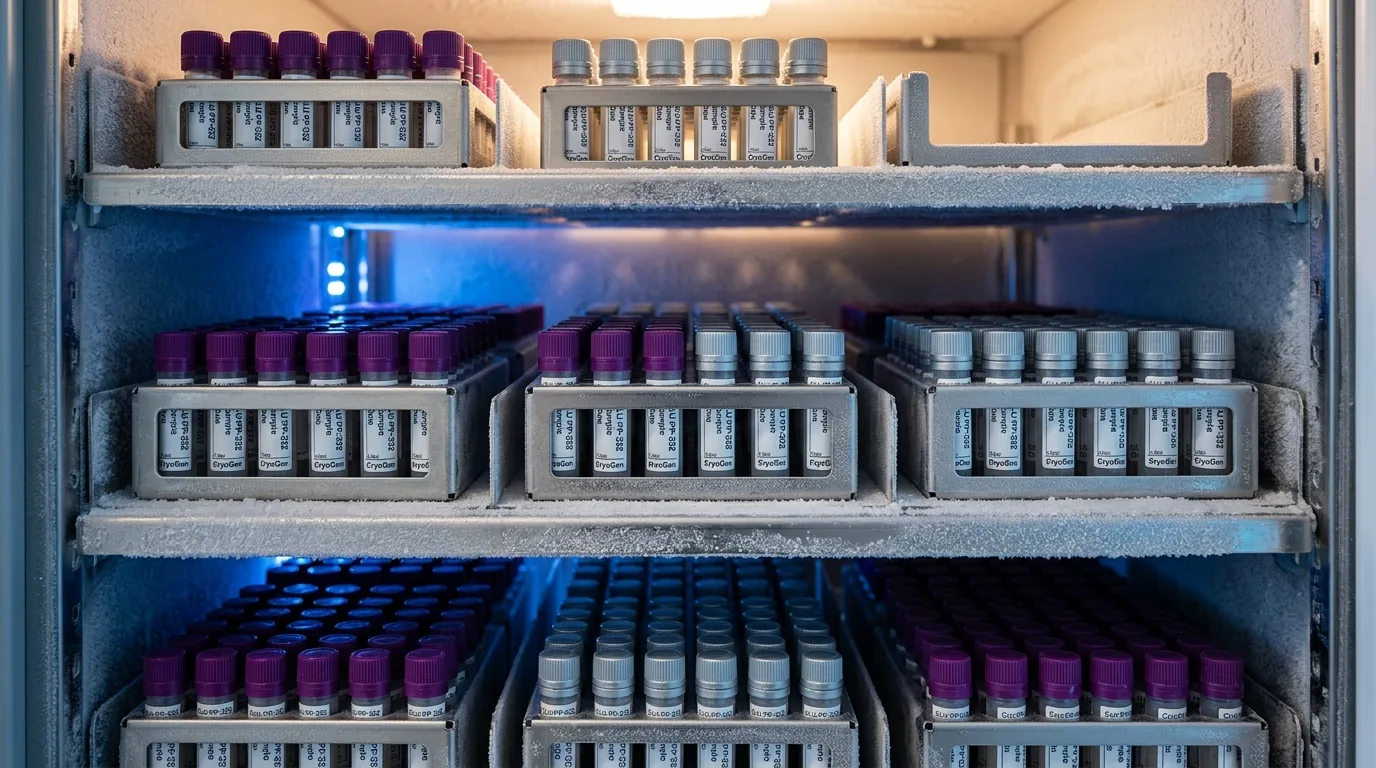
Proper storage conditions are critical for maintaining the stability and activity of SLU-PP-332. The compound should be stored in a cool, dry environment, typically at -20°C or lower, to prevent degradation and maintain chemical integrity.
Research indicates that SLU-PP-332 demonstrates good stability when stored under appropriate conditions and protected from light and moisture. Reconstituted solutions should be prepared fresh or stored according to established protocols to ensure optimal activity.
The compound's solubility characteristics allow for preparation in various research-grade solvents, including DMSO and ethanol. Researchers should consult specific solubility data and preparation guidelines for their particular experimental requirements.
Verified Sources on ChemVerify
Researchers seeking high-quality SLU-PP-332 can find verified suppliers and third-party tested batches on ChemVerify's platform. The comprehensive database provides detailed information about vendor reliability, product specifications, and quality certifications.
ChemVerify's verification process includes thorough supplier audits, product testing documentation, and ongoing quality monitoring. This ensures that researchers have access to authentic, high-purity SLU-PP-332 from reputable sources.
Visit ChemVerify at /product/slu-pp-332 to access verified vendor listings, compare product specifications, and review third-party testing reports. This resource helps researchers make informed decisions about their SLU-PP-332 procurement needs.
All vendors listed on ChemVerify undergo rigorous verification processes to ensure product authenticity and quality standards for research applications.
Frequently Asked Questions
**What makes SLU-PP-332 different from other ERR modulators?**
SLU-PP-332 is specifically designed as a dual ERRα/γ agonist with high selectivity and potency. Unlike some ERR modulators that may have mixed agonist/antagonist properties, SLU-PP-332 consistently activates both ERRα and ERRγ receptors, making it particularly valuable for studying coordinated metabolic responses.
**How stable is SLU-PP-332 in solution?**
Research indicates that SLU-PP-332 maintains good stability when properly stored and handled. Reconstituted solutions should be prepared fresh when possible, though short-term storage at appropriate temperatures may be acceptable depending on the specific experimental timeline and conditions.
**What cell types are commonly used in SLU-PP-332 research?**
Laboratory studies typically employ muscle cell lines, hepatocytes, and adipocytes due to their high ERR expression levels. Researchers also use primary cell cultures and tissue preparations to investigate the compound's effects on metabolic gene expression and mitochondrial function.
**Can SLU-PP-332 be used in combination with other research compounds?**
Research suggests that SLU-PP-332 can be incorporated into multi-compound experimental designs. However, researchers should carefully consider potential interactions and conduct appropriate controls to ensure that observed effects can be properly attributed to individual compounds or their combinations.
**What analytical methods are used to study SLU-PP-332's effects?**
Common analytical approaches include quantitative PCR for gene expression analysis, Western blotting for protein quantification, oxygen consumption measurements for metabolic assessment, and fluorescence microscopy for cellular localization studies. These methods help researchers comprehensively evaluate the compound's biological effects.
**How does SLU-PP-332 compare to exercise interventions in research models?**
Laboratory studies indicate that SLU-PP-332 can activate some of the same molecular pathways stimulated by exercise, particularly those involving ERR signaling and mitochondrial adaptation. This makes it a valuable tool for studying exercise mimetic effects and understanding the molecular basis of exercise-induced metabolic improvements.
Frequently Asked Questions
Further Reading on ChemVerify
- Read more: Hexarelin: Complete Research Guide & Chemical Profile → https://www.chemverify.com/learn/hexarelin-research-guide-chemical-profile
- Read more: How Fast Do Peptides Work? Expected Timelines for BPC-157, Semaglutide, Ipamorelin & More → https://www.chemverify.com/learn/how-fast-do-peptides-work-timelines
- Read more: Retatrutide: Complete Research Guide & Chemical Profile → https://www.chemverify.com/learn/retatrutide-research-guide-chemical-profile
- Read more: Tirzepatide: Complete Research Guide & Chemical Profile → https://www.chemverify.com/learn/tirzepatide
References
Compare Verified Vendors
Browse COA-verified suppliers with exclusive discount codes and transparent pricing.
Continue Reading
Hexarelin: Complete Research Guide & Chemical Profile
Comprehensive research guide to Hexarelin (Examorelin), a synthetic hexapeptide GHSR-1a agonist. Covers molecular weight 887.04 Da, sequence, GH release mechanisms, and cardiac research.
SLU-PP-332 at Bio BoostX: Price, Purity & Verification
SLU-PP-332 from Bio BoostX – EUR 59.95/5mg, COA verified.
SLU-PP-332 at Helus Lab: Price, Purity & Verification
SLU-PP-332 from Helus Lab – EUR 29.99/5mg, COA verified.
SLU-PP-332 at Beyond Peptides: Price, Purity & Verification
SLU-PP-332 from Beyond Peptides – EUR 141.04/250mg, COA verified.