

Research Peptide Guides
Learn to read a certificate of analysis, interpret a lab result and look up a peptide batch. Browse research guides, compound profiles and published studies.
Knowledge areas
Scientific Studies Database
Browse peer-reviewed research on peptide compounds with direct links to published literature.
Browse StudiesFrequently Asked Questions
Quick answers to the most common beginner questions about research peptides.
Browse FAQPeptides 1x1
Foundational knowledge about peptides – the essential basics every researcher should know. Start here to build a solid understanding of peptide science.
Blog
Articles, insights, and guides about peptide research, industry trends, and best practices.
News & Updates
Latest research findings, study results, and industry developments in the peptide space.
All Articles

Peptide Compounding Pharmacies 2026: How Access Is Changing
Access to compounded peptides is shifting after the April 2026 FDA notice. How 503A and 503B work, telehealth prescribing, and vendor consolidation.

Is BPC-157 Legal Now? Post-FDA-Announcement Legal Status 2026
After the April 2026 FDA announcement, BPC-157 legal status is nuanced. Research use vs patient use, compounding access, and state variations covered.

12 Peptides FDA Is Moving Off Category 2: Complete 2026 List
The FDA April 2026 notice identifies 12 peptides under review for Category 2 reclassification. Here is the complete list with chemistry and current status.

FDA July 2026 Peptide Meeting: What Researchers Need to Know
FDA's April 15 2026 Federal Register notice schedules a July advisory panel on research peptides. What the review covers and why it matters for labs.
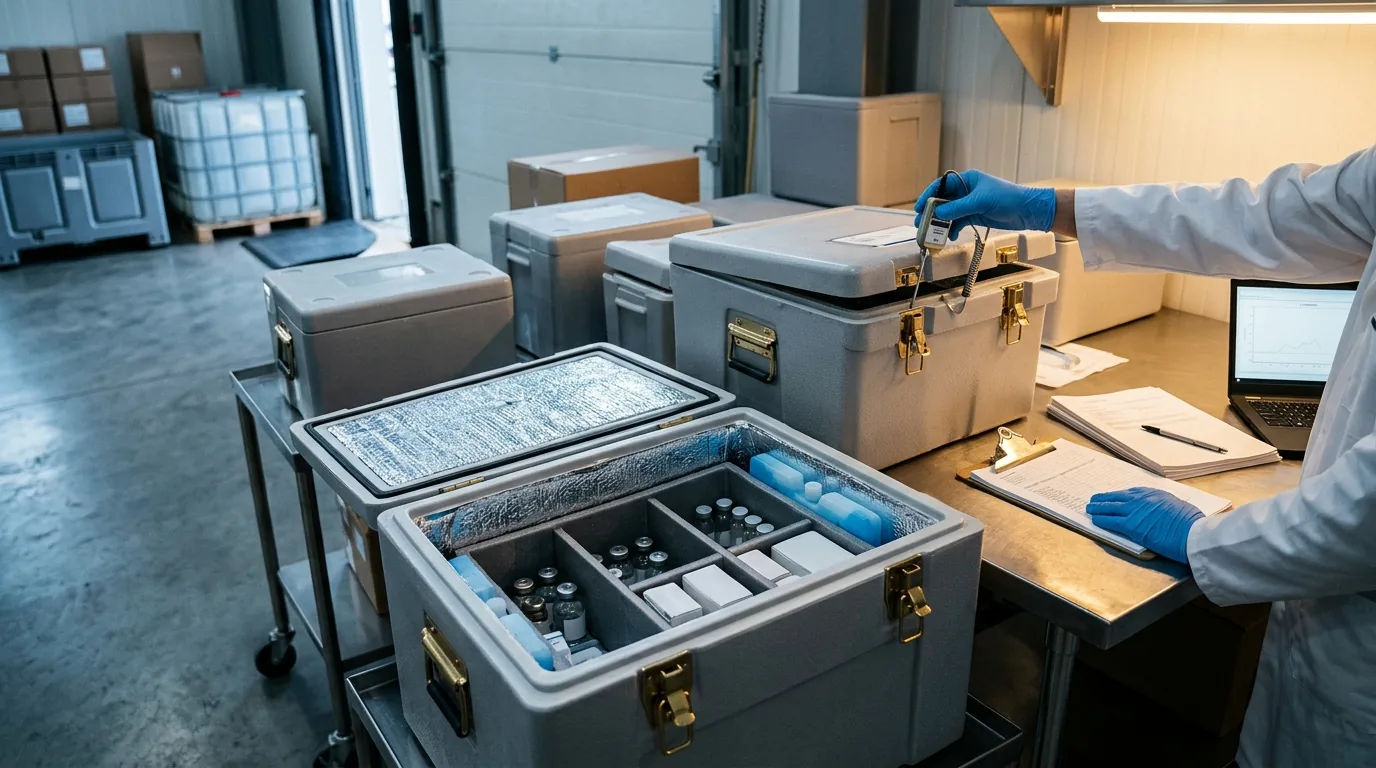
Peptide Industry News: FDA Approvals, Clinical Trials & Market Updates
Complete index of 14 peptide industry news articles on ChemVerify. Covers FDA approvals, clinical trial results, market reports, vendor closures, oral peptide breakthroughs, Medicare GLP-1 coverage, and industry deals.
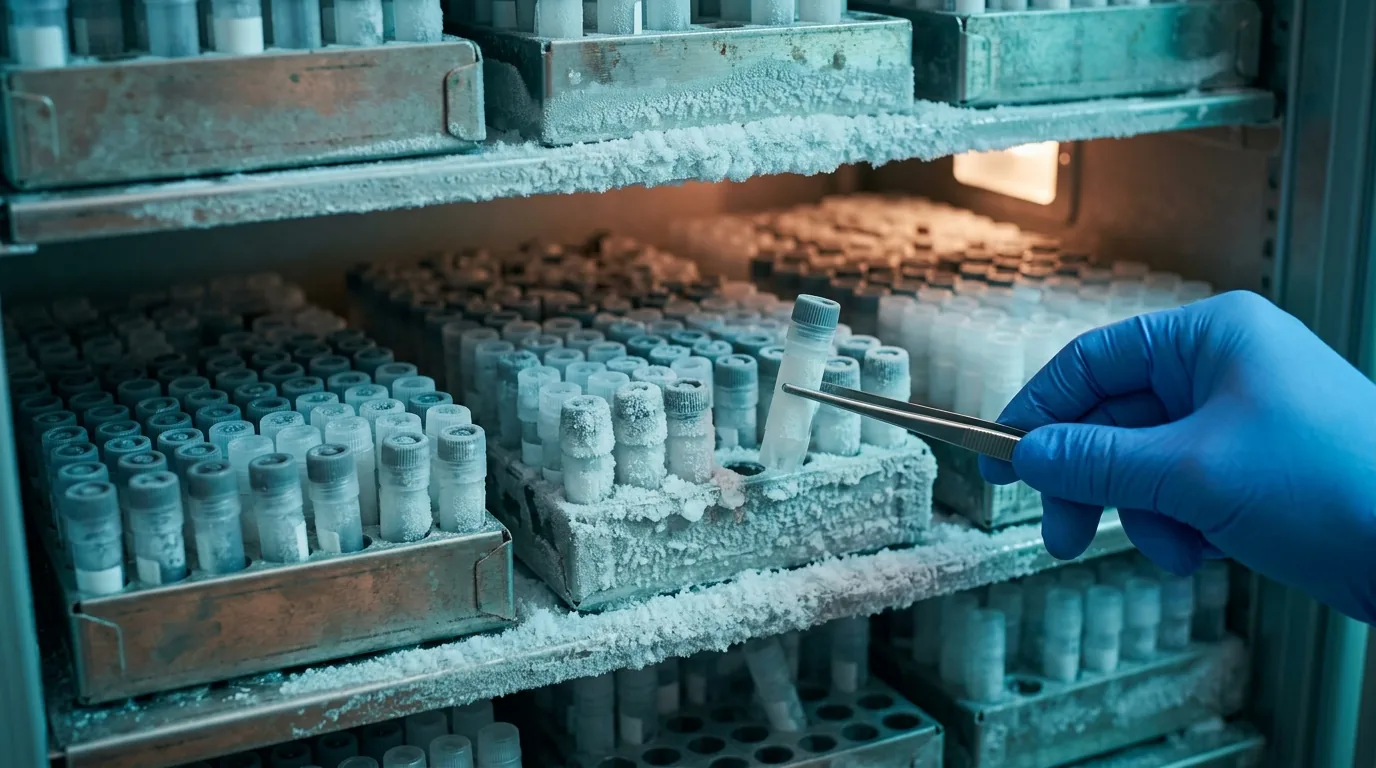
Peptide Chemical Properties: Structure, Modifications & Stability
Complete index of 11 peptide chemical properties articles on ChemVerify. Covers amino acid reference data, salt forms, sequence notation, disulfide bonds, PEGylation, degradation pathways, aggregation, and net peptide content.
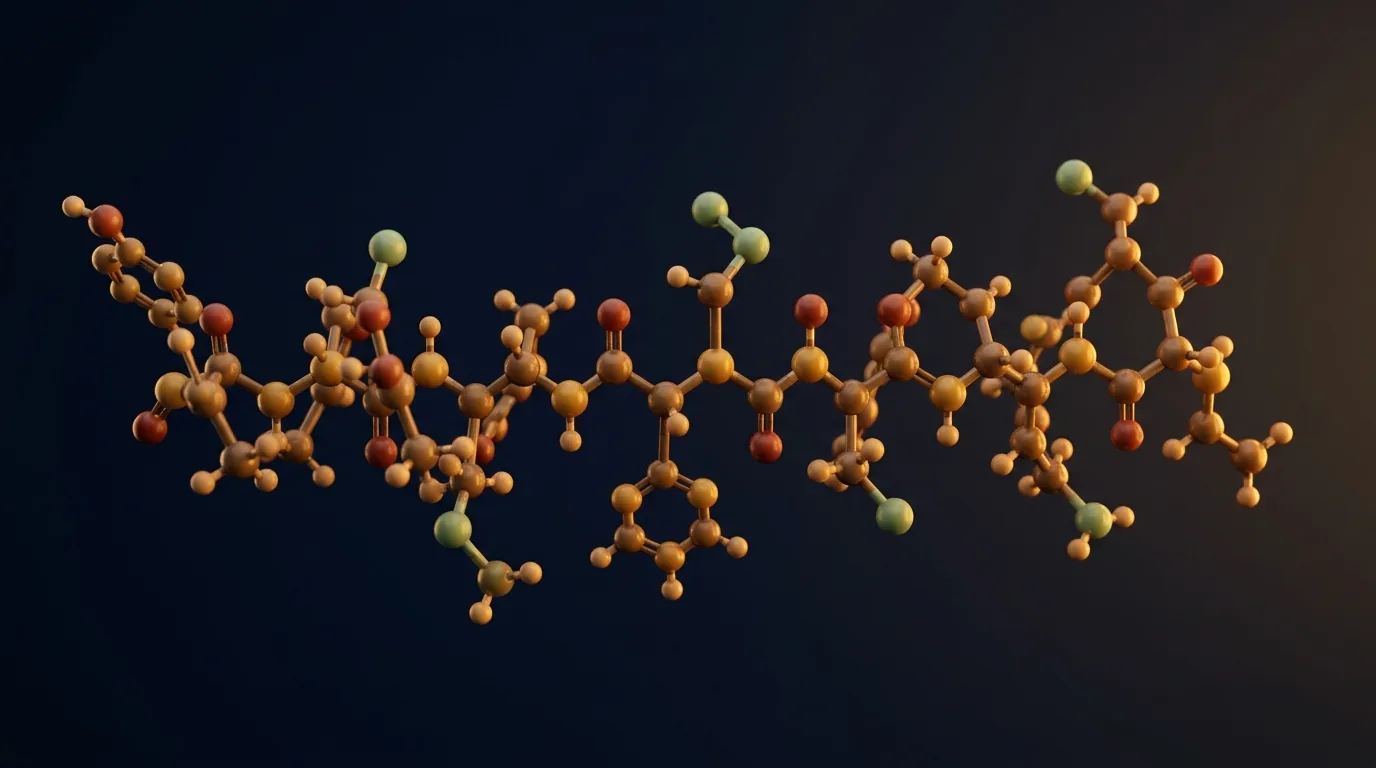
Peptide Pharmacokinetics: Absorption, Half-Life & Bioavailability
Complete index of 6 pharmacokinetics articles on ChemVerify. Covers peptide half-life determinants, bioavailability by administration route, GLP-1 receptor agonist research, microdosing, and cellular receptor interactions.

Peptide Safety: Risks, Contamination & Best Practices
Complete index of 6 peptide safety articles on ChemVerify. Covers research peptide safety profiles, contamination detection, endotoxin testing, allergic reactions, and the legal framework for research chemicals.

Research Frontiers: Latest Peptide Science & Breakthroughs
Complete index of 18 Research Frontiers articles on ChemVerify. Covers AI-driven peptide discovery, GLP-1 neurology research, longevity peptides, antimicrobial peptides, cancer vaccines, clinical trial breakthroughs, and cutting-edge peptide science.

Peptide Regulation: Legal Framework by Country & FDA Updates
Complete index of 24 peptide regulation articles on ChemVerify. Country-specific legal guides, FDA reclassification updates, import procedures, and verified vendor lists for laboratory researchers worldwide.
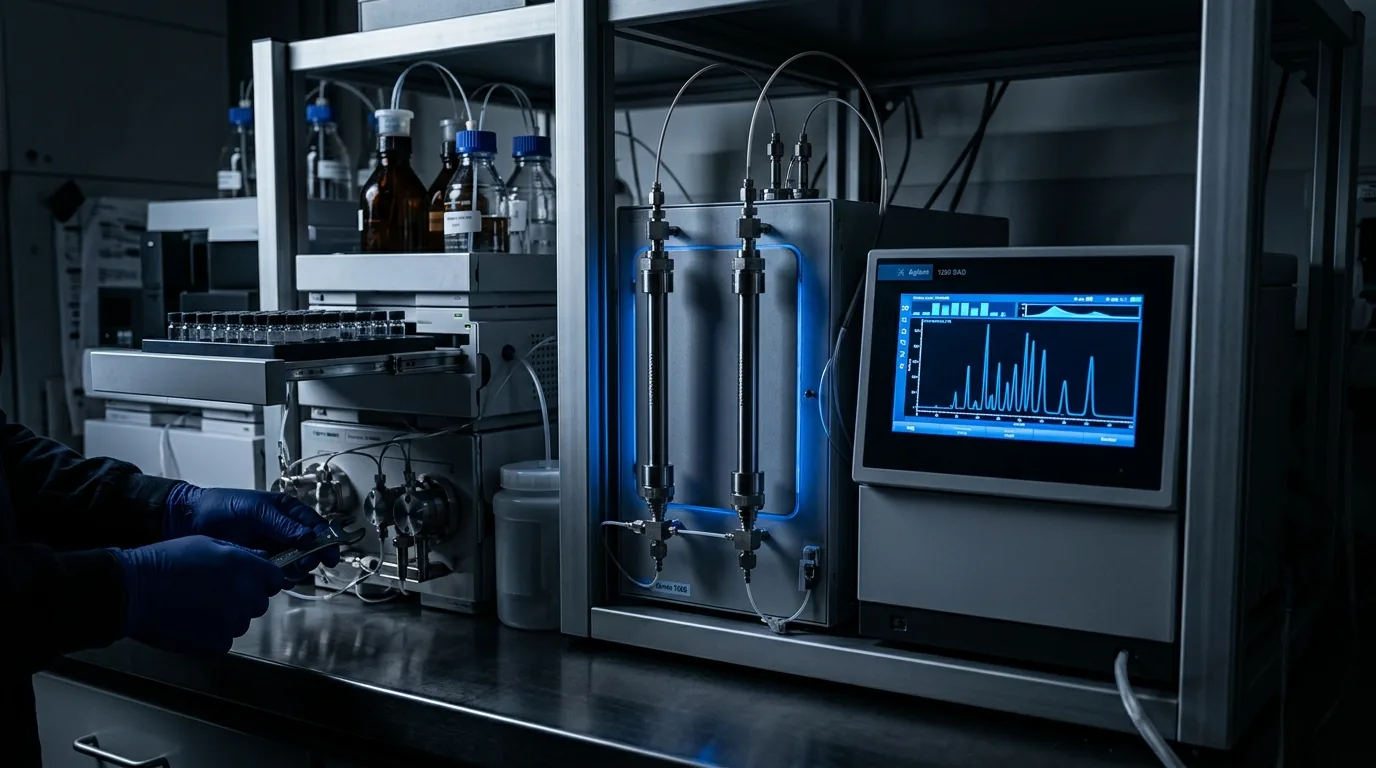
Peptide Verification: Testing Methods, COA Analysis & Quality Control
Complete index of 30 peptide verification and quality control articles on ChemVerify. Covers HPLC analysis, mass spectrometry, COA interpretation, vendor verification, endotoxin testing, and purity standards.
Peptide Handling: Storage, Reconstitution & Laboratory Protocols
Complete index of 25 peptide handling guides on ChemVerify. Covers reconstitution, storage, solubility, syringes, cold chain, shipping, stacking, and concentration calculations for laboratory researchers.
Peptide Comparisons: Head-to-Head Research Guides
Complete index of 28 peptide comparison articles on ChemVerify. Structural, analytical, and mechanistic head-to-head comparisons of research peptides for laboratory scientists.
Peptides 1x1: Complete Research Guide Library
Complete index of all 82 peptide research guides on ChemVerify. Browse individual compound profiles covering chemical properties, molecular weight, amino acid sequences, mechanism of action, and purity standards for laboratory research.

How to Verify Peptide Identity: Mass Spectrometry for Beginners
Read m/z values and charge states in a peptide mass spectrum. Compare the observed mass with the expected mass when reviewing identity evidence on a COA.

Epithalon and Telomere Research: What the Science Actually Shows
Evidence-based review of Epithalon (Ala-Glu-Asp-Gly) and telomere research: telomerase activation claims, Khavinson studies, in vitro vs in vivo data, and longevity evidence gaps.
Ipamorelin + CJC-1295 (No DAC) Stack: Synergy Research Guide
Research guide to the Ipamorelin + CJC-1295 No DAC growth hormone stack: GHRH-GHRP synergy mechanism, GH pulse amplification, timing protocols, and reconstitution guidance.

Peptide Aggregation: Why Peptides Clump and How to Prevent It
Understanding peptide aggregation in research: hydrophobic clumping, amyloid formation, concentration and pH effects, co-solvents, gentle mixing, and filtration strategies.

Top 10 Mistakes Beginners Make With Research Peptides
Avoid the most common beginner mistakes with research peptides – from improper storage and wrong solvents to skipping CoA verification and contamination risks.
IGF-1 LR3 vs IGF-1 DES: Long-Acting vs Truncated Growth Factor
Scientific comparison of IGF-1 LR3 (83aa, Arg3 substitution) and IGF-1 DES (67aa, truncated N-terminus): IGFBP binding, half-life, potency, and research applications.
Peptide Solvent Compatibility: Which Solvents Work With Which Peptides
Comprehensive guide to peptide solvent compatibility – water, DMSO, acetic acid, and buffer selection based on peptide charge, hydrophobicity, and sequence.

Semax for Cognitive Research: ACTH(4-10) Analog Mechanism
Semax mechanism of action: ACTH(4-10) fragment with Pro-Gly-Pro modification, BDNF and NGF upregulation, BBB penetration, nasal delivery, and Russian clinical research history.

Compounding Pharmacy vs Research Peptide Vendor: Key Differences
Understand the key differences between compounding pharmacies and research peptide vendors – regulation, quality standards, intended use, and legal frameworks.

Peptide Endotoxin Levels: USP Limits and Why They Matter
Guide to peptide endotoxin testing: what LPS endotoxins are, USP <85> LAL method, acceptable limits (5 EU/kg), reading COA results, and recombinant factor C assays.