

Research Peptide Guides
Learn to read a certificate of analysis, interpret a lab result and look up a peptide batch. Browse research guides, compound profiles and published studies.
Knowledge areas
Scientific Studies Database
Browse peer-reviewed research on peptide compounds with direct links to published literature.
Browse StudiesFrequently Asked Questions
Quick answers to the most common beginner questions about research peptides.
Browse FAQPeptides 1x1
Foundational knowledge about peptides – the essential basics every researcher should know. Start here to build a solid understanding of peptide science.
Blog
Articles, insights, and guides about peptide research, industry trends, and best practices.
News & Updates
Latest research findings, study results, and industry developments in the peptide space.
All Articles
Is Licensed Peptides Legit? What ChemVerify's Batch Data Shows
Licensed Peptides in ChemVerify's batch database: 41 certificates from Vanguard Laboratory, Janoshik Analytical, BTLabs and Krause Analytical LLC, dated 27 August 2025 to 21 July 2026. ChemVerify has not tested products from Licensed Peptides itself.
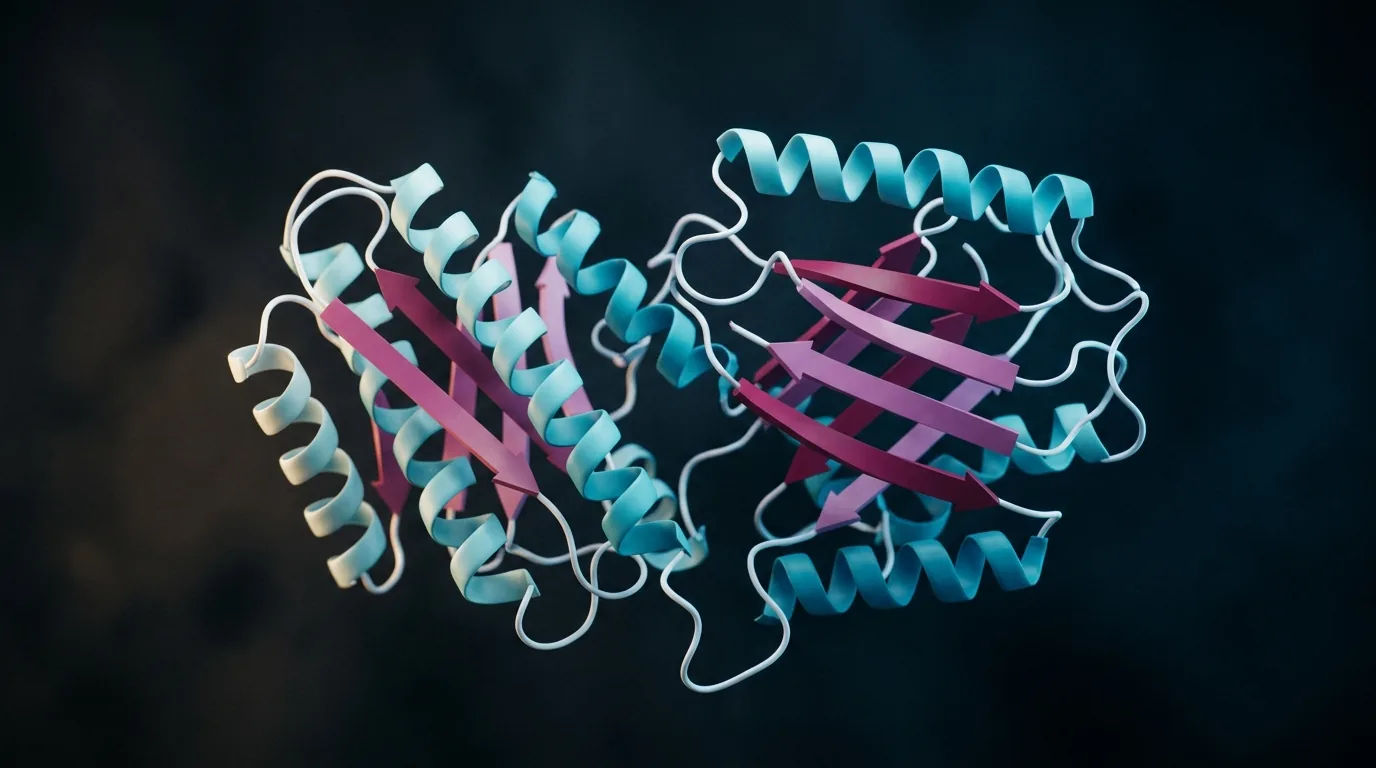
Is Elyvera (Europeptides) Legit? What ChemVerify's Batch Data Shows
Elyvera (Europeptides) in ChemVerify's batch database: 28 certificates from Janoshik Analytical, dated 24 February 2026 to 4 August 2026. ChemVerify has not tested products from Elyvera (Europeptides) itself.
Peptides in Women's Health Research: Compound Profiles & Analysis
Research-focused compound profiles of peptides studied in women's health contexts. Covers kisspeptin (reproductive endocrinology research), oxytocin (neuropeptide signaling), BPC-157 (tissue repair models), GHK-Cu (copper peptide biochemistry), and PT-141 (melanocortin receptor pharmacology). Structural profiles, analytical characterization, and amino acid sequences only – no therapeutic claims.
Are Research Peptides Legal? A Country-by-Country Guide
Legal status of research peptides by country in 2026 – USA, EU, UK, Australia, and Canada regulations for purchasing, possessing, and using peptides in laboratory research.
Semaglutide vs. Tirzepatide: Molecular Structure & Research Profile
Molecular comparison of semaglutide and tirzepatide research peptides – GLP-1 receptor binding, amino acid sequences, acylation chemistry, and analytical characterization methods.
Semax vs. Selank: Nootropic Peptide Structural Comparison
Structural comparison of Semax (ACTH 4-7 analog) and Selank (tuftsin analog) research peptides – amino acid sequences, molecular weight, stability, and analytical characterization.
Anti-Aging Research Peptides: Molecular Profiles & Analysis
Analytical overview of anti-aging research peptides including Epitalon, GHK-Cu, BPC-157, Thymalin, and FOXO4-DRI. Covers telomerase research context, copper-peptide chemistry, structural analysis, molecular weights, amino acid sequences, and published research references for laboratory characterization.
Peptide Mimetics: Non-Peptide Analogs in Research
Comprehensive research overview of peptidomimetics – non-peptide analogs designed to replicate peptide biological activity with improved pharmacokinetic properties. Covers Type I–III classification, structural design strategies, oral bioavailability advantages, analytical characterization methods (HPLC, LC-MS/MS), and current research applications in drug design.
Microdosing GLP-1 Agonists: Research Considerations & Analytical Methods
Research-focused overview of sub-therapeutic GLP-1 agonist dosing in laboratory contexts. Covers pharmacokinetic modeling of dose-response relationships, analytical detection methodologies (LC-MS/MS sensitivity thresholds), assay validation for low-concentration quantification, and the distinction between research pharmacology and clinical applications.
Retatrutide vs. Tirzepatide: Triple vs. Dual Agonist Comparison
Detailed structural comparison of Retatrutide, a 39-amino-acid triple agonist targeting GLP-1, GIP, and glucagon receptors (~4813 Da), versus Tirzepatide, a 39-amino-acid dual GLP-1/GIP agonist (~4810 Da). Examines sequence differences, receptor binding profiles, fatty acid modifications, and analytical differentiation methods.
Growth Hormone Releasing Peptides: Research Compound Overview
Comprehensive analytical overview of growth hormone releasing peptides including GHRH analogs, GHRPs, and growth hormone secretagogues. Covers molecular structures, amino acid sequences, molecular weights, purity testing methods, and storage requirements for CJC-1295, Ipamorelin, GHRP-6, GHRP-2, MK-677, and Sermorelin.
AI-Driven Peptide Discovery: Machine Learning in Peptide Research
Overview of artificial intelligence and machine learning applications in peptide research and discovery. Covers AlphaFold impact on structure prediction, ML-driven sequence optimization, de novo peptide design algorithms, high-throughput screening integration, computational vs. wet-lab validation workflows, and current AI research tools available to peptide scientists in 2026.
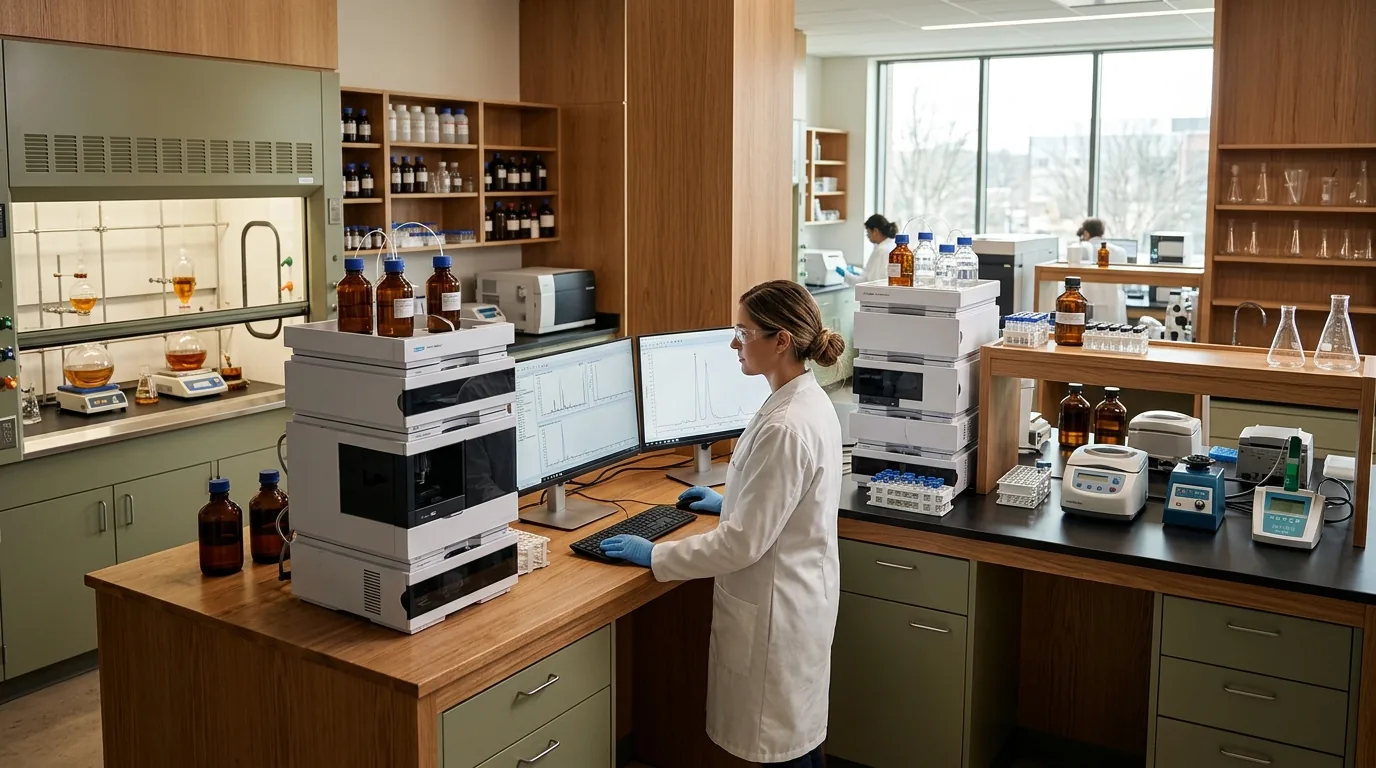
Chinese-Manufactured Peptides: Quality Verification Guide
How to verify the quality of Chinese-manufactured research peptides – COA authentication, HPLC purity testing, endotoxin analysis, and heavy metal screening through independent laboratories.
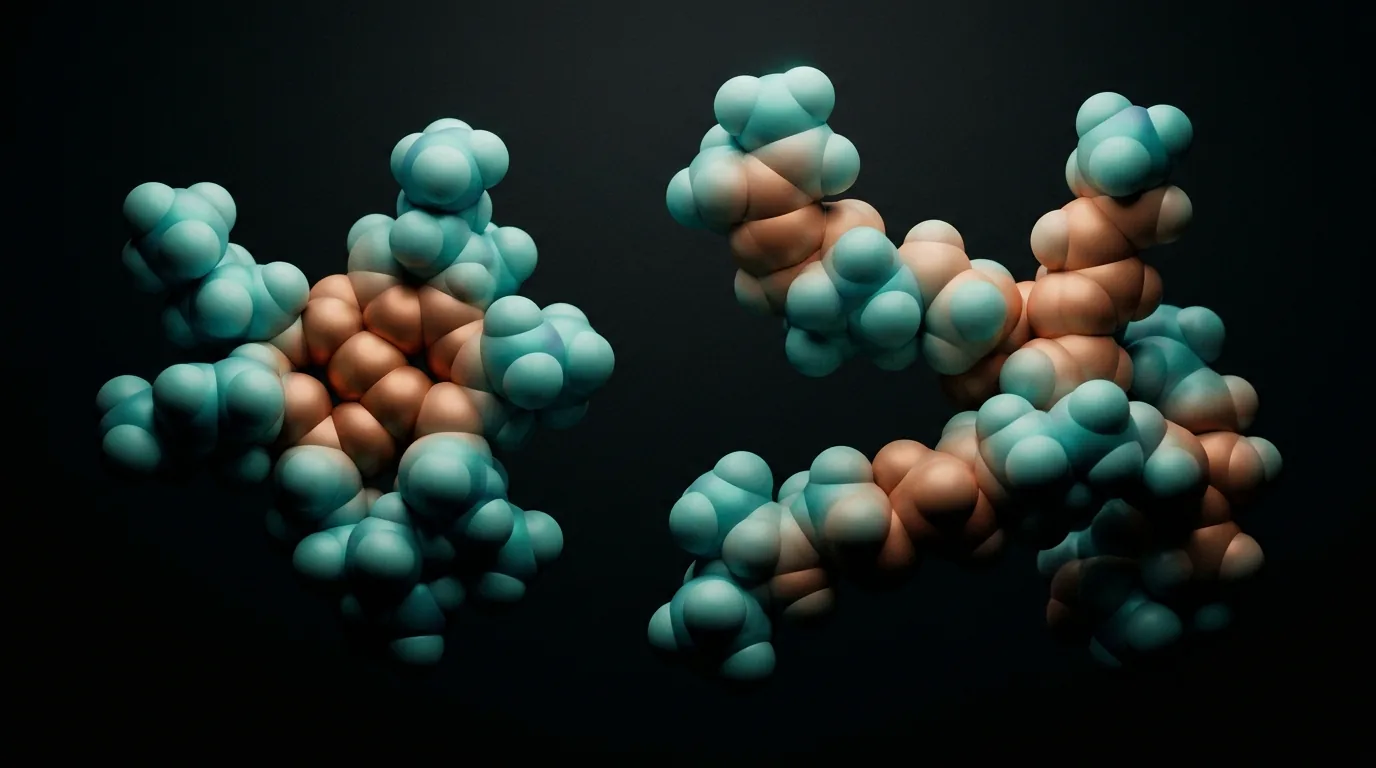
GHK-Cu vs. BPC-157: Copper Peptide vs. Body Protection Compound
Research-focused comparison of GHK-Cu, a copper-binding tripeptide (Gly-His-Lys + Cu2+, MW ~403 Da), versus BPC-157, a pentadecapeptide from gastric juice proteins (15 amino acids, MW ~1419 Da). Covers structural chemistry, metal coordination, solubility profiles, HPLC analysis, and stability under various laboratory conditions.
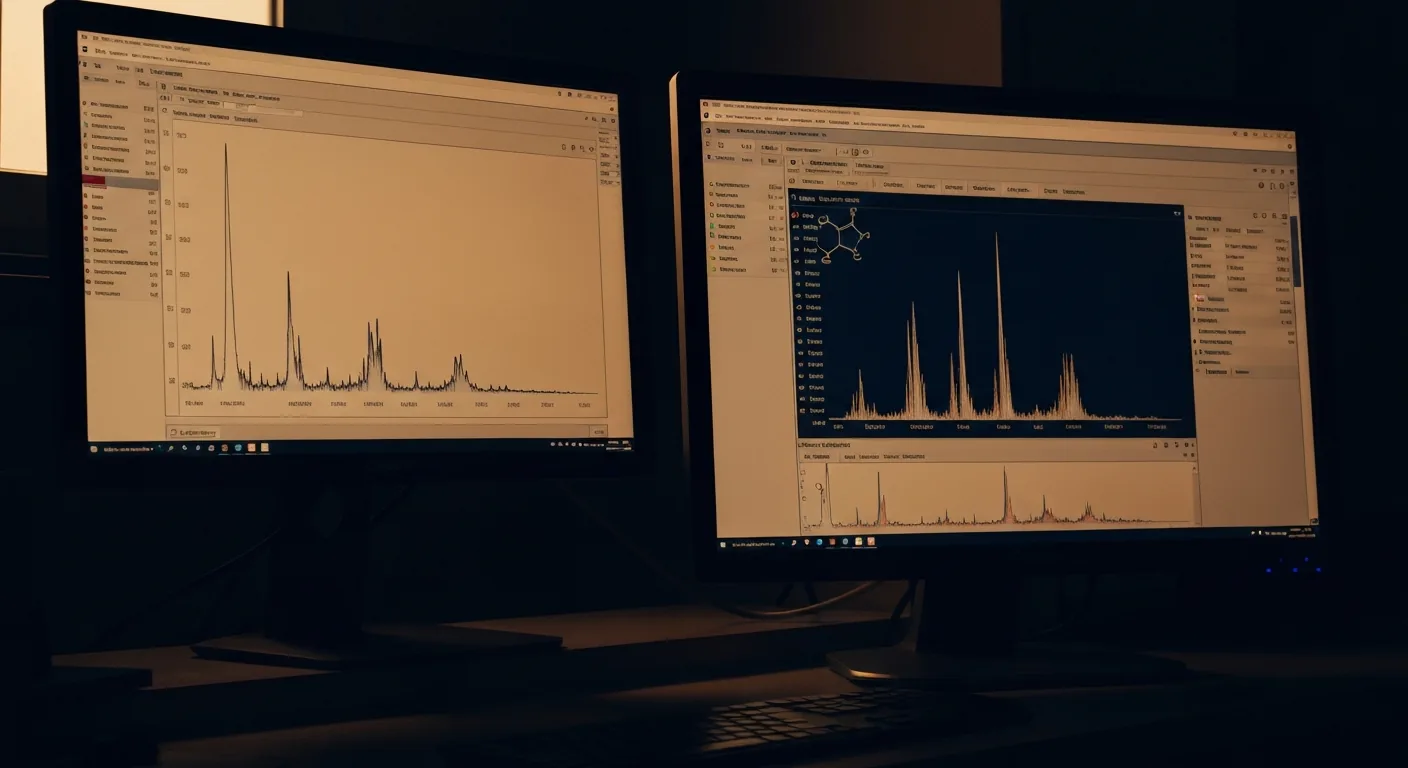
BPC-157 vs. TB-500: Structural & Analytical Comparison
Structural comparison of BPC-157 and TB-500 research peptides – molecular weight, amino acid sequence, stability profiles, HPLC purity methods, and storage requirements.
Helus Lab Has Closed: Alternatives With Lab Data
Helus Lab closed its shop for good on 15 October 2026. What happens to its lab reports, and how to compare alternative vendors by independent test data and price per mg.

BPC-157 Acetate vs. Arginine Salt: Counterion Comparison
Detailed analytical comparison of BPC-157 acetate (standard HPLC-derived salt form) versus BPC-157 arginine salt (claimed stability-enhanced form). Examines counterion chemistry, pH stability differences, net peptide content calculations, HPLC behavior, solubility profiles, storage requirements, and price-per-milligram considerations for laboratory research.

Verified Alternatives to Beyond Peptides
Explore independently verified alternatives to Beyond Peptides. COA-verified research peptide vendors with third-party purity data reviewed by ChemVerify.
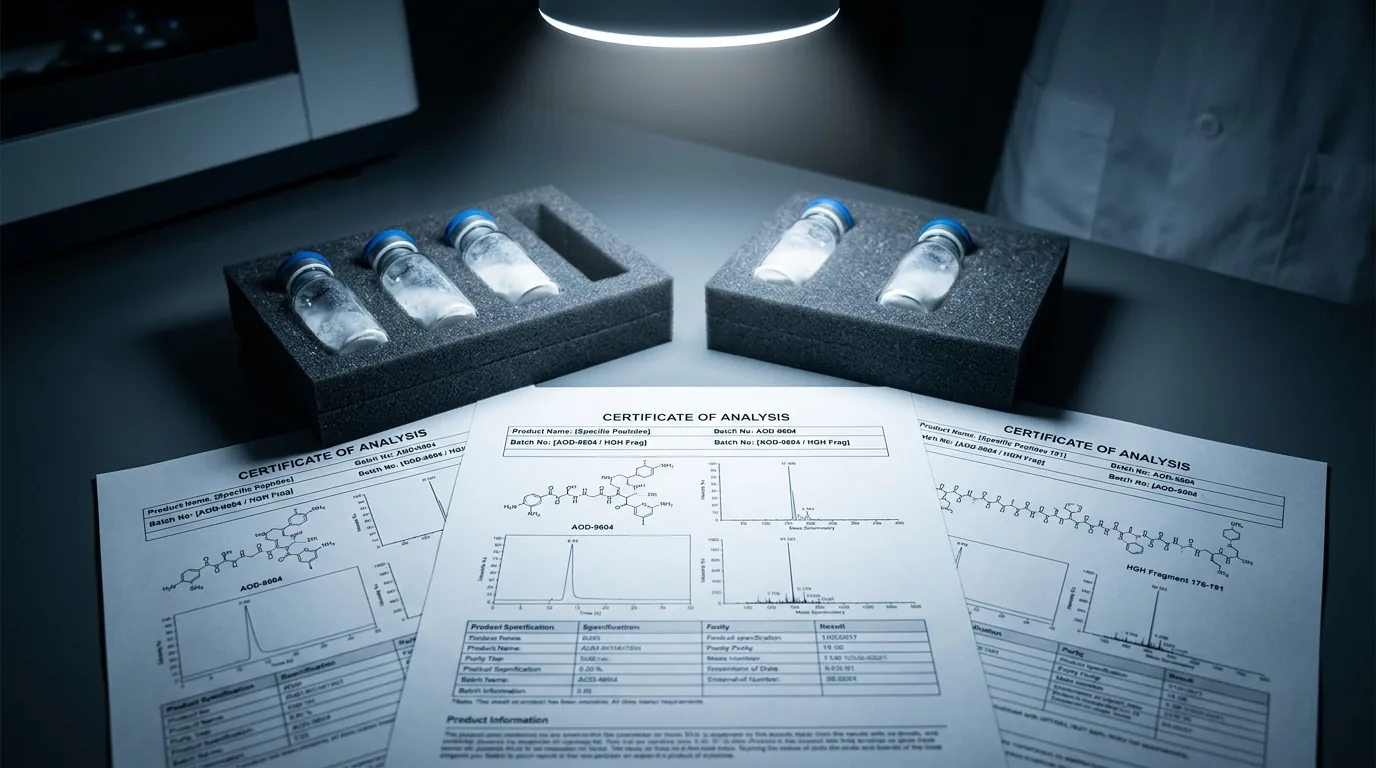
AOD-9604 vs. HGH Fragment 176-191: Structural Comparison
Structural comparison of AOD-9604 (modified HGH fragment with N-terminal tyrosine, MW ~1815 Da) and native HGH Fragment 176-191 (16 amino acids, MW ~1817 Da). Analyzes the tyrosine modification, disulfide bond implications, mass spectrometric differentiation, and stability differences between these closely related growth hormone-derived peptides.
CJC-1295 vs. Ipamorelin: GHRH Analog vs. GHRP Comparison
Structural comparison of CJC-1295 (GHRH analog) and Ipamorelin (ghrelin mimetic) – amino acid count, DAC modification, molecular weight, and purity testing considerations.

Buy Research Peptides in Poland: Verified Vendors & GIF Regulations
Complete guide to purchasing research peptides in Poland. Covers GIF (Główny Inspektorat Farmaceutyczny) oversight, Prawo farmaceutyczne classifications, EU regulatory alignment, verified vendor criteria, Poczta Polska/InPost shipping logistics, VAT considerations, and Polish laboratory procurement standards.
Verified Alternatives to Licensed Peptides
Overview of independently verified research peptide vendors as alternatives to Licensed Peptides, with COA verification data and third-party testing coverage for each.

Buy Research Peptides in the Netherlands: Verified Vendors & Regulations
Complete guide to purchasing research peptides in the Netherlands. Covers Geneesmiddelenwet classifications, RIVM oversight, the Netherlands as an EU peptide distribution hub, verified vendor criteria, PostNL/DHL shipping logistics, BTW considerations, and Dutch laboratory procurement standards.
Tissue Repair Peptides: Research Compounds & Analytical Profiles
Analytical overview of tissue repair research peptides including BPC-157, TB-500 (Thymosin Beta-4), GHK-Cu, and KPV. Covers molecular structures, amino acid sequences, molecular weights, stability profiles, HPLC purity methods, and published research literature references.