

Research Peptide Guides
Learn to read a certificate of analysis, interpret a lab result and look up a peptide batch. Browse research guides, compound profiles and published studies.
Knowledge areas
Scientific Studies Database
Browse peer-reviewed research on peptide compounds with direct links to published literature.
Browse StudiesFrequently Asked Questions
Quick answers to the most common beginner questions about research peptides.
Browse FAQPeptides 1x1
Foundational knowledge about peptides – the essential basics every researcher should know. Start here to build a solid understanding of peptide science.
Blog
Articles, insights, and guides about peptide research, industry trends, and best practices.
News & Updates
Latest research findings, study results, and industry developments in the peptide space.
All Articles
Ipamorelin vs GHRP-6: Growth Hormone Secretagogue Head-to-Head
Ipamorelin vs GHRP-6 compared: selective GHS-R1a agonist vs broad-spectrum secretagogue. Receptor specificity, cortisol effects, GH pulse profiles, and purity standards.
BPC-157 vs GHK-Cu: Tissue Repair Peptide vs Copper Peptide Compared
BPC-157 and GHK-Cu compared: gastric pentadecapeptide vs copper-binding tripeptide. Structure, mechanisms, research areas, stability profiles, and purity standards analyzed.
Cerebrolysin: Complete Research Guide & Chemical Profile
Complete research guide to Cerebrolysin, a porcine brain-derived peptide preparation containing ~25% low-MW peptides and ~75% free amino acids. Covers neuroprotection, TBI/stroke research, and neurotrophic mechanisms.

Dihexa: Complete Research Guide & Chemical Profile
Comprehensive research guide to Dihexa (N-hexanoic-Tyr-Ile-(6)-aminohexanoic amide), an angiotensin IV analog and HGF/c-Met activator. MW ~587 Da, cognitive research, oral bioavailability.
LL-37: Complete Research Guide & Chemical Profile
Comprehensive research guide to LL-37, the only human cathelicidin antimicrobial peptide. Covers MW ~4493 Da, 37-residue sequence, antimicrobial mechanisms, immunomodulation, and wound healing.
Kisspeptin: Complete Research Guide & Chemical Profile
Complete research guide to Kisspeptin-10 (KP-10), a decapeptide GPR54/KISS1R agonist. Covers MW ~1302 Da, GnRH regulation, reproductive neuroendocrinology, and analytical methods.
Hexarelin: Complete Research Guide & Chemical Profile
Comprehensive research guide to Hexarelin (Examorelin), a synthetic hexapeptide GHSR-1a agonist. Covers molecular weight 887.04 Da, sequence, GH release mechanisms, and cardiac research.
GHRP-2: Complete Research Guide & Chemical Profile
Comprehensive chemical profile of GHRP-2 (Pralmorelin), a synthetic hexapeptide growth hormone secretagogue. Covers D-Ala-D-2Nal-Ala-Trp-D-Phe-Lys sequence, GHSR-1a selectivity, and analytical methods.
GHRP-6: Complete Research Guide & Chemical Profile
Comprehensive chemical profile of GHRP-6 (Growth Hormone Releasing Peptide-6), a synthetic hexapeptide ghrelin mimetic. Covers His-D-Trp-Ala-Trp-D-Phe-Lys sequence, GHSR-1a mechanism, and purity testing.
Survodutide: Complete Research Guide & Chemical Profile
Comprehensive chemical profile of survodutide (BI 456906), a dual GLP-1/glucagon receptor agonist by Boehringer Ingelheim. Covers molecular structure, SYNCHRONIZE trials, MASH research, and purity testing.
Orforglipron: Complete Research Guide & Chemical Profile
Comprehensive chemical profile of orforglipron (LY3502970), the first oral non-peptide small-molecule GLP-1 receptor agonist. Covers molecular structure, allosteric binding, ATTAIN trials, and analytical methods.
Retatrutide: Complete Research Guide & Chemical Profile
Comprehensive chemical profile of retatrutide (LY3437943), the first-in-class triple GLP-1/GIP/glucagon receptor agonist. Covers molecular structure, mechanism, TRIUMPH trials, and purity testing.
Local vs Subcutaneous Administration for BPC-157 and TB-500: What Research Shows
Compare local perilesional vs systemic subcutaneous injection for BPC-157 and TB-500. Covers animal study evidence, oral BPC-157 research, systemic distribution, and practical research considerations.
Peptide Cycling: How Long to Research and When to Pause
Peptide cycling as an experimental-design question: receptor desensitization, washout observations and the limits of translating cellular findings into schedules.
How to Spot Peptide Contamination: Cloudiness, Particles, and When to Discard
Learn to identify peptide contamination through visual inspection. Covers cloudiness, particulate matter, color changes, bacterial vs chemical contamination signs, and discard criteria.
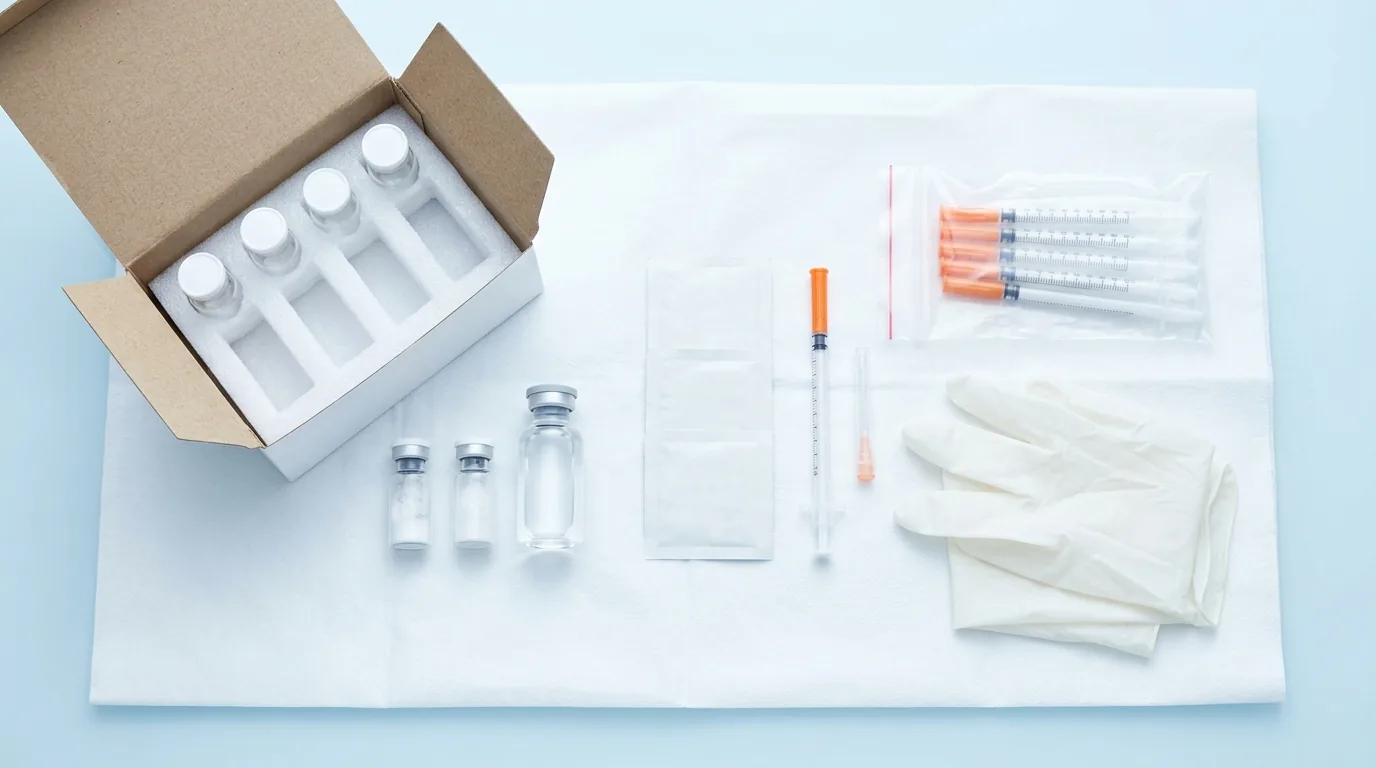
Peptide Cold Chain Interrupted: What Happens When Cooling Breaks
Discover what happens when the peptide cold chain breaks during shipping. Learn temperature excursion limits, lyophilized vs reconstituted stability, visual degradation signs, and when to discard.

Subcutaneous vs Intramuscular Injection: Which Method for Which Peptide?
Compare subcutaneous and intramuscular injection routes for research peptides. Covers absorption differences, needle gauges, and the routes described for BPC-157, HCG, and GHRPs.
How Much Do Research Peptides Cost? Price Factors, Quantity Comparison, and Hidden Costs
Research peptide prices range from $15 to $300+ per vial. Learn what drives cost – purity, synthesis complexity, quantity, shipping, cold chain, and testing – plus how to compare.
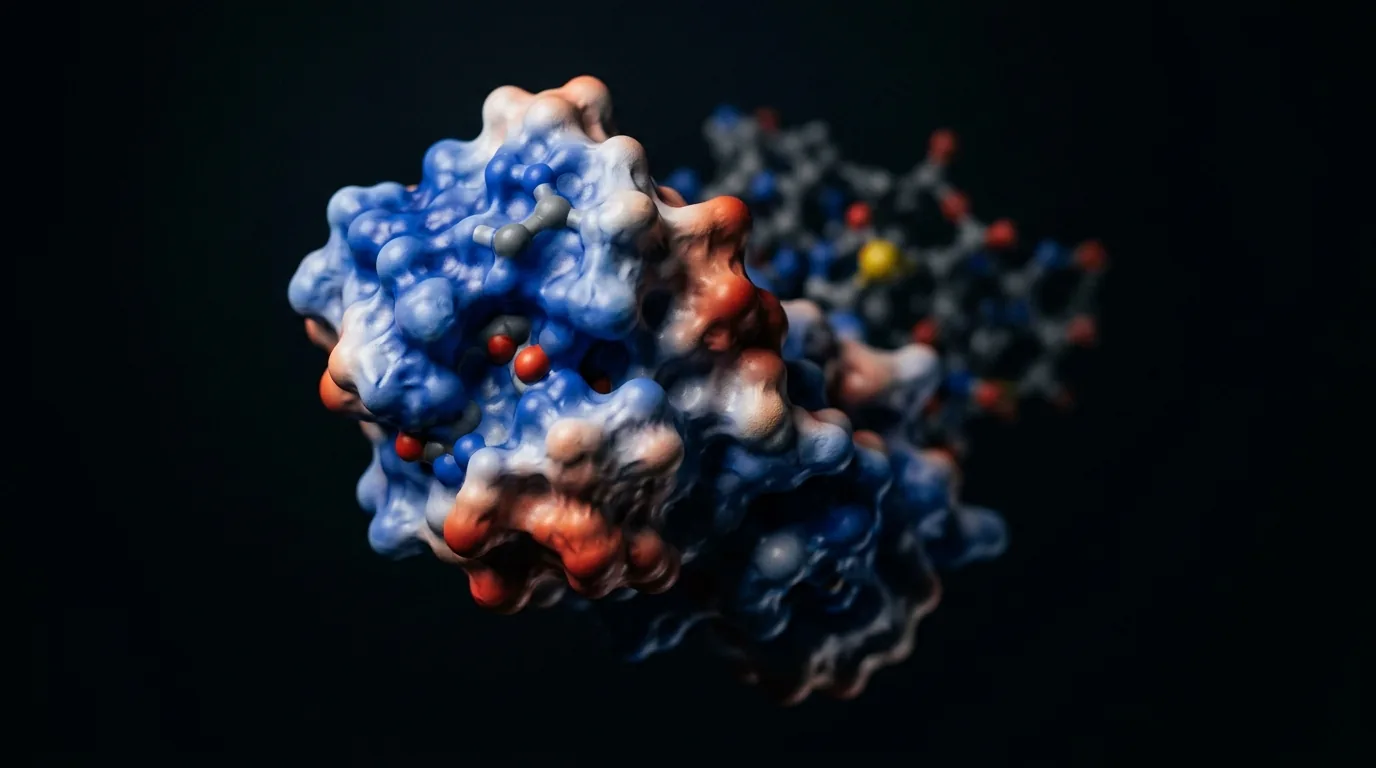
The 6 Peptide Research Categories: Recovery, Metabolic, Cognitive, Anti-Aging, Immune, Hormonal
Explore the six major peptide research categories – recovery, metabolic, cognitive, anti-aging, immune, and hormonal – with example compounds, mechanisms, and clinical evidence.
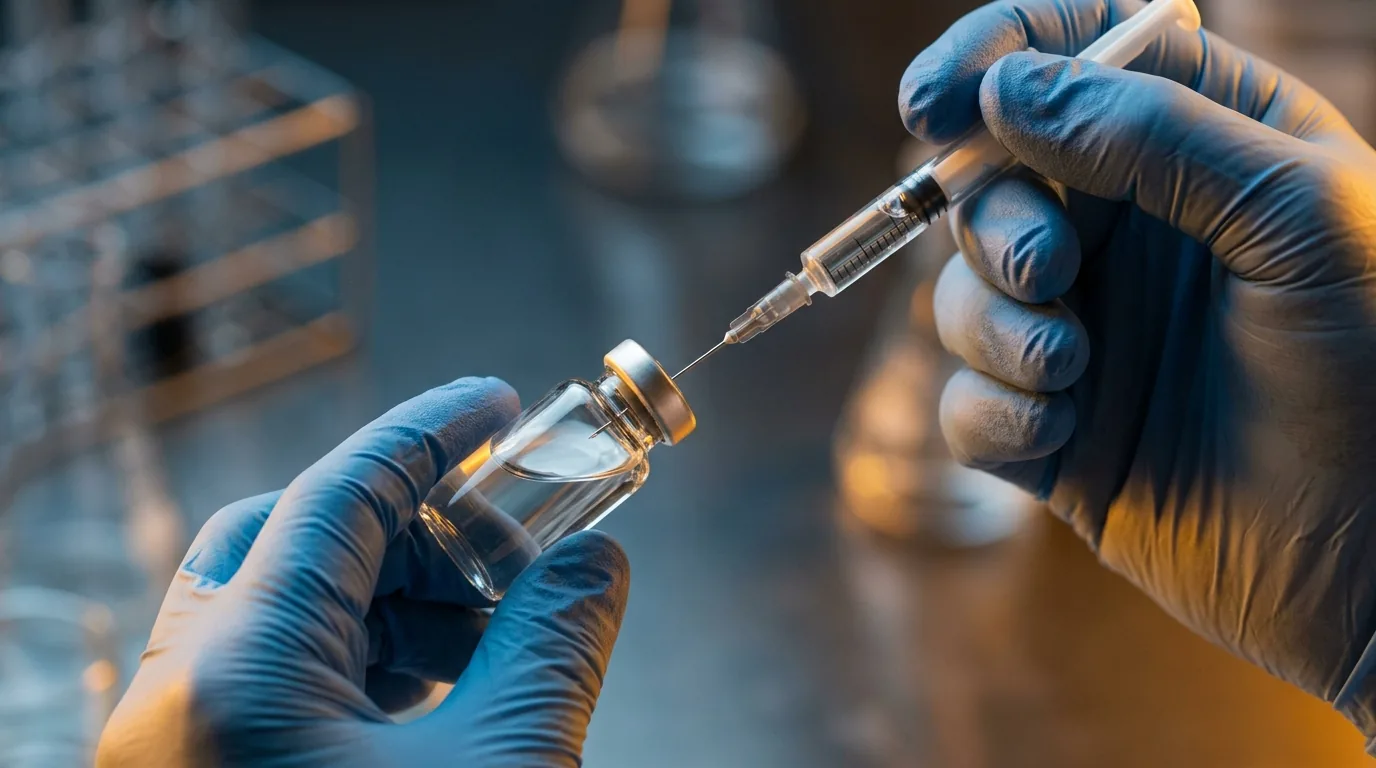
Can You Dilute a Previously Reconstituted Peptide? Risks and Best Practices
Yes, you can add more bacteriostatic water to a reconstituted peptide. Learn the contamination risks, sterile technique requirements, concentration math, and when to start fresh.

How Reconstitution Changes Peptide Stability: What Happens After Mixing
Reconstituting lyophilized peptides triggers hydrolysis, oxidation, and aggregation. Learn how pH, temperature, and storage conditions affect peptide stability after mixing.

Acetate vs Arginate Salt Forms in Peptides: Which Is Better?
A comparative analysis of acetate and arginate counterion salt forms in synthetic peptides, covering their impact on solubility, stability, pH of reconstituted solutions, bioavailability, TFA contamination concerns, and how to identify salt form on a certificate of analysis.
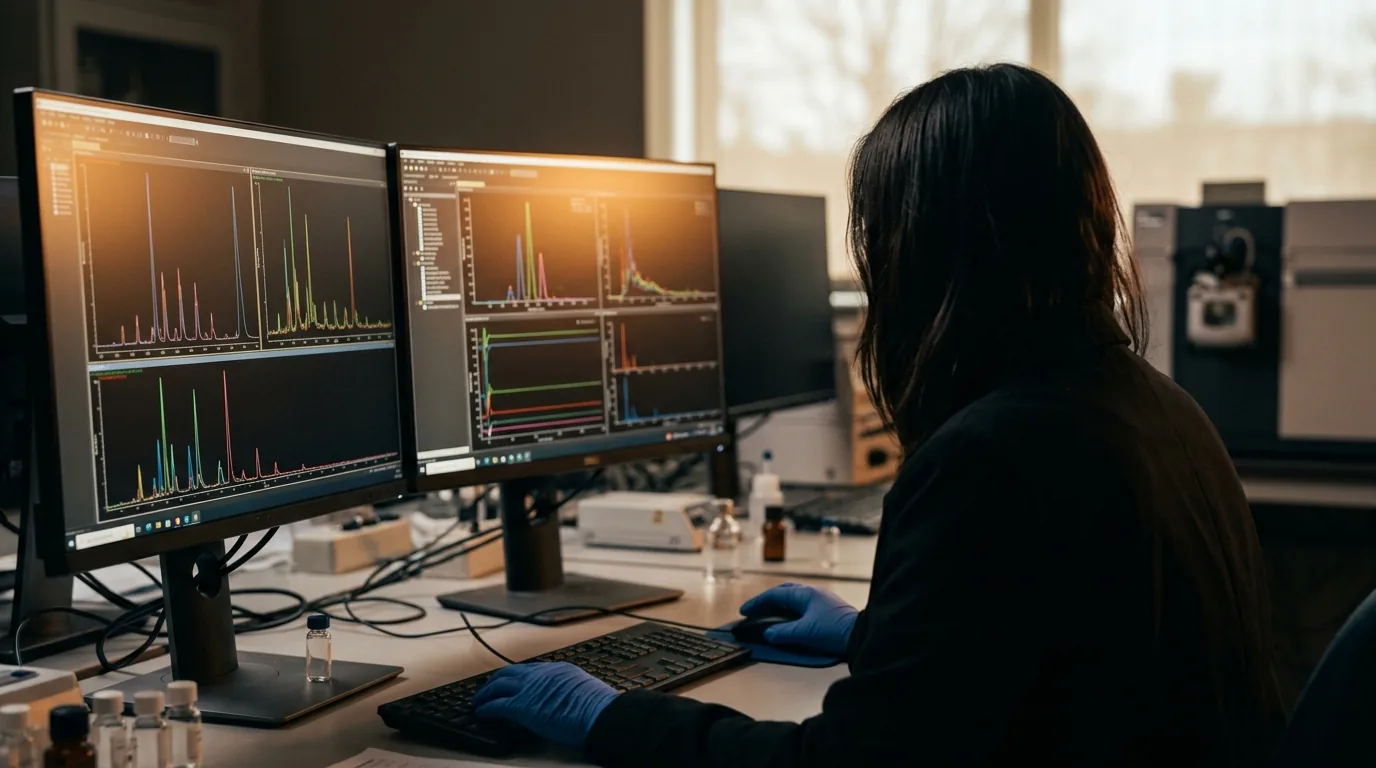
How TB-500 Works Biochemically: Thymosin Beta-4, Actin, and Tissue Repair
TB-500, full-length thymosin beta-4 and the LKKTETQ fragment are distinct material descriptions. This review separates their wound, cardiac and cell-signaling evidence and its experimental limits.
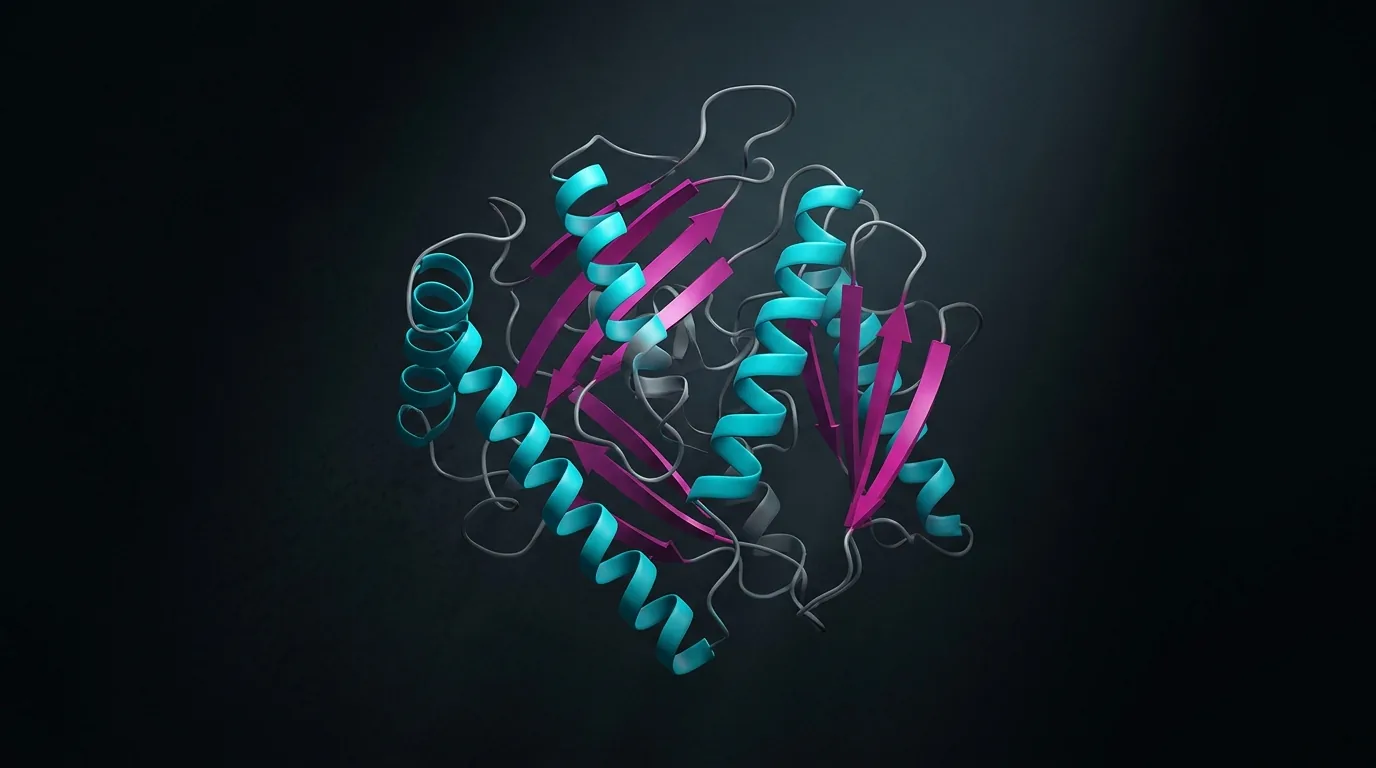
Growth Hormone Secretagogues Explained: How Ipamorelin, CJC-1295 and GHRP-6 Work
A detailed biochemical explanation of growth hormone secretagogues including ipamorelin, CJC-1295, and GHRP-6 – covering GHSR and GHRH receptor mechanisms, pulsatile GH release, selectivity profiles, and synergistic stacking.