

Research Peptide Guides
Learn to read a certificate of analysis, interpret a lab result and look up a peptide batch. Browse research guides, compound profiles and published studies.
Knowledge areas
Scientific Studies Database
Browse peer-reviewed research on peptide compounds with direct links to published literature.
Browse StudiesFrequently Asked Questions
Quick answers to the most common beginner questions about research peptides.
Browse FAQPeptides 1x1
Foundational knowledge about peptides – the essential basics every researcher should know. Start here to build a solid understanding of peptide science.
Blog
Articles, insights, and guides about peptide research, industry trends, and best practices.
News & Updates
Latest research findings, study results, and industry developments in the peptide space.
All Articles
Antimicrobial Peptides: LL-37, Defensins, and the Post-Antibiotic Era
Antimicrobial peptides (AMPs) as antibiotic alternatives: LL-37 cathelicidin, alpha/beta defensins, membrane disruption mechanisms, biofilm activity, and clinical pipeline.

Peptide Stacking Guide: BPC-157 + TB-500 Combination Research
Explore preclinical research on combining BPC-157 and TB-500 peptides. Covers proposed mechanisms, sequence properties, and laboratory study design considerations.
Janoshik Analytics: Why Third-Party Testing Matters for Peptides
Learn why independent third-party testing by labs like Janoshik Analytics is essential for peptide quality verification, and how it protects research integrity.
NAD+ Precursors vs NAD+ Peptides: Which Approach for Cellular Research?
NAD+ precursors (NMN, NR) vs mitochondrial peptides (MOTS-C, Humanin) compared: pathways, mechanisms, bioavailability, and research evidence for cellular aging.

Peptide Dosing Units Explained: mg, mcg, IU – Conversion Guide
Understand peptide measurement units mg, mcg, and IU. Learn unit conversions, why IU varies by peptide, and how to calculate accurate research concentrations from CoA data.
Longevity Peptides 2026: Epithalon, MOTS-C, Humanin and the Science of Aging
Longevity peptides in 2026 research: Epithalon telomerase activation, MOTS-C and Humanin mitochondrial peptides, NAD+ pathways, and senolytic research evidence.
GHK-Cu vs Commercial Copper Peptide Serums: What's the Difference?
Research-grade GHK-Cu vs cosmetic copper peptide serums compared: purity, concentration, COA data, delivery systems, and bioavailability differences explained.
How to Dispose of Unused Peptides Safely: Laboratory Waste Guide
Laboratory guide for safe disposal of unused research peptides. Covers chemical waste classification, decontamination procedures, and regulatory compliance for peptide waste.
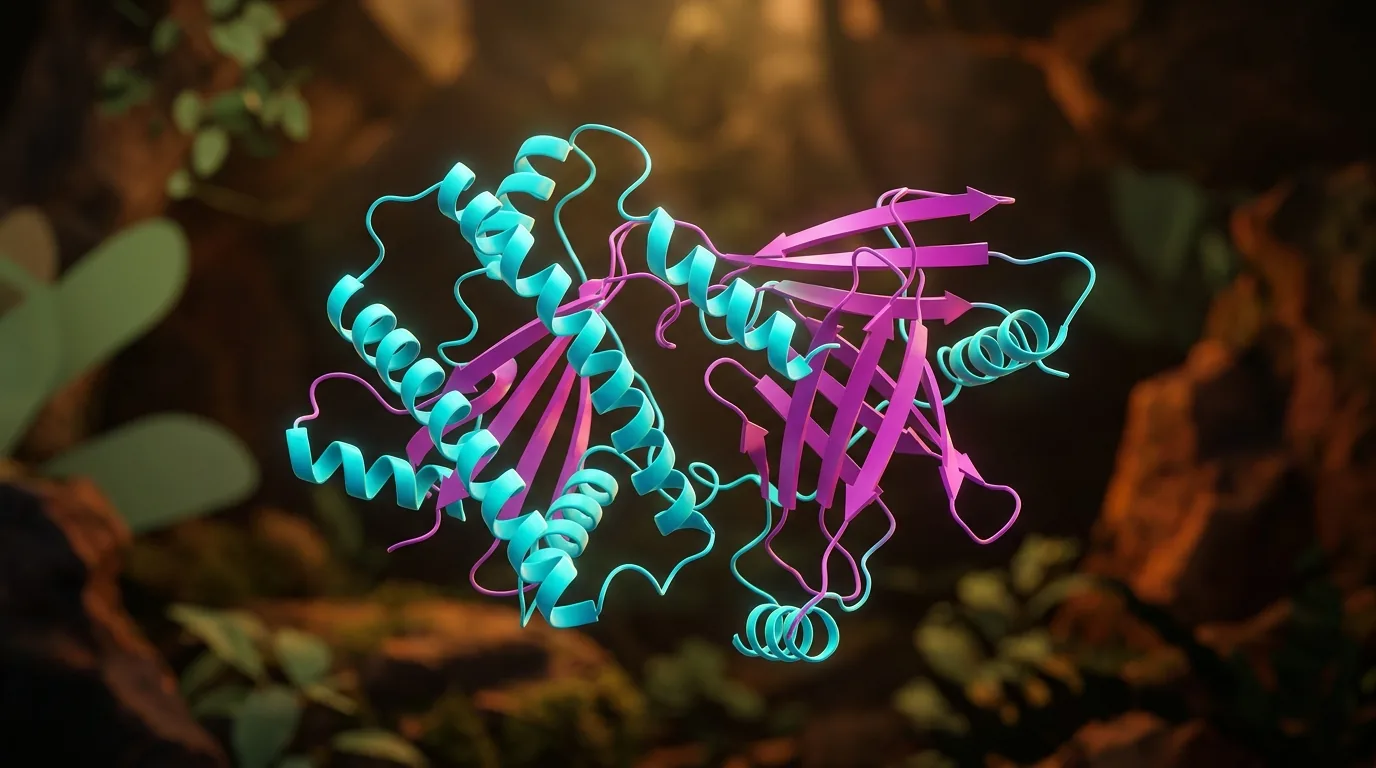
GHK-Cu for Skin Research: Copper Peptide Mechanism Explained
GHK-Cu copper peptide mechanism explained: tripeptide structure, copper binding, collagen stimulation, TGF-beta modulation, and gene expression research findings.
Peptide Side Effects in Research: What the Literature Reports
Review of published research literature on adverse effects observed in peptide studies. Covers preclinical findings, clinical trial safety data, and immunogenicity considerations.
What Is Lyophilization? How Freeze-Drying Preserves Peptides
Understand lyophilization (freeze-drying) and why it is the gold standard for peptide preservation. Covers the science of sublimation, cake structure, and storage stability.
How to Calculate Peptide Doses from Reconstituted Solutions
Step-by-step guide to calculating peptide amounts from reconstituted solutions. Covers concentration formulas, insulin syringe tick marks, mcg-to-unit conversions, worked examples, and common mistakes.
Peptide Expiration: Can You Use Expired Research Peptides?
Understand peptide expiration dates, shelf life of lyophilized vs reconstituted peptides, and degradation indicators. Learn when expired research peptides may still be usable.
Peptide International Shipping: How to Order Without Quality Loss
Guide to international peptide shipping for researchers. Covers cold chain requirements, gel packs vs dry ice, customs declarations, regional import regulations, packaging standards, and arrival checks.
What Happens If You Shake a Peptide Vial? Why Swirling Matters
Learn why shaking peptide vials causes aggregation and foam, degrading research compounds. Discover the correct gentle swirling technique for peptide reconstitution.
Insulin Syringes for Peptides: Gauge, Volume, and Selection Guide
Complete guide to selecting insulin syringes for peptide research. Covers U-100 vs U-40 calibration, needle gauges 28G-31G, syringe volumes 0.3-1.0 mL, dead space, and single-use protocols.
Peptide Vial Sizes Explained: 2mg, 5mg, 10mg – How to Choose
Understand peptide vial sizes from 2mg to 10mg. Learn how to choose the right quantity based on your research protocol, solubility requirements, and budget considerations.
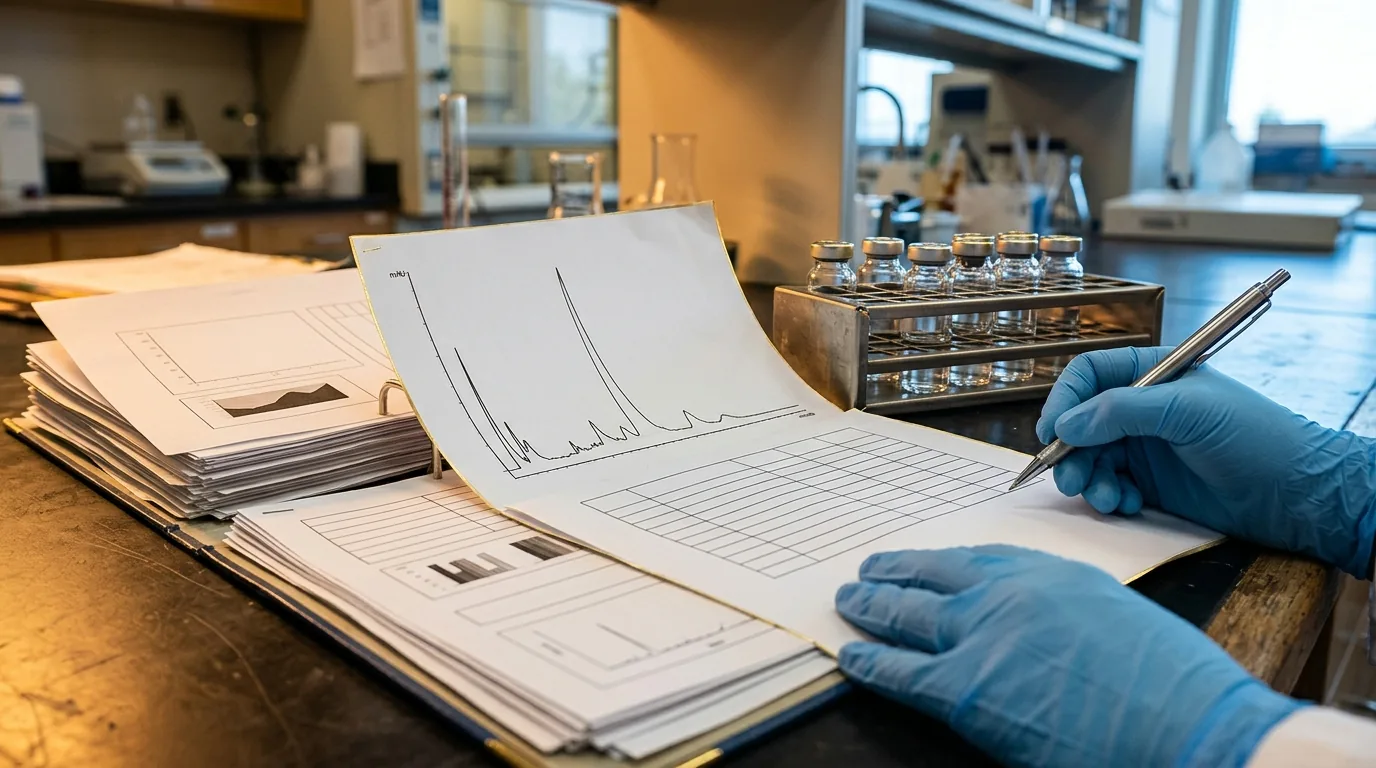
How to Read HPLC Chromatograms: A Visual Guide for Beginners
Read the axes of an HPLC chromatogram, locate retention times and compare peak height with peak area. See how the report calculates area percentages.
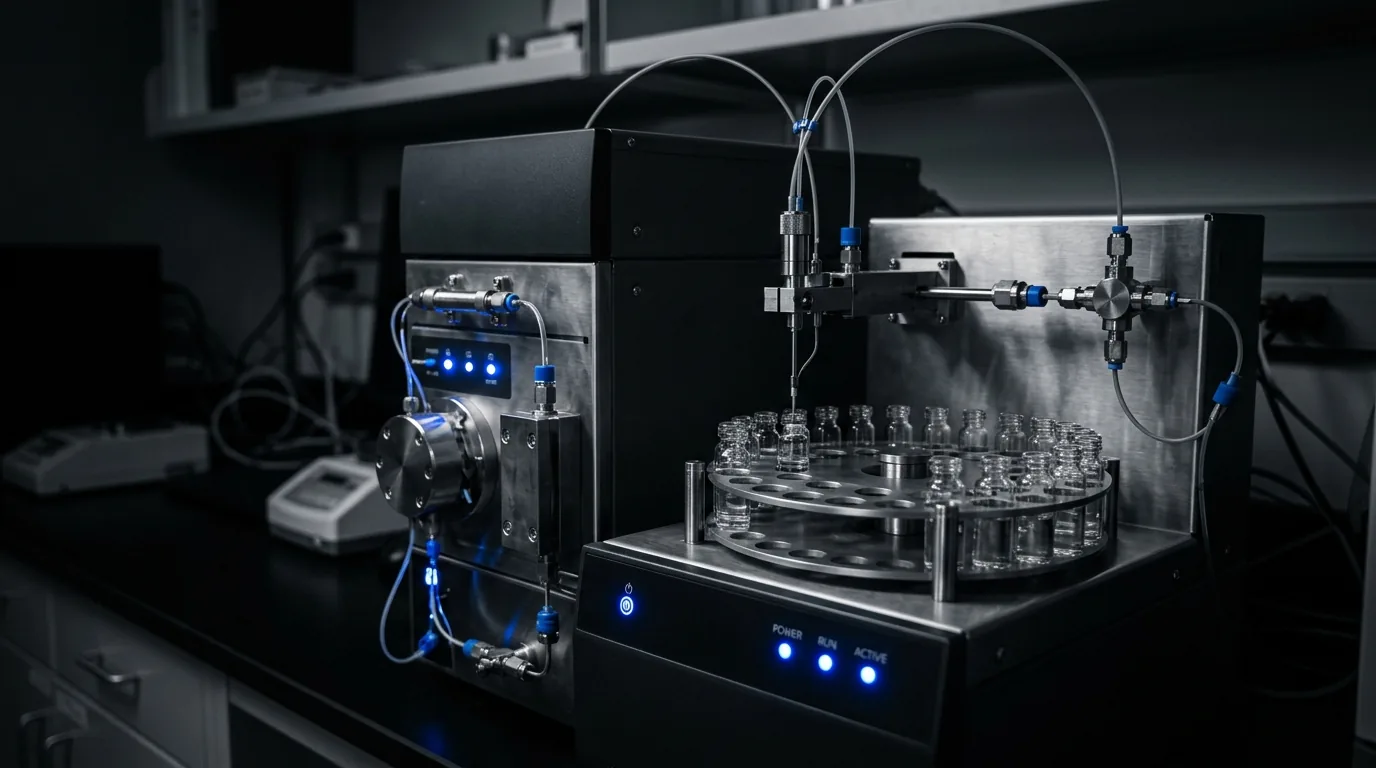
Peptide Purity 95% vs 98% vs 99%: Does It Matter?
What do 95%, 98% and 99% mean on a peptide purity report? Compare HPLC peak areas and the evidence behind the reported grade.
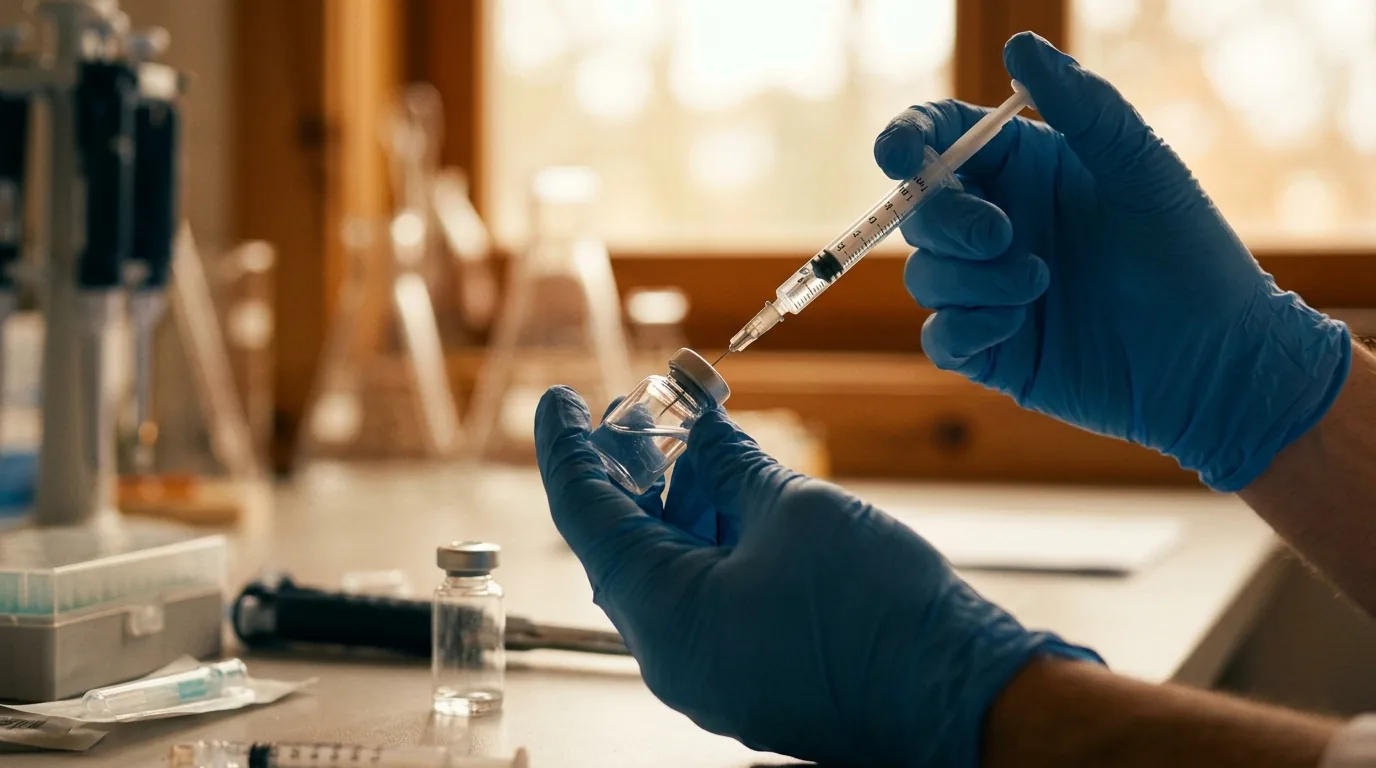
Peptide Reconstitution Calculator: How to Calculate Your Concentration
Learn how to calculate peptide concentration after reconstitution. Covers the mg/mL formula, unit conversions from mcg to mg and IU, common vial sizes, and worked examples with BAC water volumes.
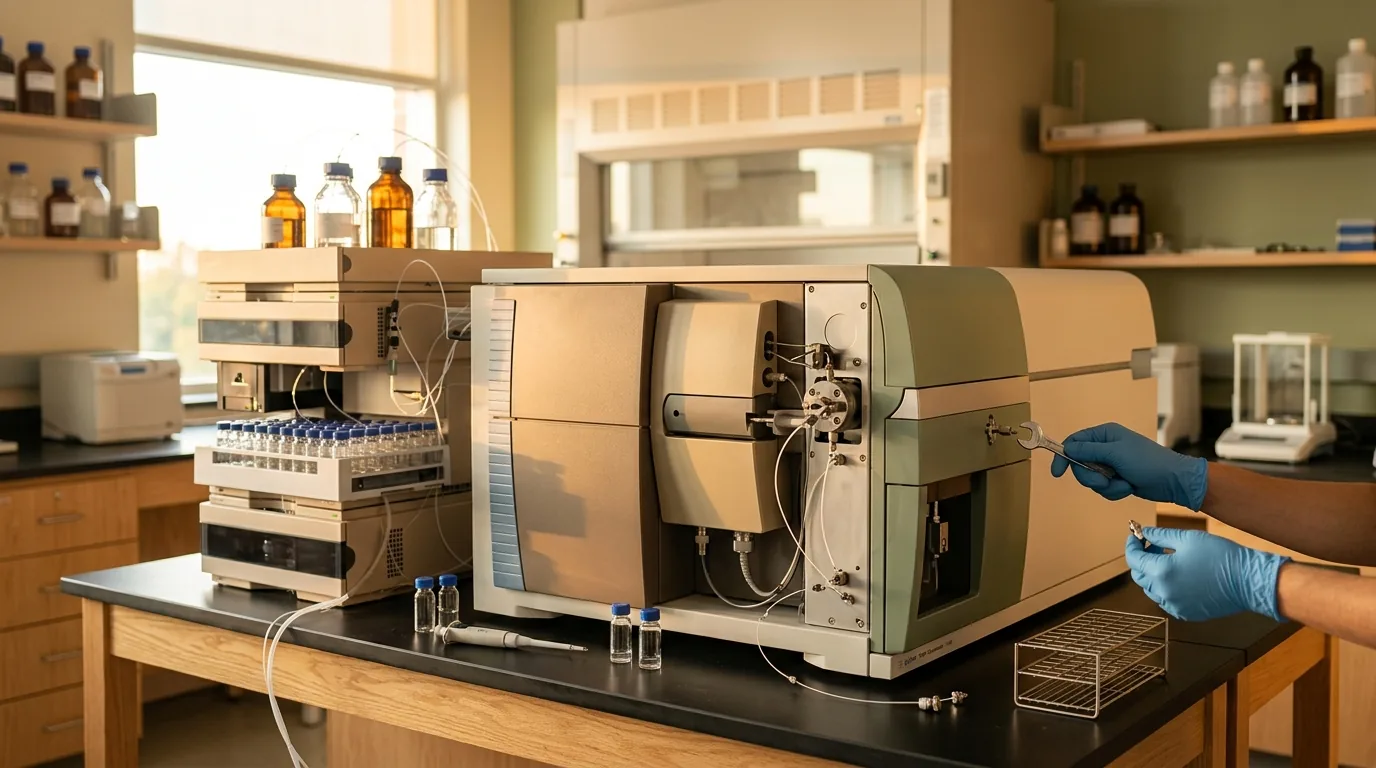
Epithalon vs GHK-Cu: Anti-Aging Peptide Research Comparison
Epithalon vs GHK-Cu anti-aging research compared. Telomerase activation vs copper-dependent gene regulation, telomere extension vs collagen synthesis, and distinct aging mechanisms.
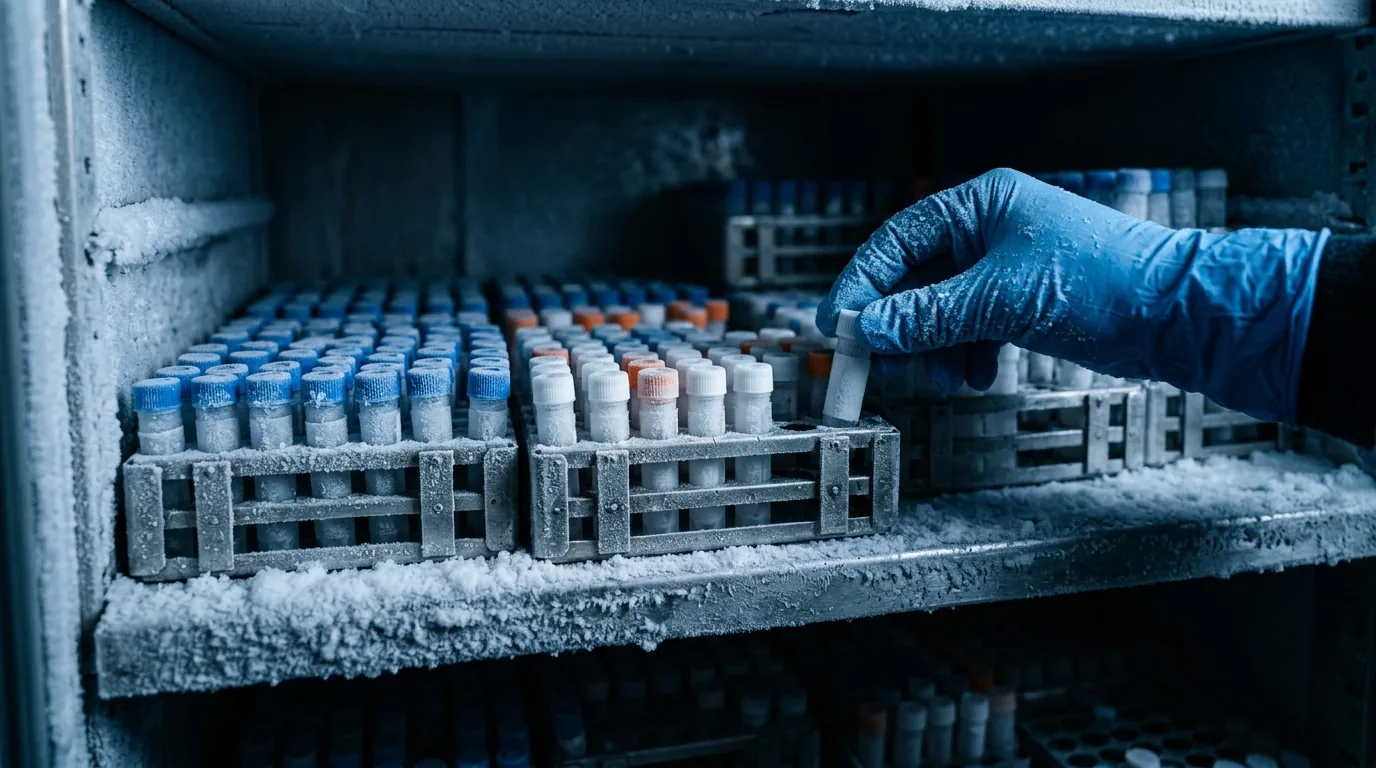
How to Travel with Research Peptides: TSA, Customs, and Cold Chain
Guide to transporting research peptides through TSA checkpoints, international customs, and maintaining cold chain integrity. Covers documentation, packaging, and regulations.
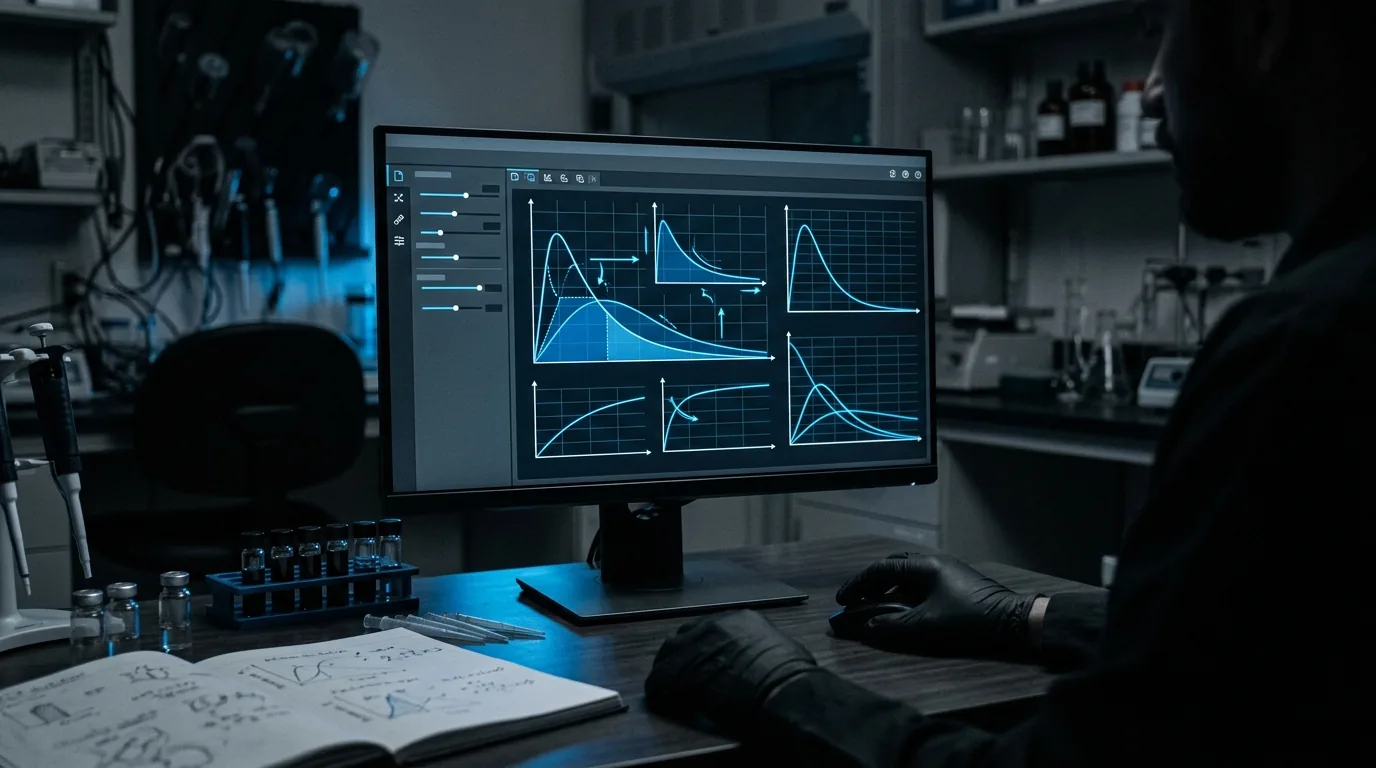
Oral vs Injectable Semaglutide: Formulation and Bioavailability Compared
Oral semaglutide (Rybelsus/SNAC) vs injectable (Ozempic/Wegovy) compared. ~1% vs ~89% bioavailability, SNAC absorption enhancer, dosing, and 25mg oral formulation analyzed.
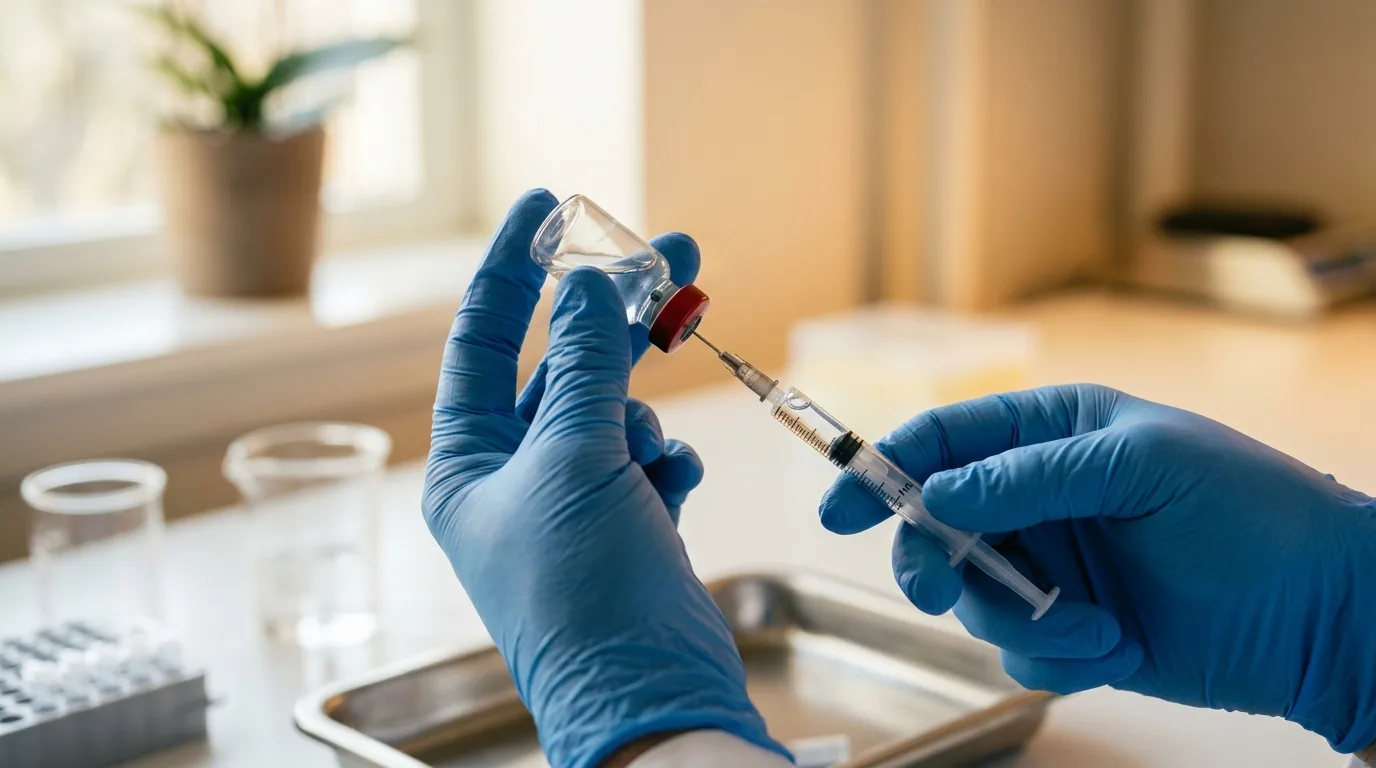
Peptide Water: Bacteriostatic vs Sterile vs Distilled – Which to Use
Compare bacteriostatic water, sterile water, and distilled water for peptide reconstitution. Learn which solvent preserves peptide stability and prevents contamination.