

Research Peptide Guides
Learn to read a certificate of analysis, interpret a lab result and look up a peptide batch. Browse research guides, compound profiles and published studies.
Knowledge areas
Scientific Studies Database
Browse peer-reviewed research on peptide compounds with direct links to published literature.
Browse StudiesFrequently Asked Questions
Quick answers to the most common beginner questions about research peptides.
Browse FAQPeptides 1x1
Foundational knowledge about peptides – the essential basics every researcher should know. Start here to build a solid understanding of peptide science.
Blog
Articles, insights, and guides about peptide research, industry trends, and best practices.
News & Updates
Latest research findings, study results, and industry developments in the peptide space.
All Articles
TFA vs. Acetate vs. HCl: Peptide Salt Forms Compared
Comprehensive comparison of trifluoroacetate (TFA), acetate, and hydrochloride (HCl) peptide counter-ion salt forms – impact on solubility, cell toxicity in bioassays, net peptide content, and analytical considerations.
Peptide Sequence Notation: One-Letter Codes, Three-Letter Codes, and Modifications
Complete guide to peptide sequence notation systems – IUPAC one-letter and three-letter amino acid codes, N-terminal and C-terminal modifications, non-standard amino acids, and reading sequences on Certificates of Analysis.
Certificate of Analysis Red Flags: How to Spot Unreliable CoAs
Check a certificate of analysis for missing lot details, inconsistent specifications and unexplained peaks. Identify what to ask the issuing laboratory.

Peptide Reconstitution Math: Calculating Concentrations, Volumes, and Dilutions
Step-by-step guide to reconstitution calculations for research peptides – converting between mass, moles, and concentration units, accounting for net peptide content, and preparing accurate serial dilutions.
Research Peptide Regulations by Country: A Comparative Overview
Comparative overview of research peptide regulatory frameworks across the United States, European Union, United Kingdom, Australia, Canada, and other jurisdictions – import requirements, scheduling status, and research use classifications.
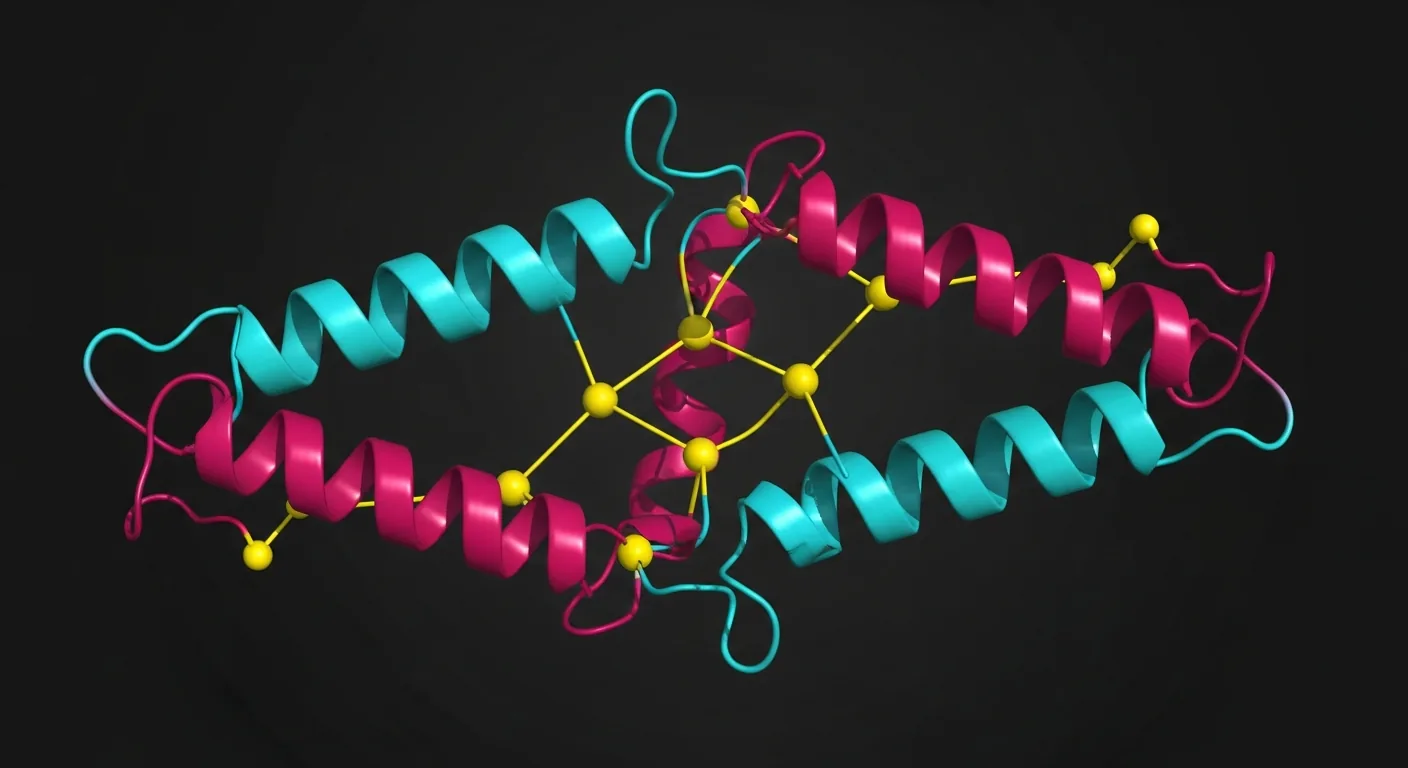
Disulfide Bond Formation in Synthetic Peptides: Chemistry, Methods, and Verification
Technical guide to disulfide bond formation in research peptides – cysteine oxidation chemistry, regioselective strategies for multiple disulfide bonds, orthogonal protection schemes, and analytical verification methods.

Endotoxin Testing for Research Peptides: LAL Assay Methods Explained
Technical overview of the Limulus Amebocyte Lysate (LAL) assay for endotoxin detection in research peptides – gel-clot, turbidimetric, and chromogenic methods, acceptance criteria, and interpreting test results.

Net Peptide Content vs. Gross Weight: What the Numbers Mean
Understanding the difference between gross weight and net peptide content – how counter-ions, residual moisture, and acetate/TFA salts affect the actual peptide mass, and how to calculate accurate concentrations.

Peptide Storage Conditions: Temperature, Humidity, and Container Guidelines
Evidence-based guidelines for storing lyophilized and reconstituted research peptides – temperature ranges, humidity control, container selection, light protection, and degradation pathway prevention.
ESI vs. MALDI Mass Spectrometry for Peptide Analysis
Compare ESI and MALDI spectra for peptides. A worked m/z example shows how charge changes a peak and what a mass match can establish on a COA.

HPLC Column Selection Guide for Peptide Analysis
Compare C18, C8 and C4 columns for peptide HPLC. See how the stationary phase, pore size and particle size affect chromatographic separation.
Peptide Solubility Guide: Choosing the Right Solvent for Your Research
Practical laboratory guide for dissolving research peptides. Covers solvent selection based on peptide charge and hydrophobicity, pH effects, co-solvent strategies, and troubleshooting insoluble peptides.
Amino Acid Table: Codes, Properties, Masses and pKa
Look up codes and masses for all 20 standard amino acids. Compare pKa values for six free amino acids at 25 °C with values for groups in model peptides.

Peptide Stability and Degradation Pathways: A Laboratory Reference Guide
Comprehensive guide to peptide degradation mechanisms including oxidation, deamidation, hydrolysis, racemization, and aggregation. Covers prevention strategies, susceptible residues, and analytical detection methods.
How to Read a Certificate of Analysis (CoA): A Step-by-Step Guide for Researchers
Read a certificate of analysis (COA). Match the batch number, interpret HPLC purity and follow a worked example of a +4 ppm mass difference.
Peptide Research Glossary: 60+ Terms Every Laboratory Researcher Should Know
Comprehensive glossary of peptide research terminology covering analytical chemistry, synthesis methods, quality control, and laboratory techniques. An essential reference for researchers working with synthetic peptides.

Research Peptide Vendor Verification: The Complete Quality Checklist
A systematic, evidence-based checklist for evaluating research peptide suppliers. Covers CoA verification, testing standards, transparency indicators, and warning signs of unreliable vendors.
Complete Guide to Peptide Purity Testing: HPLC, Mass Spectrometry & CoA Verification
Read a peptide purity report using HPLC peak area, mass spectra and amino acid analysis. A worked example shows what 99% peak area tells you about a sample.

GLP-1 Receptor Agonists Demonstrate Cardiorenal Protection in Chronic Kidney Disease: Meta-Analysis
A systematic review and meta-analysis of 9 trials involving over 21,000 patients confirms that GLP-1 receptor agonist peptides significantly reduce adverse kidney and cardiovascular events in chronic kidney disease.
Cyclic Lipopeptides: Biosurfactant Peptides as Next-Generation Drug Delivery Modulators
A 2026 review explores how cyclic lipopeptides – peptide-based biosurfactants produced via microbial fermentation – serve dual roles as both structural building blocks and bioactive compounds in advanced nanocarrier delivery systems.
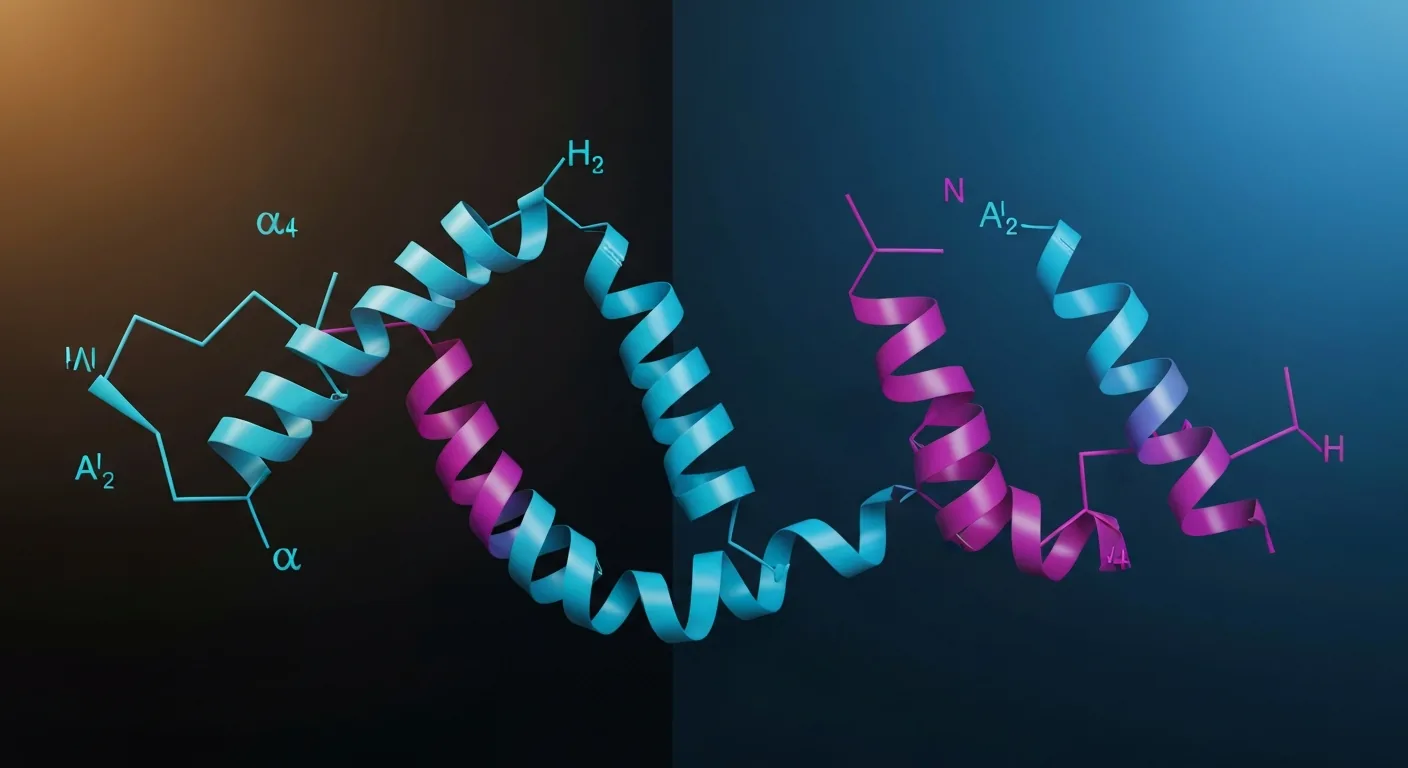
Re-Engineering Insulin for Oral Delivery: Structural Modifications and Formulation Advances
A comprehensive 2026 review examines cutting-edge strategies to overcome the challenges of oral insulin delivery, including PEGylation, lipidation, cyclization, and nanocarrier technologies that enhance peptide stability and bioavailability.
Microneedle-Delivered Peptide Decoy Receptors Show Promise in Psoriasis Treatment
A 2026 study introduces engineered cell-membrane vesicles expressing IL-17RA as peptide-based decoy receptors, delivered via dissolving microneedles, demonstrating significant reduction in psoriasis severity in preclinical models.
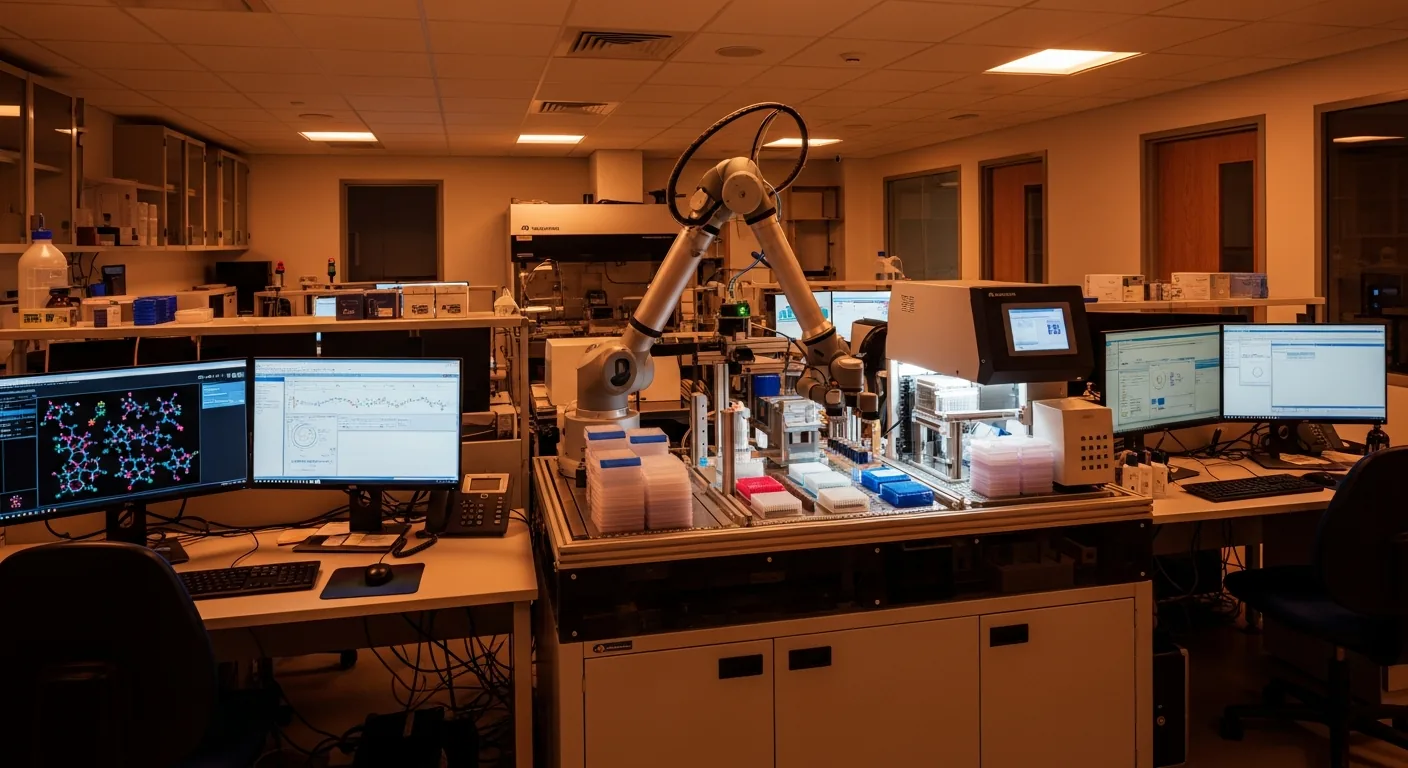
AI-Guided High-Throughput Screening Accelerates Antimicrobial Peptide-Mimicking Polymer Discovery
Researchers at Zhejiang University combined machine learning with automated high-throughput synthesis to efficiently discover antimicrobial polymers that mimic the action of natural antimicrobial peptides, screening over 13,000 candidates to find top performers.

RFK Jr. Signals Reversal of Peptide Ban: 14 of 19 Restricted Compounds May Return
Health Secretary RFK Jr. announces potential reversal of FDA peptide restrictions, with 14 compounds possibly returning to legal compounding pharmacies within weeks.