

Research Peptide Guides
Learn to read a certificate of analysis, interpret a lab result and look up a peptide batch. Browse research guides, compound profiles and published studies.
Knowledge areas
Scientific Studies Database
Browse peer-reviewed research on peptide compounds with direct links to published literature.
Browse StudiesFrequently Asked Questions
Quick answers to the most common beginner questions about research peptides.
Browse FAQPeptides 1x1
Foundational knowledge about peptides – the essential basics every researcher should know. Start here to build a solid understanding of peptide science.
Blog
Articles, insights, and guides about peptide research, industry trends, and best practices.
News & Updates
Latest research findings, study results, and industry developments in the peptide space.
All Articles
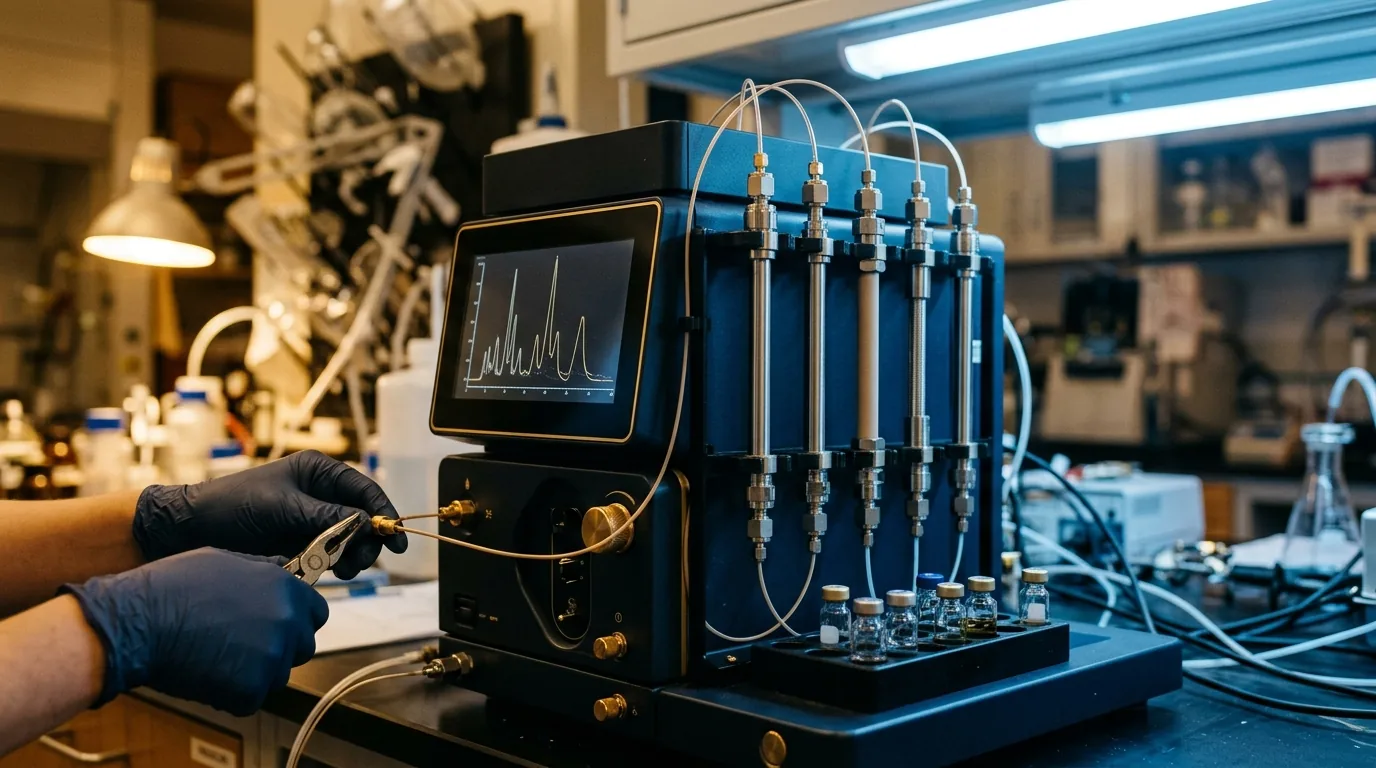
Peptide Impurities: Deletion Sequences, Truncations, and How to Detect Them
Understand common peptide synthesis impurities including deletion sequences, truncations, and side products. Learn detection methods via HPLC, MS, and amino acid analysis.
GLP-2 (Glucagon-Like Peptide-2): Research Guide & Chemical Profile
Complete research guide to GLP-2 (Glucagon-Like Peptide-2), a 33-amino-acid intestinal growth factor. Covers GLP-2R agonism, gut mucosal repair, teduglutide analog, and short bowel syndrome research.
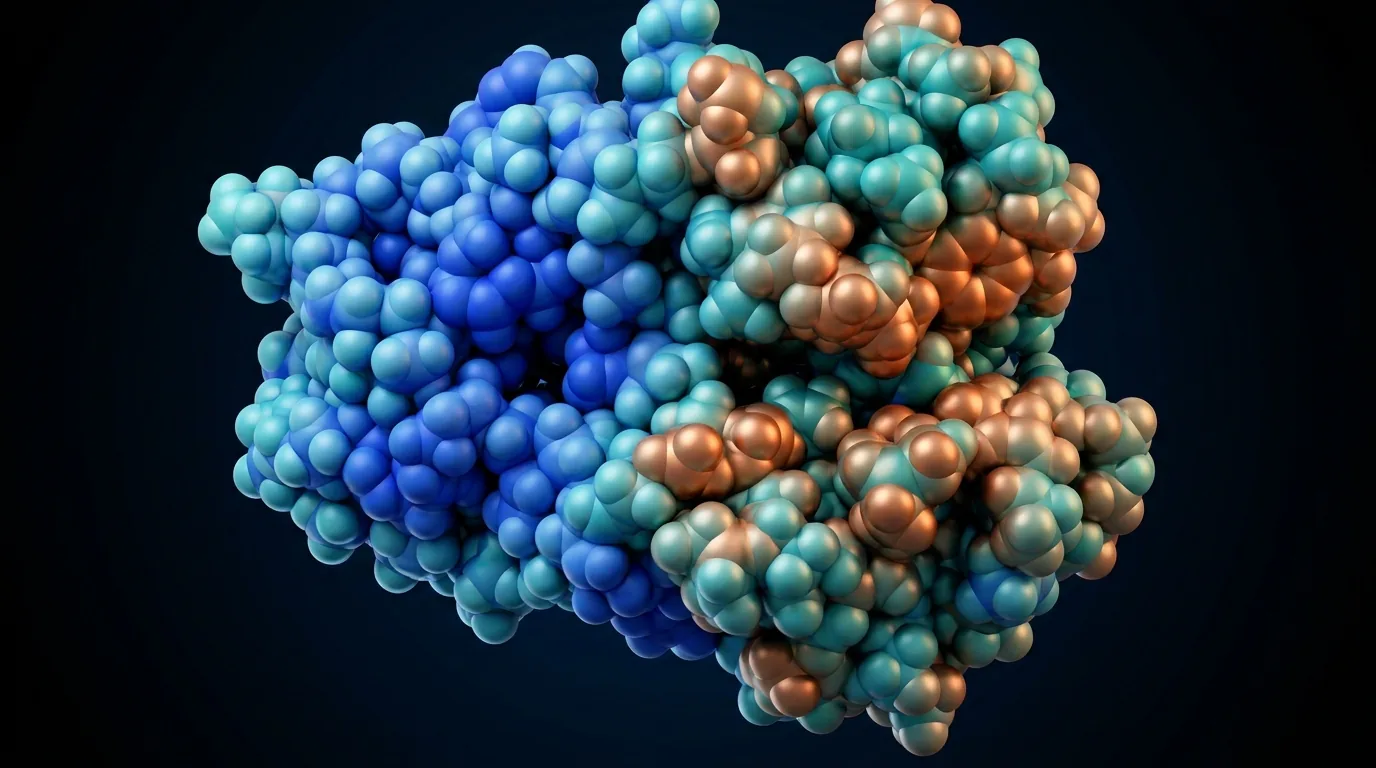
Adipotide (CKGGRAKDC-GG-D(KLAKLAK)2): Research Guide
Research guide to Adipotide (CKGGRAKDC-GG-D(KLAKLAK)2), a chimeric peptide targeting prohibitin on adipose vasculature. Covers primate weight loss data, apoptosis in fat tissue blood vessels, and mechanisms.
What Is Bioavailability? Why Not All of Your Peptide Reaches the Target
Learn what bioavailability means for research peptides, why only a fraction reaches the target site, and which factors like route, metabolism, and formulation affect it.
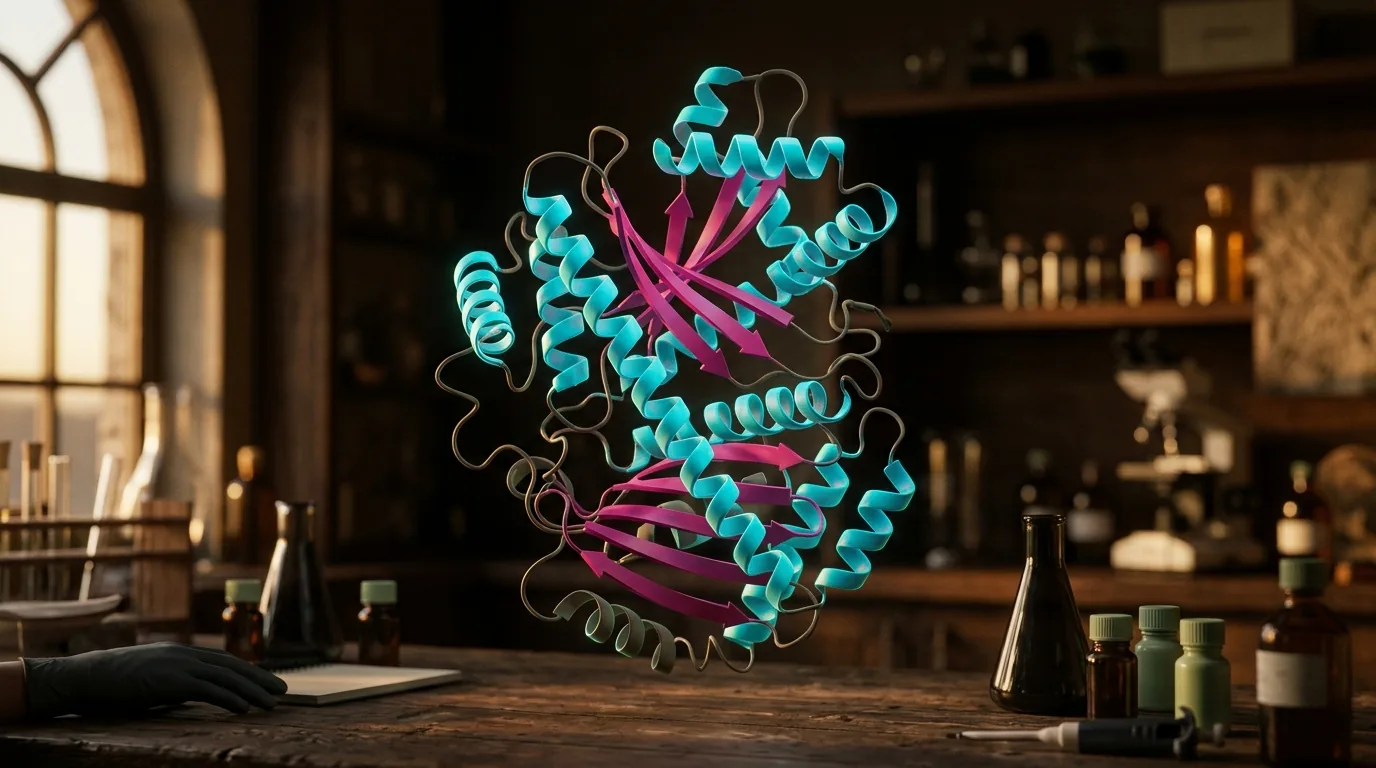
Peptide Receptor Binding: How Lock-and-Key Signaling Works
Explore how peptides bind to cellular receptors through lock-and-key and induced-fit models. Covers binding affinity, selectivity, signal transduction, and research methods.
AICAR: Complete Research Guide & Chemical Profile
Complete research guide to AICAR (5-aminoimidazole-4-carboxamide ribonucleoside), a potent AMPK activator and adenosine analog. Covers exercise mimetic research, MW 258.23, and metabolic pathway modulation.
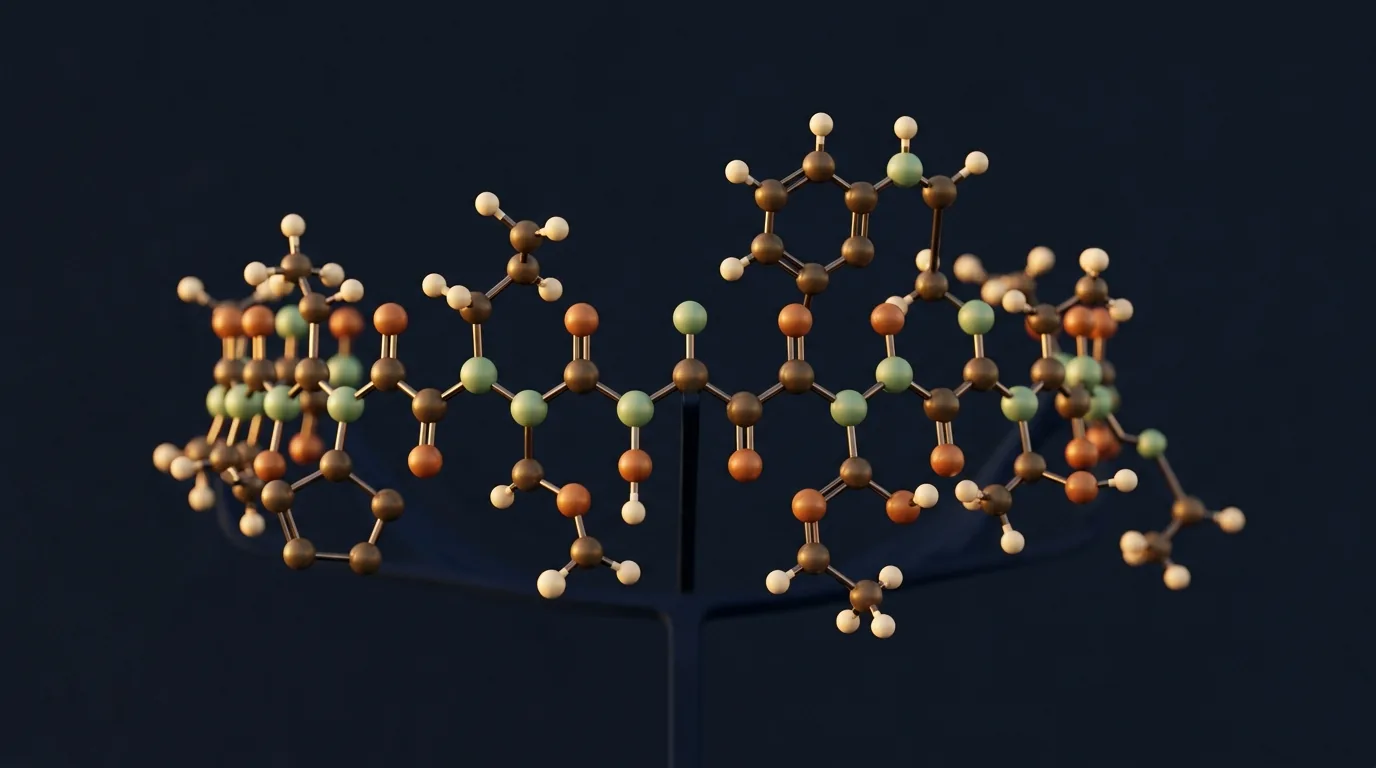
Humanin: Complete Research Guide & Chemical Profile
Complete research guide to Humanin (HN), a 24-amino-acid mitochondrial-derived peptide. Covers cytoprotective mechanisms, IGFBP-3 binding, apoptosis inhibition, and Alzheimer/diabetes research.
CJC-1295 DAC vs CJC-1295 (No DAC): Complete Comparison
Complete comparison of CJC-1295 with DAC vs without DAC (Mod GRF 1-29). Covers Drug Affinity Complex half-life extension, albumin binding, continuous vs pulsatile GH release, and research protocols.
BPC-157 vs Pentadeca Arginate (PDA): Same Peptide, Different Salt
Compare BPC-157 acetate and Pentadeca Arginate (PDA) arginine salt. Learn how salt forms affect stability, solubility, molecular weight, and research applications.

Adamax (Semax + Adamantane): Research Guide & Chemical Profile
Adamax and Semax: distinguish proposed chemical modifications from measured evidence, and check which compound each published experiment actually tested.
Understanding Peptide CAS Numbers: What They Are and How to Use Them
Learn what CAS numbers are, how they identify peptides uniquely, why some peptides lack CAS numbers, and how to use CAS registry for research verification.
Peptide Solubility Problems: What to Do When Your Peptide Won't Dissolve
Troubleshoot peptide solubility issues in the lab. Learn why peptides won't dissolve, which solvents to try, and step-by-step protocols for difficult peptides.
P-21 (P021): Research Guide & Chemical Profile
Complete research guide to P-21 (P021), a CNTF-derived small molecule peptide mimetic investigated for BDNF/TrkB pathway activation, hippocampal neurogenesis, and cognitive decline in Alzheimer's models.

What Is HPLC? High-Performance Liquid Chromatography for Beginners
Learn what HPLC is, how high-performance liquid chromatography works, why it is used to determine peptide purity, and how to read HPLC results on a COA.

PE-22-28 (Spadin): Research Guide & Chemical Profile
Complete research guide to PE-22-28 (Spadin), a synthetic heptapeptide TREK-1 channel blocker investigated for antidepressant-like activity, hippocampal neurogenesis, and rapid-onset mechanisms.

Thymalin: Complete Research Guide & Chemical Profile
Complete research guide to Thymalin (Glu-Trp dipeptide), a thymic bioregulator peptide investigated for immune modulation, T-cell differentiation, and aging research by Khavinson and colleagues.
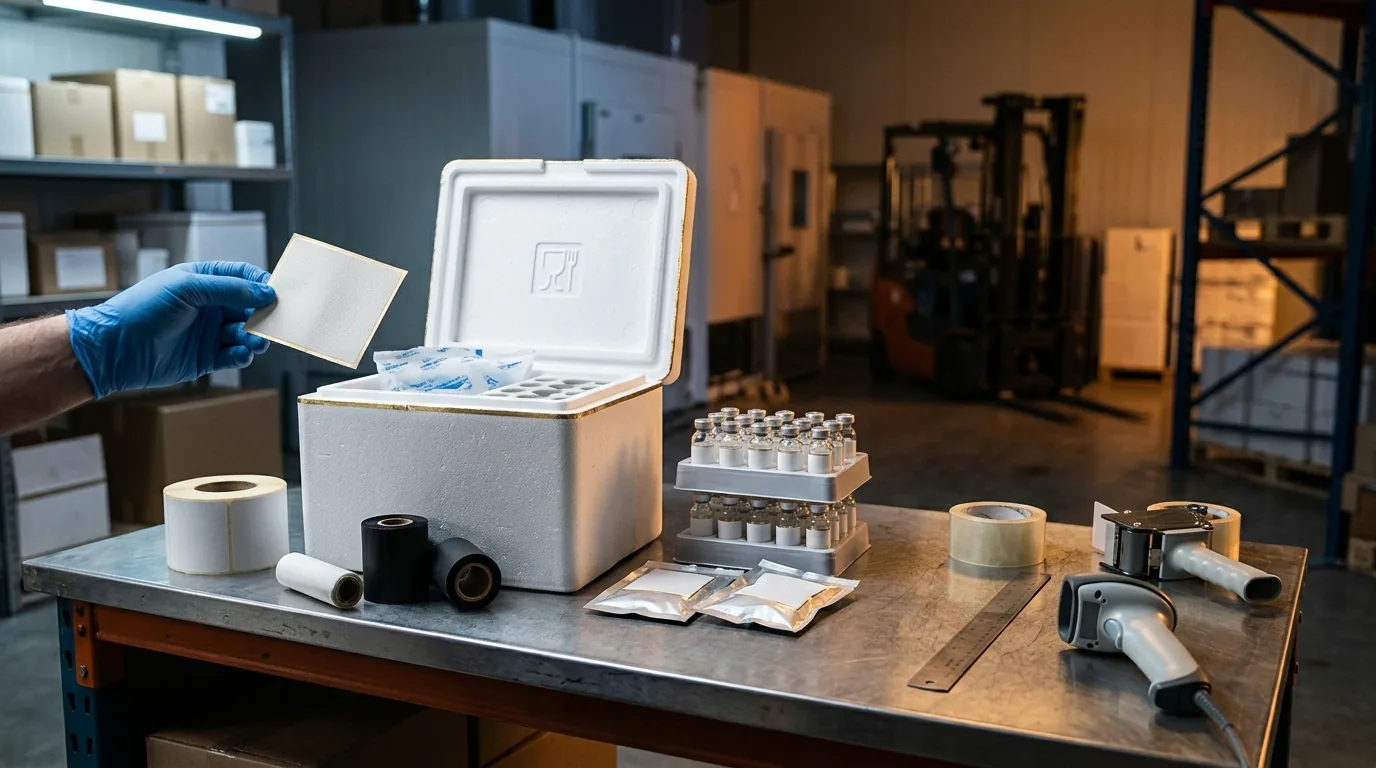
Peptide Vendor Shipping Times: Europe, USA, UK Compared
Compare peptide vendor shipping times across Europe, the USA, and UK. Learn about customs delays, cold-chain shipping, and how to plan orders for timely delivery.

First Time Using Peptides in Research? A Step-by-Step Starter Guide
A complete beginner guide to using research peptides in the laboratory. Covers vendor selection, COA verification, storage, reconstitution, and safety basics.

Pinealon: Complete Research Guide & Chemical Profile
Pinealon (Glu-Asp-Arg): chemical identity and the scope of published cell and rat studies, with distinctions from pineal extracts and melatonin claims.
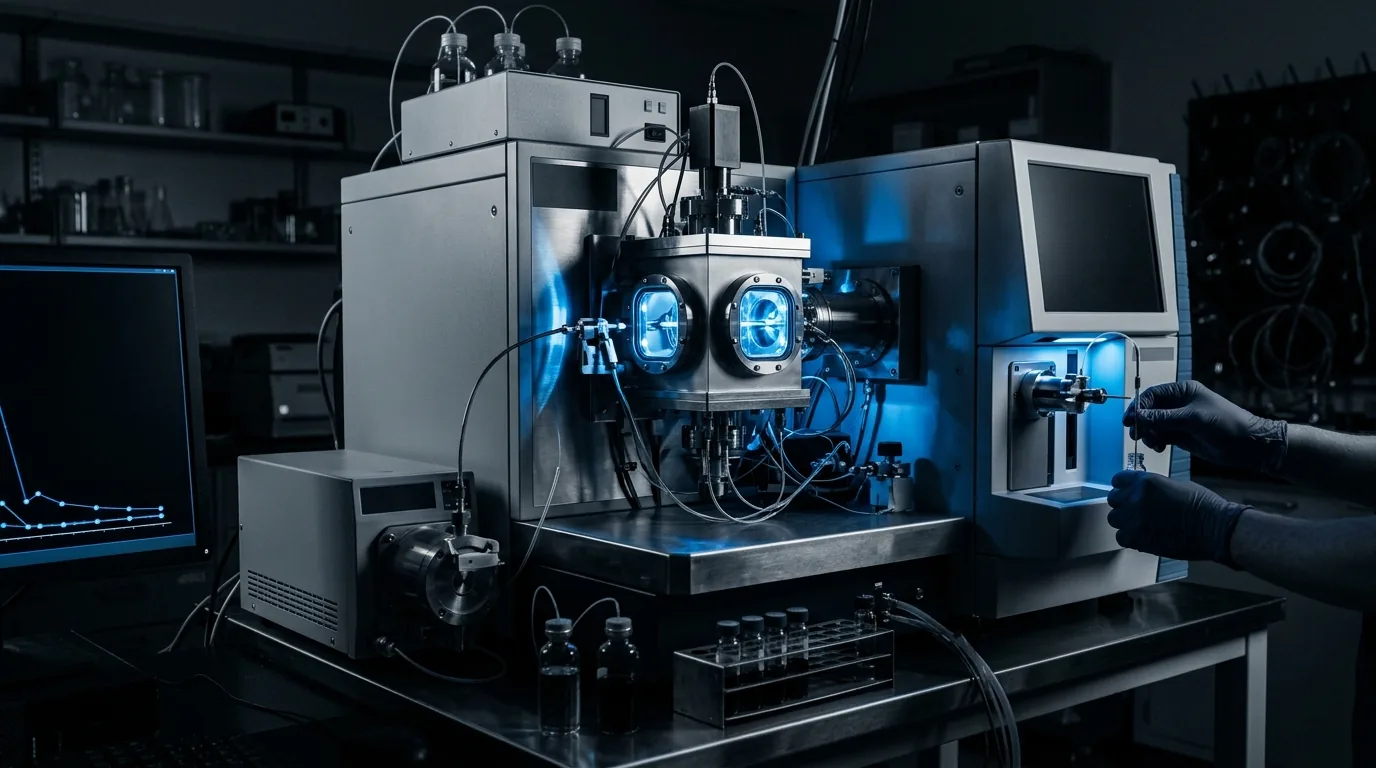
Peptide Molecular Weight: How to Calculate and Why It Matters
Learn how peptide molecular weight is calculated from amino acid residues, why it matters for research, and how to verify MW on a Certificate of Analysis.
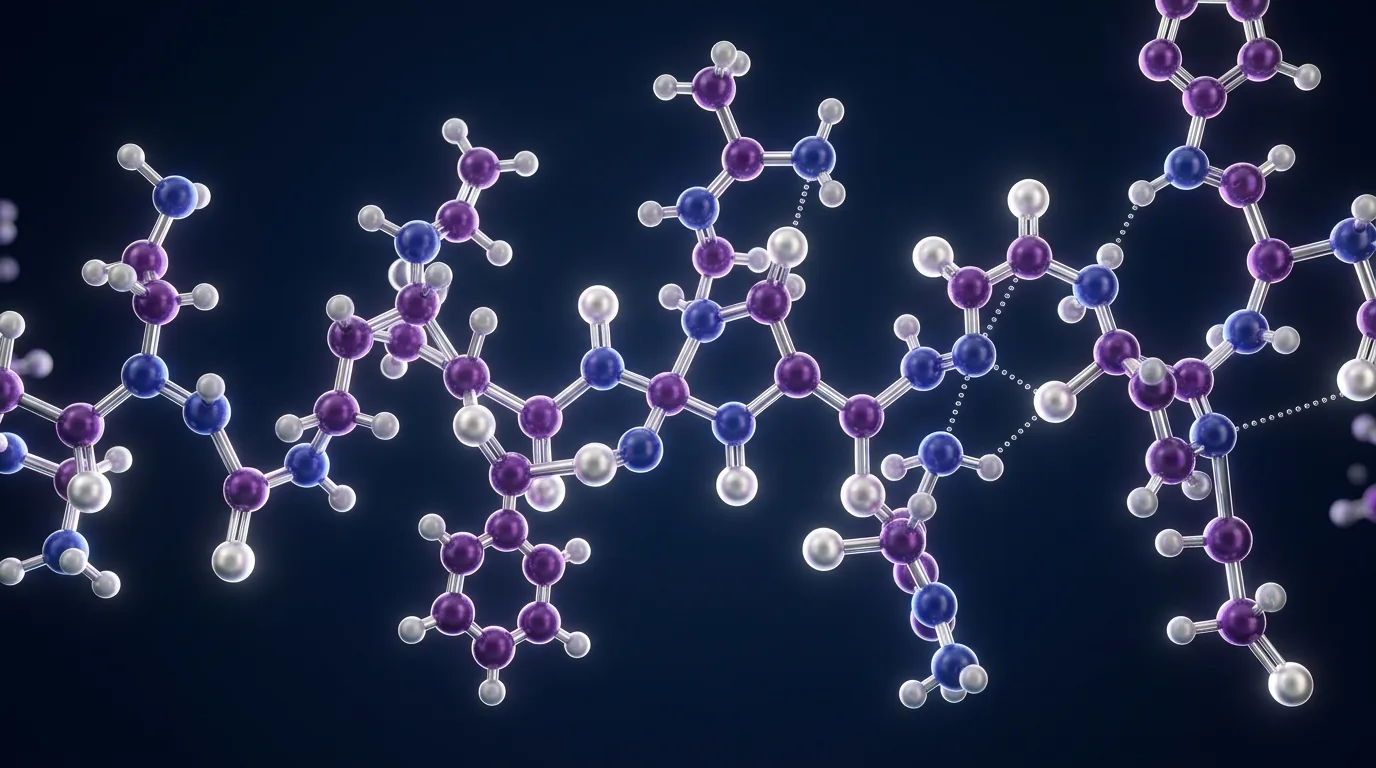
ACE-031: Complete Research Guide & Chemical Profile
Advanced research guide to ACE-031, an activin receptor type IIB-Fc fusion protein (myostatin trap). Covers myostatin/activin signaling inhibition, muscle wasting research, Duchenne muscular dystrophy trials, and GDF-11 biology.

What Is a Peptide Sequence? Reading the Amino Acid Code
Understand peptide sequences, one-letter and three-letter amino acid codes, how to read N-to-C terminus notation, and why sequence matters for research.

VIP (Vasoactive Intestinal Peptide): Research Guide & Chemical Profile
Advanced research guide to VIP (Vasoactive Intestinal Peptide), a 28-amino-acid neuropeptide. Covers VPAC1/VPAC2 receptor pharmacology, immunomodulation, circadian rhythm regulation, and anti-inflammatory signaling research.
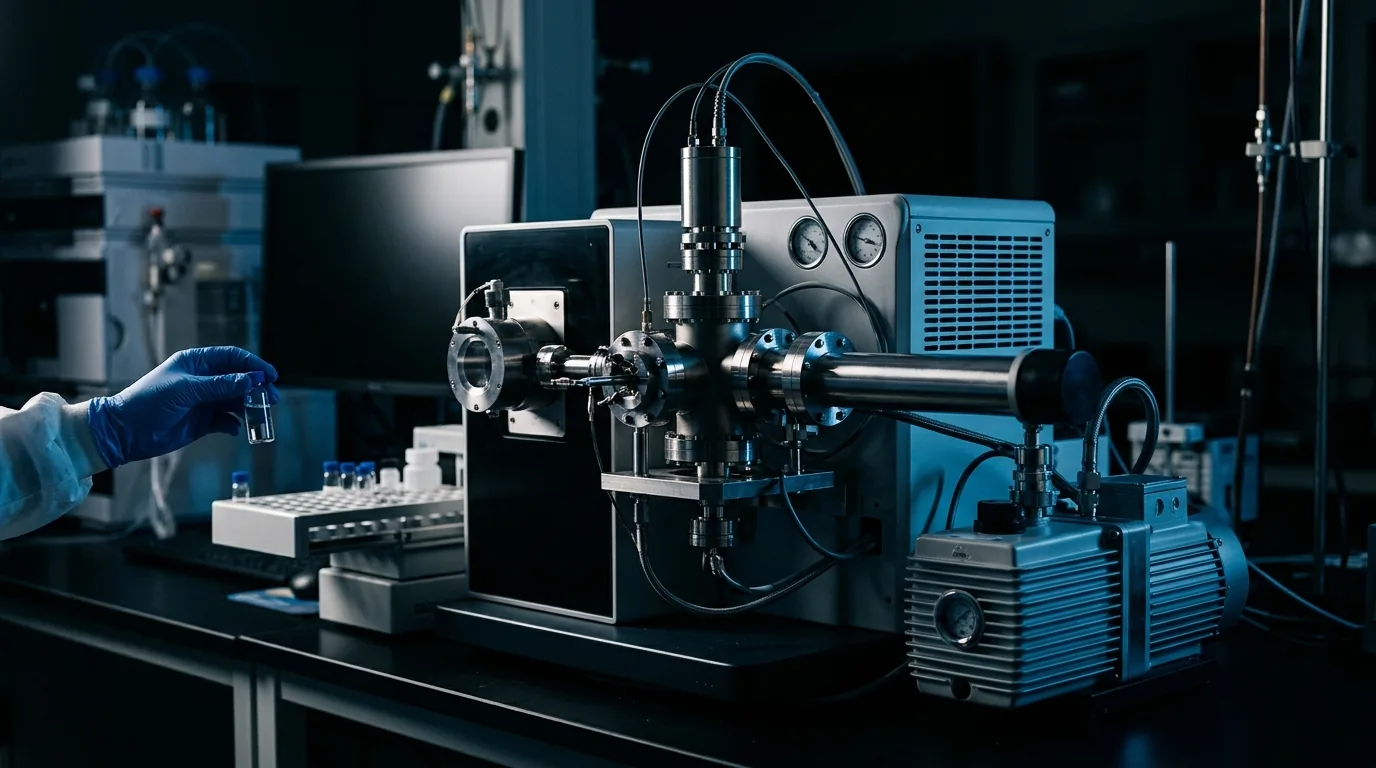
SNAP-8 (Acetyl Octapeptide-3): Research Guide & Chemical Profile
Complete research guide to SNAP-8 (Acetyl Octapeptide-3), a SNARE complex modulating octapeptide. Covers neuromuscular junction research, topical botox mechanism, MW ~1075 Da, and vesicle fusion inhibition studies.