

Research Peptide Guides
Learn to read a certificate of analysis, interpret a lab result and look up a peptide batch. Browse research guides, compound profiles and published studies.
Knowledge areas
Scientific Studies Database
Browse peer-reviewed research on peptide compounds with direct links to published literature.
Browse StudiesFrequently Asked Questions
Quick answers to the most common beginner questions about research peptides.
Browse FAQPeptides 1x1
Foundational knowledge about peptides – the essential basics every researcher should know. Start here to build a solid understanding of peptide science.
Blog
Articles, insights, and guides about peptide research, industry trends, and best practices.
News & Updates
Latest research findings, study results, and industry developments in the peptide space.
All Articles
Peptide Amino Acid Count: Why Chain Length Matters for Research
Count residues to find the length of a peptide chain. See why two peptides with the same residue count can have different masses and solubilities.
Matrixyl (Palmitoyl Pentapeptide-4): Research Guide & Chemical Profile
Comprehensive research guide to Matrixyl (Palmitoyl Pentapeptide-4, Pal-KTTKS). Covers collagen stimulation mechanisms, TGF-β pathway activation, MW ~802 Da, cosmeceutical peptide research, and analytical characterization.
Peptide Research Log: How to Document Your Laboratory Work
Learn how to keep a proper peptide research log with batch tracking, reconstitution records, storage conditions, and experimental observations. Covers GLP-compliant documentation, digital templates, and common logging mistakes.

KPV: Complete Research Guide & Chemical Profile
Comprehensive chemical profile of KPV (Lys-Pro-Val), a C-terminal tripeptide fragment of alpha-MSH with MW 342.43 Da. Covers NF-kB inhibition, gut inflammation research, melanocortin signaling, and PepT1 transport.

MK-677 (Ibutamoren): Complete Research Guide & Chemical Profile
Comprehensive chemical profile of MK-677 (ibutamoren mesylate), a non-peptide oral ghrelin mimetic with MW 528.67 Da. Covers GHSR-1a agonism, 24-hour GH elevation, IGF-1 effects, and clinical research data.
Can Peptides Survive Room Temperature? Stability Time Limits
Find out how long peptides last at room temperature in both lyophilized and reconstituted form. Covers stability windows, degradation rates, shipping considerations, and emergency storage guidelines.
Sermorelin: Complete Research Guide & Chemical Profile
Comprehensive chemical profile of sermorelin acetate, a synthetic GHRH(1-29) analog with MW ~3357 Da. Covers GHRH receptor agonism, pulsatile GH release, FDA history (Geref), and pharmacokinetic properties.
Peptide Foam: Why Bubbles Form During Reconstitution and What to Do
Understand why peptides foam when you add water, whether bubbles damage the peptide, and how to reconstitute without excessive foaming. Covers surface tension, surfactant properties of peptides, and gentle swirling technique.
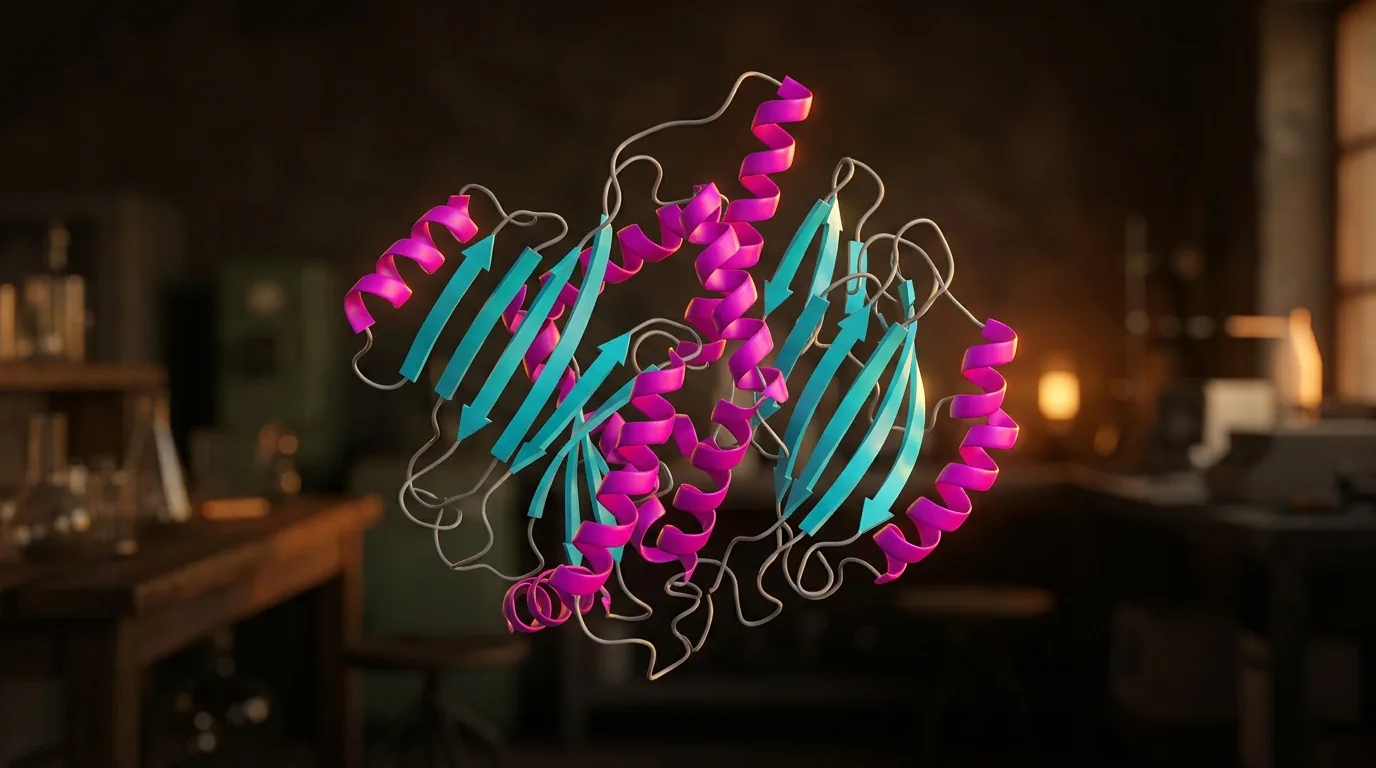
FOXO4-DRI: Complete Research Guide & Chemical Profile
Comprehensive chemical profile of FOXO4-DRI, a D-retro-inverso peptide that disrupts the FOXO4-p53 interaction in senescent cells. Covers senolytic mechanism, cellular senescence research, and aging biology applications.
What Is a Peptide Bond? Chemistry Basics for Researchers
Understand the peptide bond – the covalent amide linkage that connects amino acids into peptide chains. Covers bond formation, planar geometry, resonance, and why peptide bonds matter for stability and function.
Follistatin: Complete Research Guide & Chemical Profile
Comprehensive chemical profile of follistatin, a 344-amino-acid glycoprotein that binds activin and myostatin. Covers FST-288, FST-315, and FST-344 isoforms, receptor antagonism, and muscle research applications.
Peptide Color Changes: What Yellow, Brown, or Pink Solutions Mean
Learn why reconstituted peptides change color and what yellow, brown, or pink solutions indicate. Covers oxidation, TFA salt effects, pH-dependent color shifts, and when discoloration means degradation.
Why Do Peptides Need to Be Refrigerated? Temperature Science Explained
Discover why peptides degrade at room temperature and how cold storage preserves their chemical integrity. Covers Arrhenius kinetics, storage guidelines for lyophilized and reconstituted peptides, and freezer best practices.
Peptide vs Protein: What's the Difference? (Under 50 Amino Acids)
Learn the scientific distinction between peptides and proteins based on amino acid count, molecular weight, and 3D folding. Includes real examples, size thresholds, and why the 50-residue boundary matters.
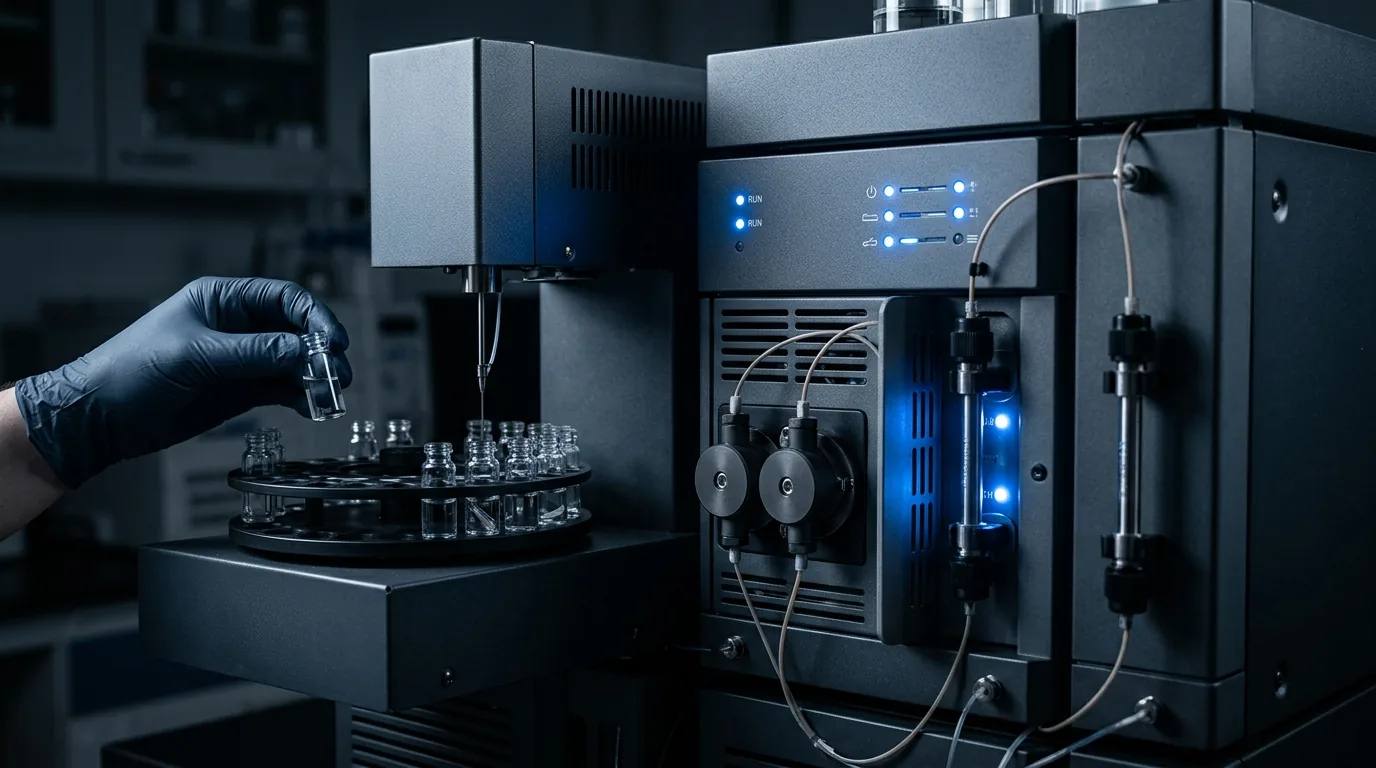
What Is Peptide Purity? HPLC Percentage Explained for Beginners
What does HPLC purity mean on a peptide certificate? Read the main peak’s share of the integrated area and see how other signals affect the reported percentage.
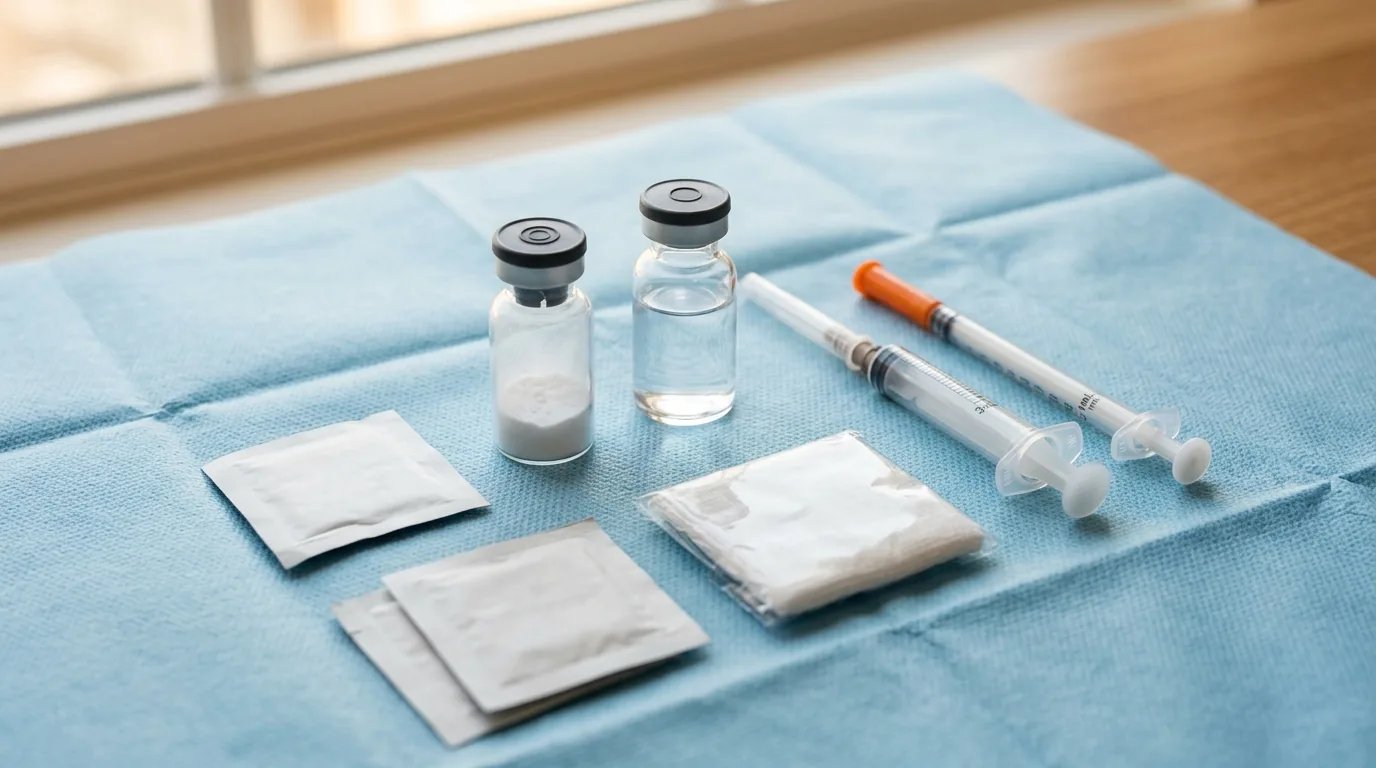
Peptide Reconstitution: How Much Bacteriostatic Water to Add (With Examples)
Learn the exact formula for calculating bacteriostatic water volumes when reconstituting lyophilized peptides. Includes concentration tables, syringe tips, and common beginner mistakes to avoid.
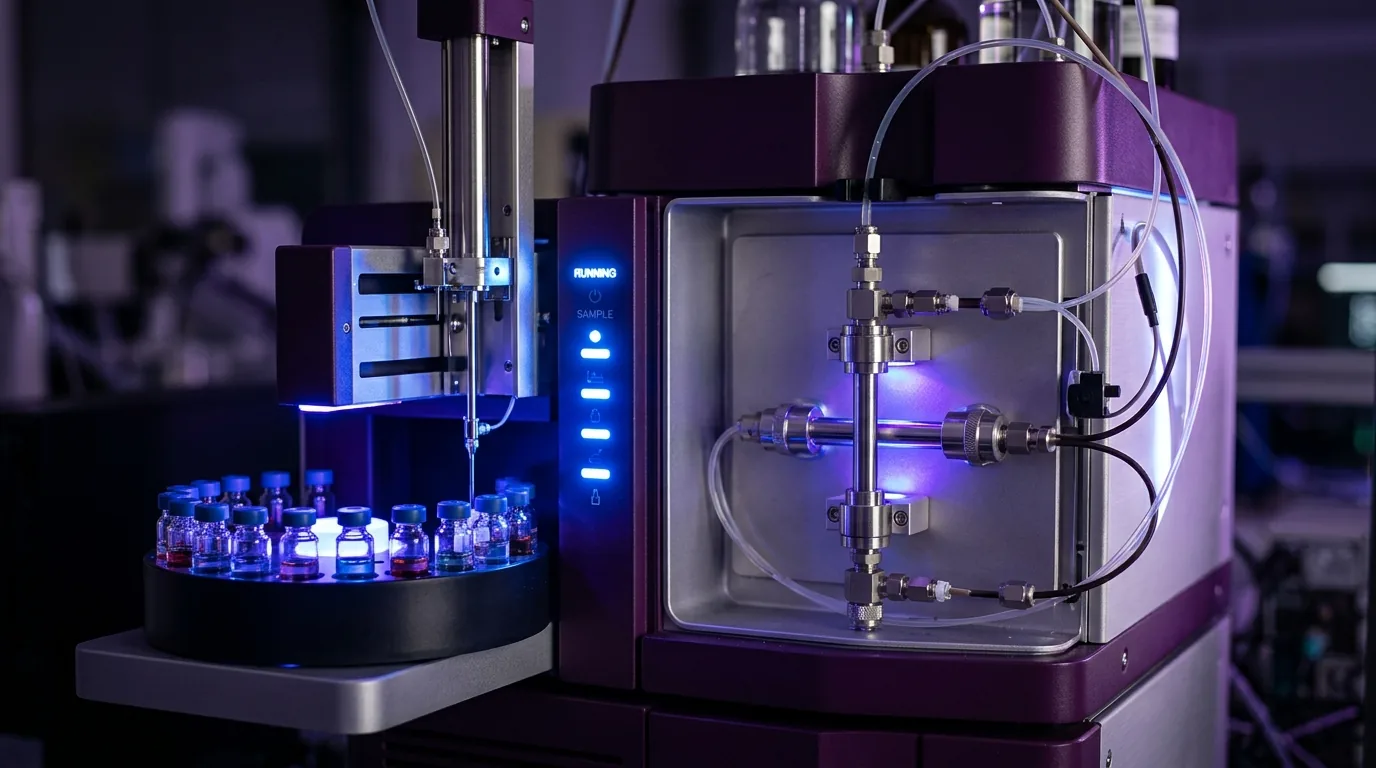
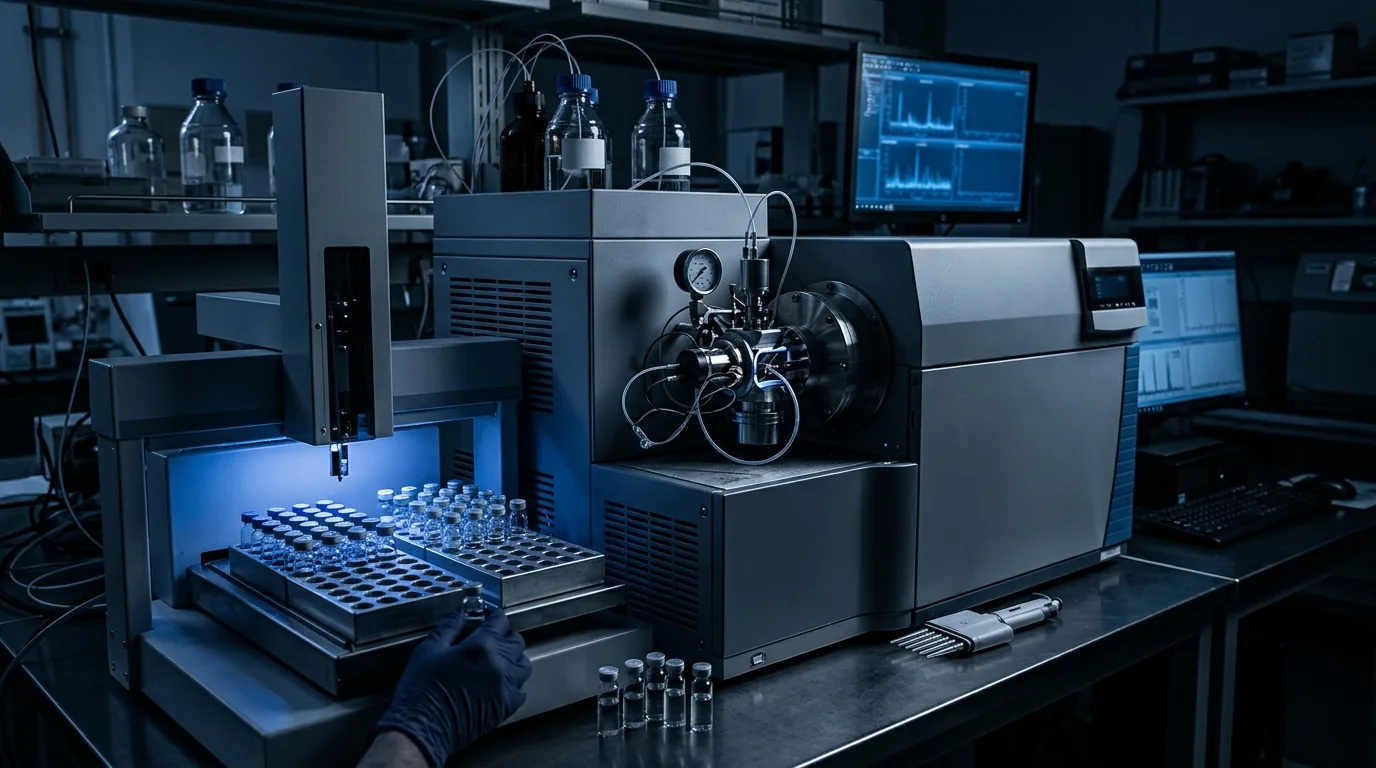
HPLC vs Mass Spectrometry: When to Use Which for Peptide Analysis
Compare HPLC and mass spectrometry for peptide analysis. Learn when each method is optimal, how they complement each other, and what their limitations are.
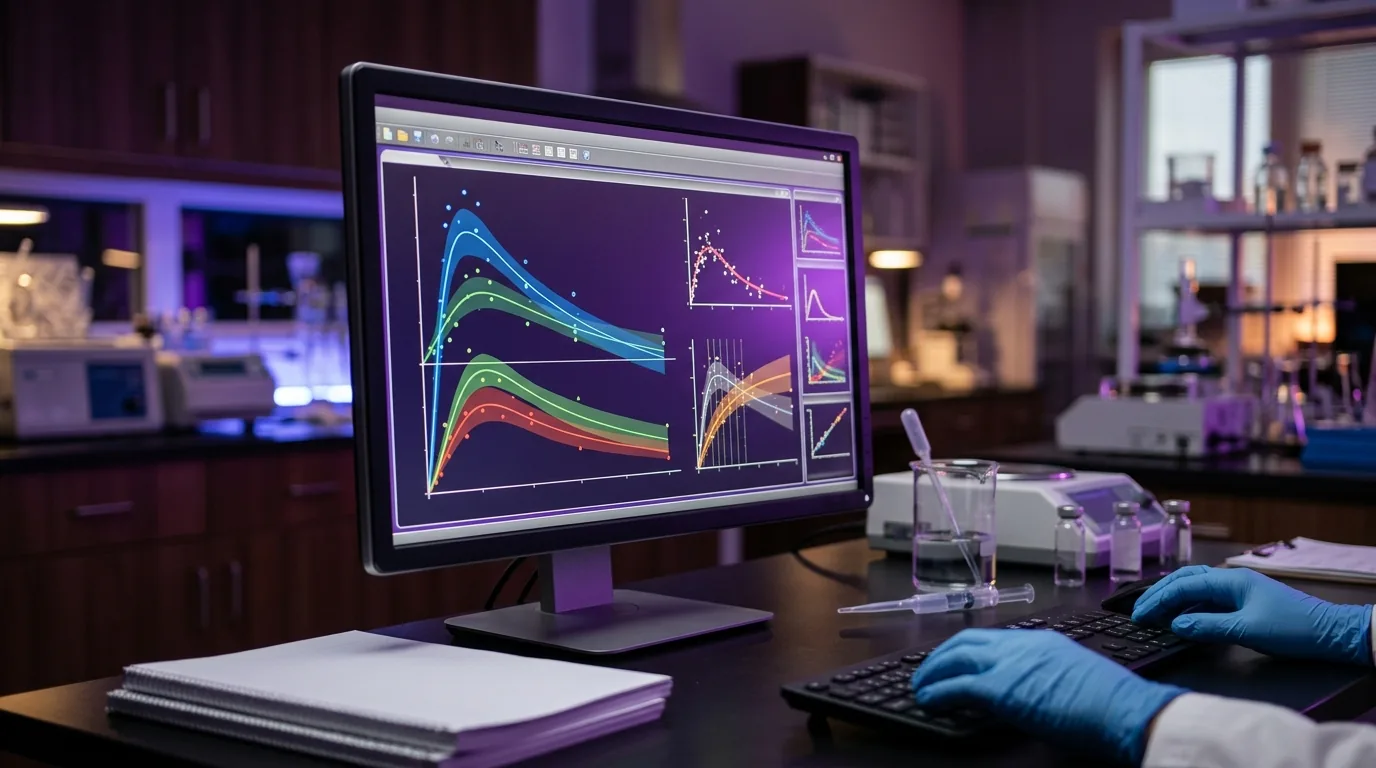
Peptide Absorption: How Different Routes Affect Bioavailability
Explore how administration routes – subcutaneous, intravenous, oral, intranasal, and transdermal – affect peptide bioavailability, absorption kinetics, and research outcomes.

GLP-1 Agonist Comparison 2026: Semaglutide vs Tirzepatide vs Retatrutide vs Orforglipron
Compare four GLP-1 receptor agonists in 2026: semaglutide, tirzepatide, retatrutide, and orforglipron. Chemical structures, receptor profiles, clinical trial data, and key differences.
Peptide Research Ethics: Guidelines for Responsible Laboratory Use
How do oversight and documentation support reproducible peptide research? Read about ethics review, the 3Rs in animal studies and reporting results.
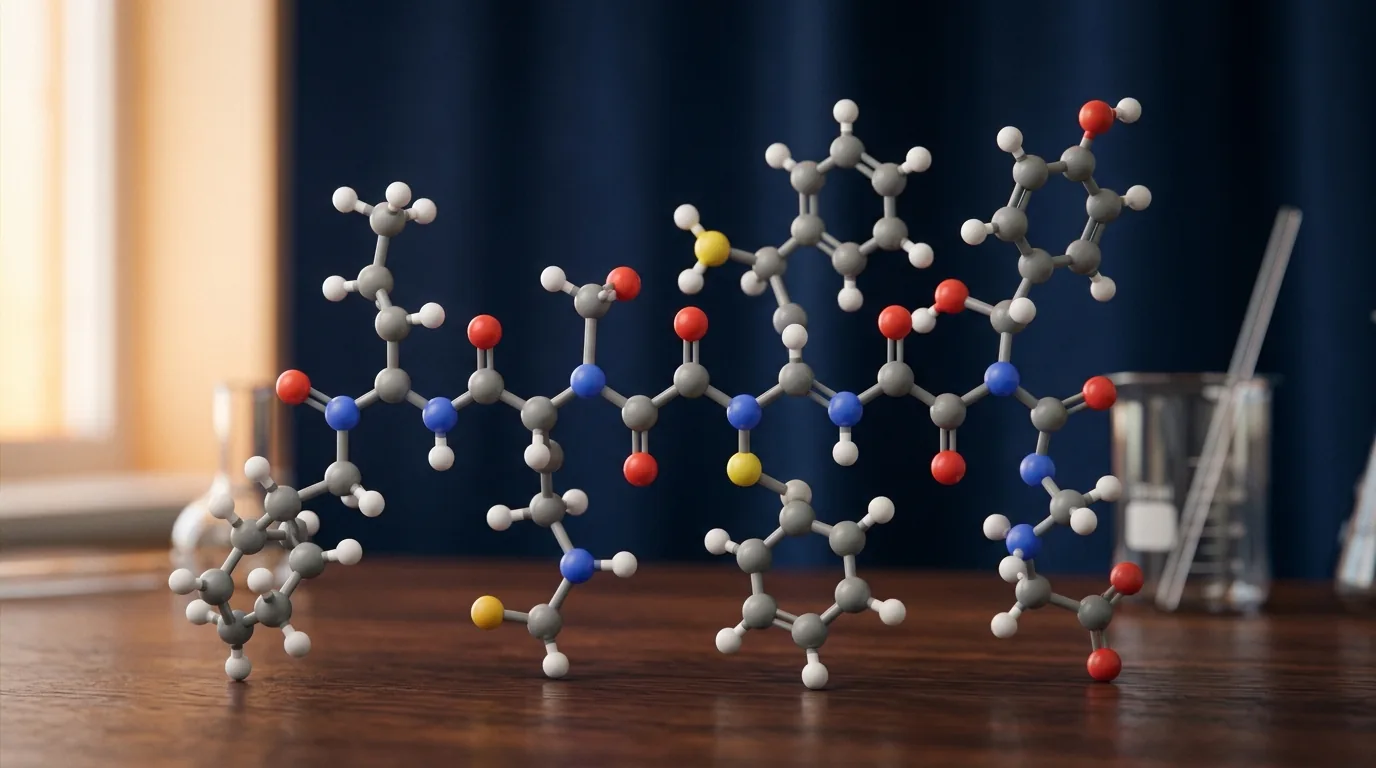
Understanding Peptide Sequences: One-Letter and Three-Letter Amino Acid Codes
Master the one-letter and three-letter amino acid code systems used in peptide science. Includes a complete reference table and tips for reading peptide sequences.
Peptide Quality Red Flags: 10 Signs Your Peptide May Be Degraded
Identify the 10 most common signs of peptide degradation in research samples. Visual cues, analytical indicators, and storage failures that compromise experiments.
Peptide Bioavailability: Why Route of Administration Matters for Research
Peptide bioavailability by administration route: subcutaneous, intramuscular, intravenous, oral, and intranasal compared for absorption, metabolism, and research design.
Ipamorelin + CJC-1295 No DAC: Why Researchers Combine Them
Understand the scientific rationale for combining Ipamorelin and CJC-1295 no DAC in growth hormone secretagogue research. Chemical profiles, mechanisms, and study design.