

Research Peptide Guides
Learn to read a certificate of analysis, interpret a lab result and look up a peptide batch. Browse research guides, compound profiles and published studies.
Knowledge areas
Scientific Studies Database
Browse peer-reviewed research on peptide compounds with direct links to published literature.
Browse StudiesFrequently Asked Questions
Quick answers to the most common beginner questions about research peptides.
Browse FAQPeptides 1x1
Foundational knowledge about peptides – the essential basics every researcher should know. Start here to build a solid understanding of peptide science.
Blog
Articles, insights, and guides about peptide research, industry trends, and best practices.
News & Updates
Latest research findings, study results, and industry developments in the peptide space.
All Articles
Peptide Degradation Products: What Happens When Peptides Break Down
Learn about common peptide degradation pathways – oxidation, deamidation, hydrolysis, aggregation, and racemization – and how to detect breakdown products.

Copper Peptides for Wound Healing Research: GHK-Cu Mechanism Deep Dive
Deep dive into GHK-Cu wound healing mechanisms: copper ion delivery, MMP regulation, decorin upregulation, TGF-β/TNF-α modulation, stem cell attraction, and clinical evidence.
Peptide Allergic Reactions: What Researchers Should Know
Peptide immunogenicity in research: distinguish measured immune responses, proposed mechanisms, formulation effects, and the limits of evidence for individual compounds.
How to Read a Mass Spectrometry Report for Peptides
Learn to interpret peptide mass spectrometry reports – understanding molecular ion peaks, adducts, charge states, and purity confirmation from MS data.
Peptide Stacking: Which Peptides Can Be Combined for Research?
Comprehensive guide to peptide stacking in research: synergistic combinations like BPC-157+TB-500 and Ipamorelin+CJC-1295, antagonistic pairs, timing protocols, and reconstitution.
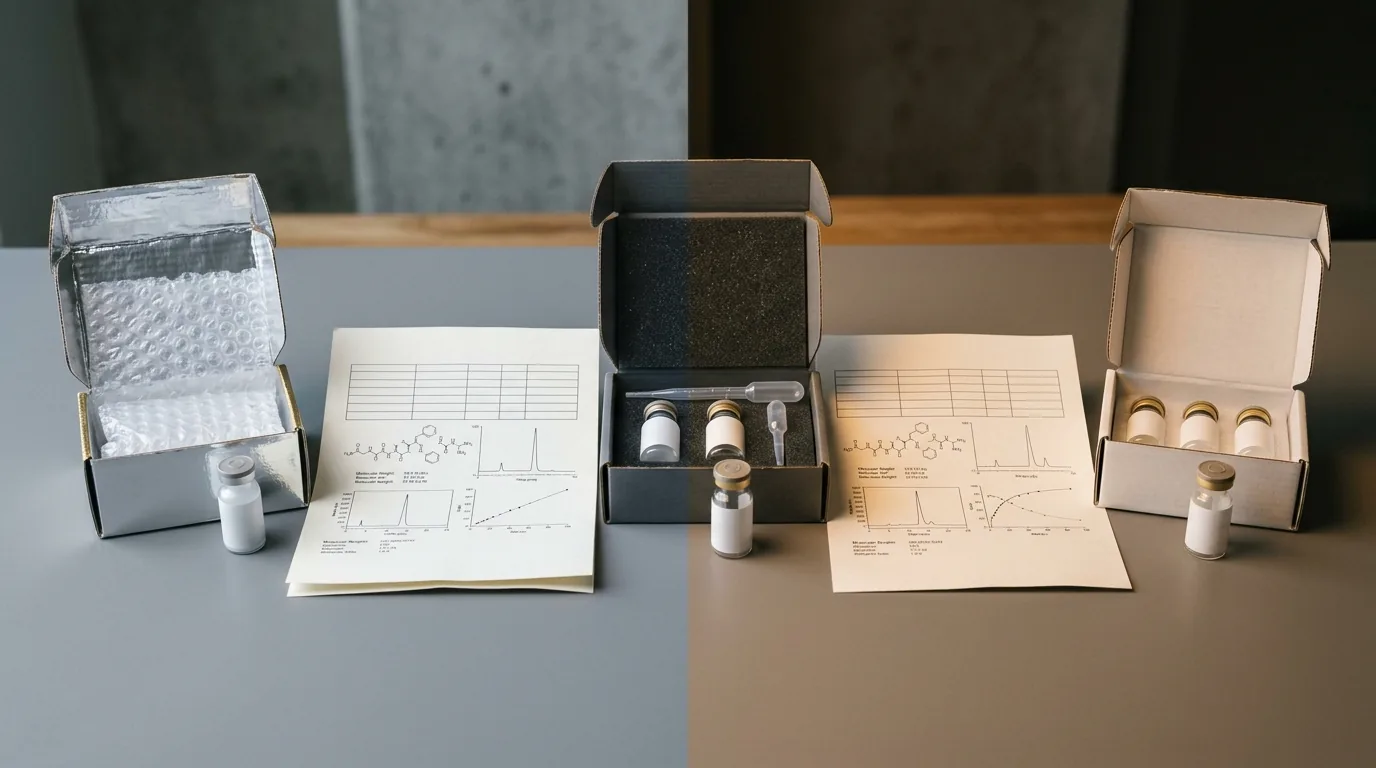
Peptide Research for Joint Health: BPC-157, TB-500, and Collagen Peptides
Review current laboratory research on BPC-157, TB-500, and collagen peptides for connective tissue repair – mechanisms, study findings, and chemical properties.
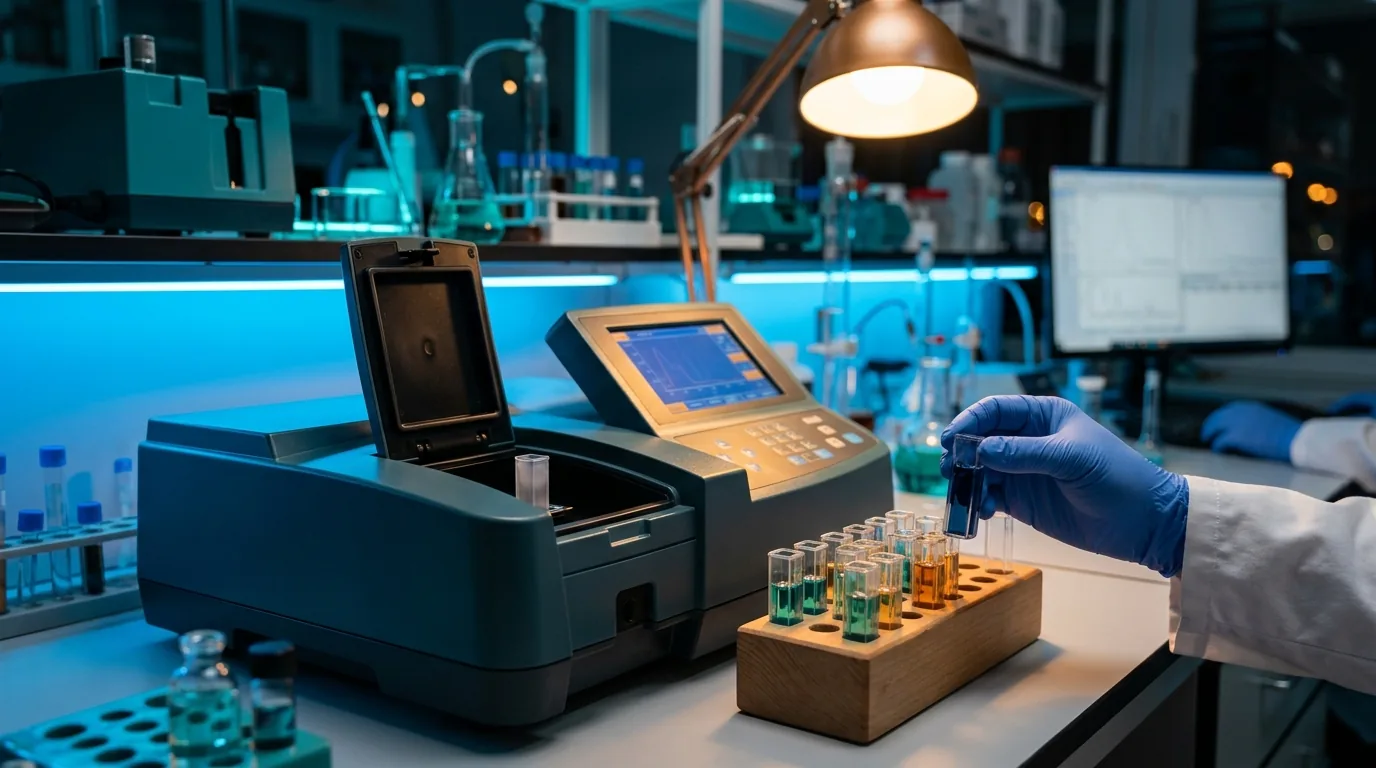
What Is Endotoxin? Why LAL Testing Matters for Peptide Safety
Understand endotoxins (lipopolysaccharides), how they contaminate research peptides, and why LAL testing is the gold standard for detecting bacterial contamination.
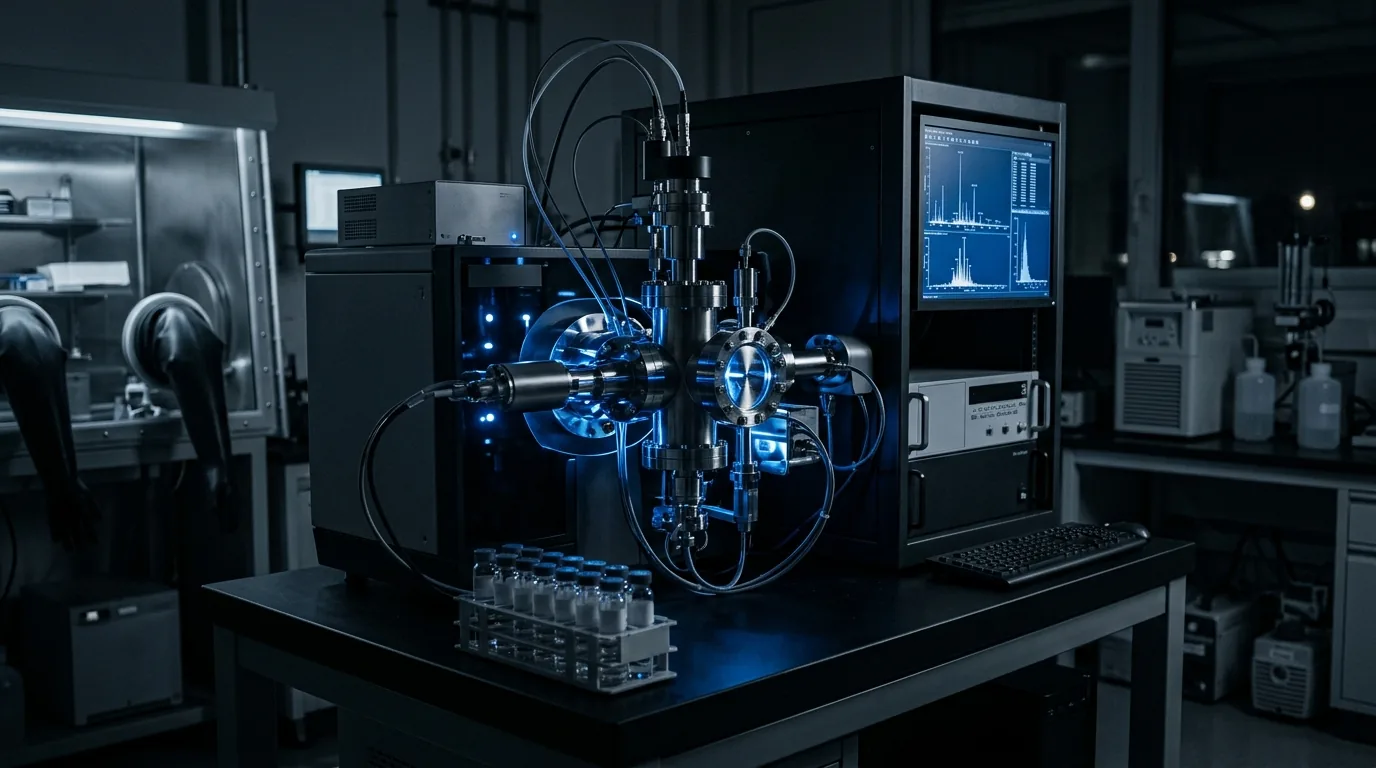
DSIP vs Selank for Sleep Research: Mechanism Comparison
Scientific comparison of DSIP and Selank in sleep and anxiolytic research: delta-wave modulation, GABAergic mechanisms, peptidase resistance, and preclinical sleep architecture data.
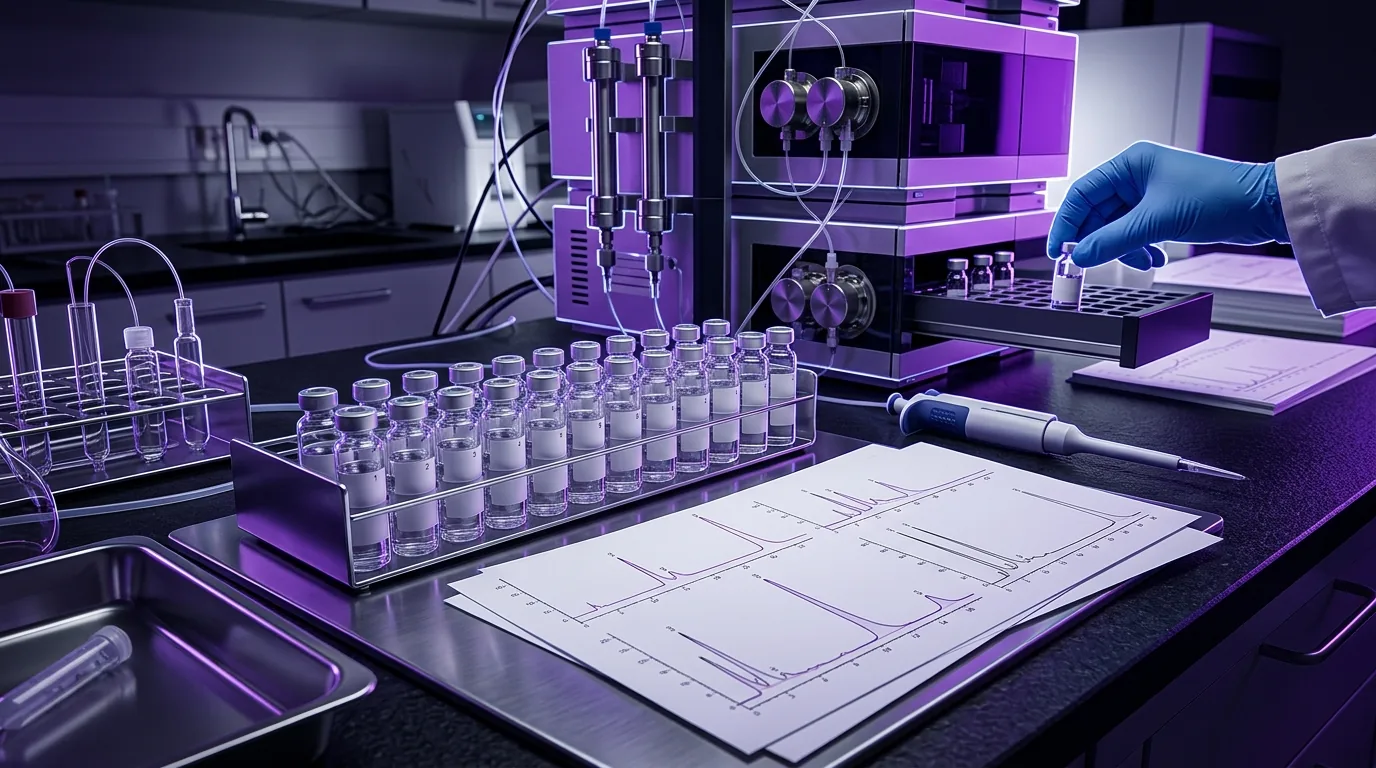
Peptide Research for Hair Growth: GHK-Cu, PTD-DBM, and Copper Peptides
Review of peptide-based hair growth research: GHK-Cu copper tripeptide, PTD-DBM Wnt activator, thymosin beta-4, and biomimetic copper peptides in dermal papilla cell models and follicle cycling studies.

Peptide Vendor Payment Methods: Credit Card, Crypto, Bank Transfer Compared
Compare peptide vendor payment methods – credit card, cryptocurrency, bank wire, and PayPal – covering fees, buyer protection, privacy, and red flags.
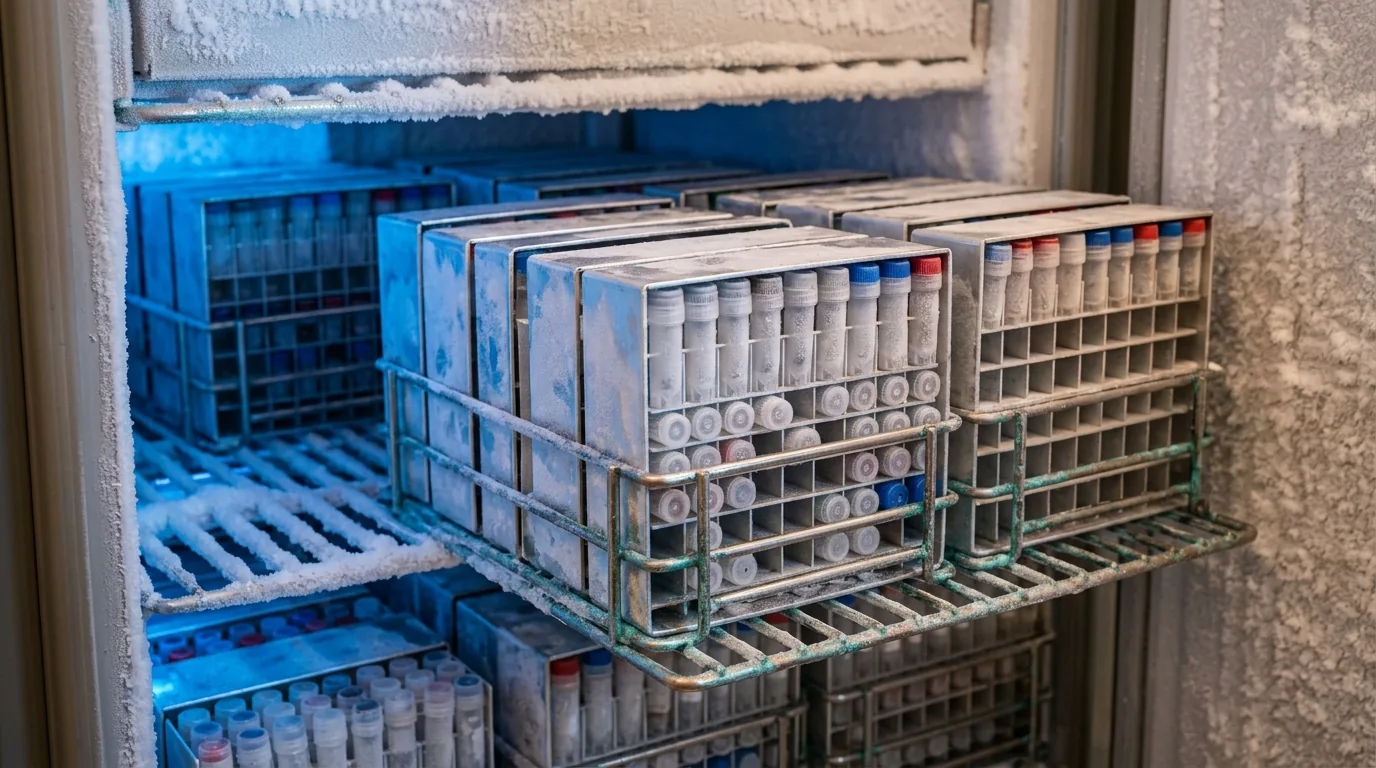
How to Store Reconstituted Peptides: Temperature, Light, and Duration Guide
Complete laboratory guide to reconstituted peptide storage: optimal temperature ranges, light protection protocols, solvent selection, freeze-thaw cycle limits, and stability timelines by peptide class.
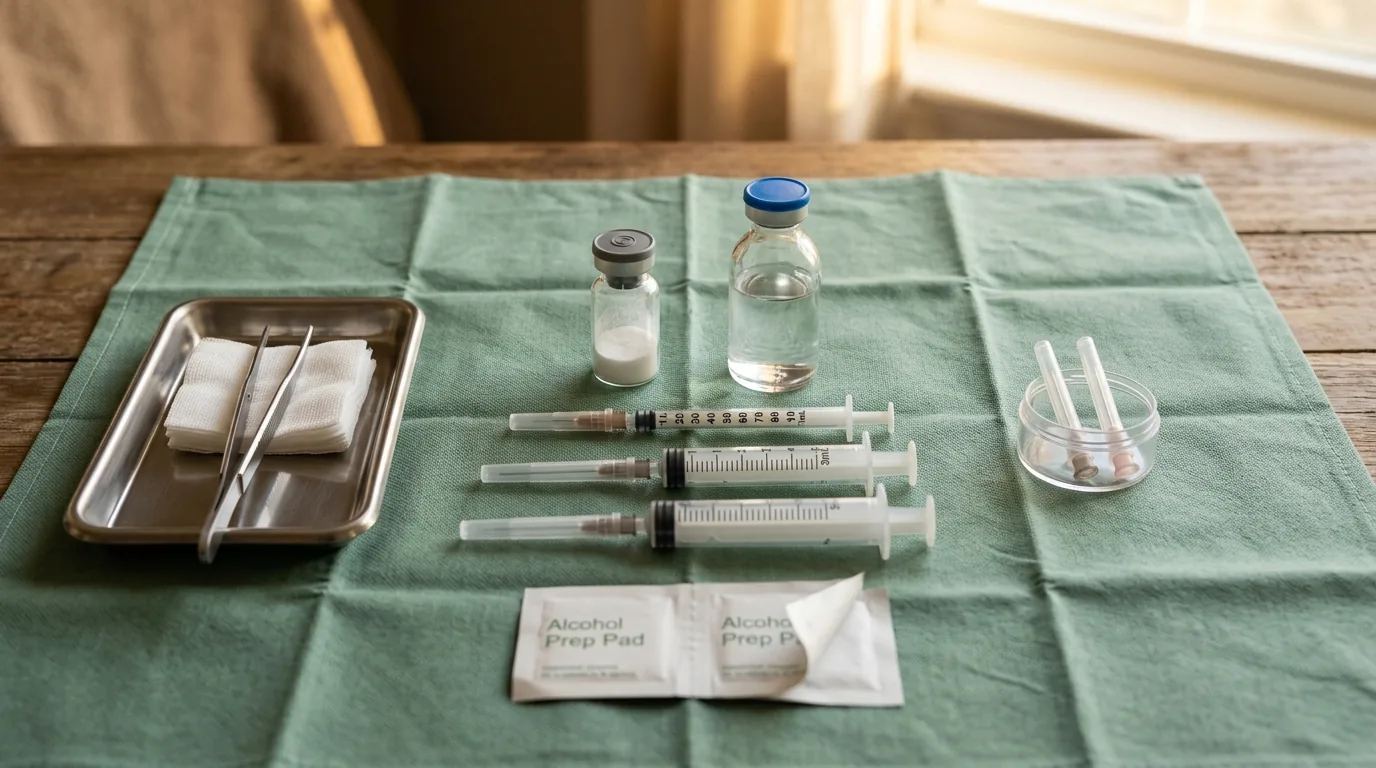
Reconstitution Video Guide: Visual Step-by-Step for Beginners
Learn how to reconstitute lyophilized peptides safely with this visual step-by-step guide covering bacteriostatic water, sterile technique, and storage.
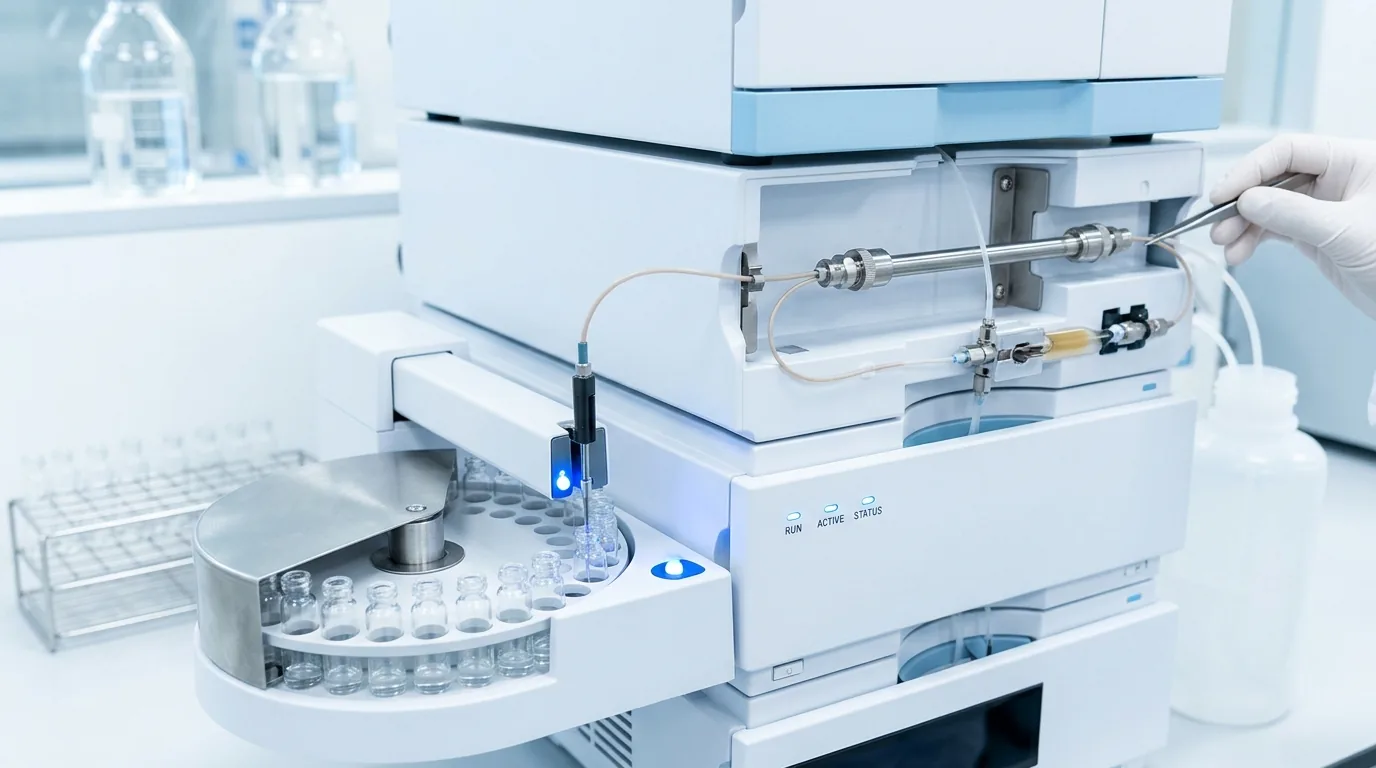
Peptide TFA Removal: Why Residual TFA Matters and How to Detect It
Technical guide to trifluoroacetic acid (TFA) contamination in synthetic peptides: counter-ion exchange methods, LC-MS and ion chromatography detection, and impact on research assay reliability.
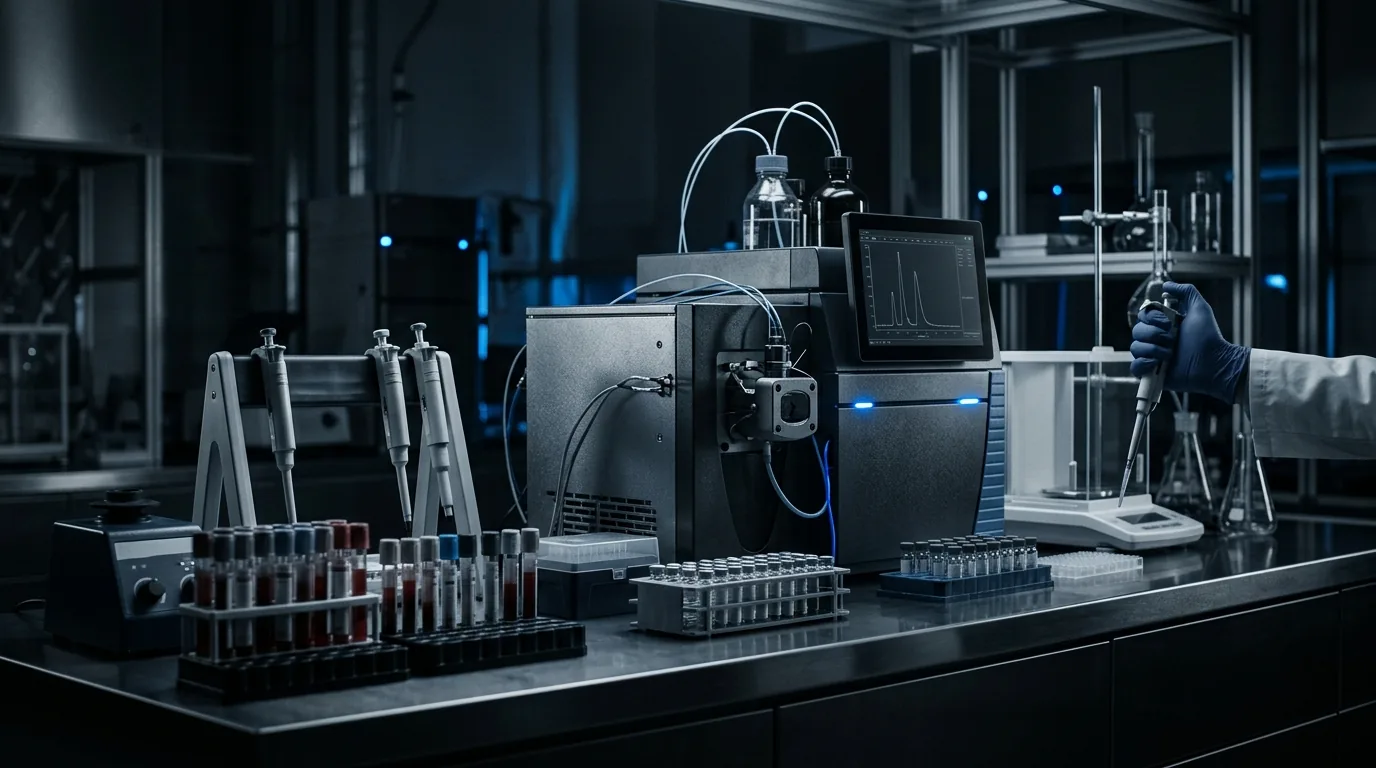
Peptide Potency: What Determines How Strong a Peptide Is
Explore the scientific factors that determine peptide potency – binding affinity, selectivity, bioavailability, structural modifications, and assay methods explained.

Research Peptide Glossary 2.0: 30 Advanced Terms for Experienced Researchers
Advanced peptide research terminology: stapled peptides, peptidomimetics, click chemistry, native chemical ligation, and 26 more expert-level definitions.
Follistatin vs ACE-031: Myostatin Inhibitor Comparison
Scientific comparison of follistatin and ACE-031 (dalantercept) as myostatin inhibitors: binding mechanisms, activin receptor decoy strategies, preclinical muscle data, and research considerations.
BPC-157 Oral vs Injectable: Does Oral Administration Work?
Analytical comparison of BPC-157 oral vs injectable administration routes. Covers gastric stability of this 15-aa pentadecapeptide (~1,419 Da), bioavailability differences, formulation challenges, and detection methods.
Peptide Interactions: Which Compounds Should Not Be Combined
Chemical incompatibilities between research peptides and common lab reagents. Oxidizing agents, metal ions, pH extremes, and co-solvent conflicts explained.
How Peptide Vendors Test Purity: Behind the Scenes of Quality Control
Inside peptide vendor QC labs: HPLC purity testing, mass spectrometry identity confirmation, amino acid analysis, endotoxin testing, and COA interpretation.
Melanotan 1 vs Melanotan 2: MSH Analogs Compared
Structural comparison of Melanotan I (afamelanotide, linear 13-aa α-MSH analog, ~1,646 Da) and Melanotan II (cyclic 7-aa lactam, ~1,024 Da). Covers receptor selectivity, stability, and chromatographic profiles.
Peptide Half-Life Comparison Table: From Minutes to Days
Compare the in vitro and in vivo half-lives of common research peptides. Factors affecting peptide degradation rates, protease susceptibility, and stabilization methods.
Selank vs Semax vs NA-Selank: Nootropic Peptide Comparison
Structural and analytical comparison of Selank (Thr-Lys-Pro-Arg-Pro-Gly-Pro-OH, ~751 Da), Semax (Met-Glu-His-Phe-Pro-Gly-Pro-OH, ~813 Da), and NA-Selank (N-Acetyl Selank, ~793 Da) for research applications.
What Is an Amino Acid? The Building Blocks of Peptides Explained
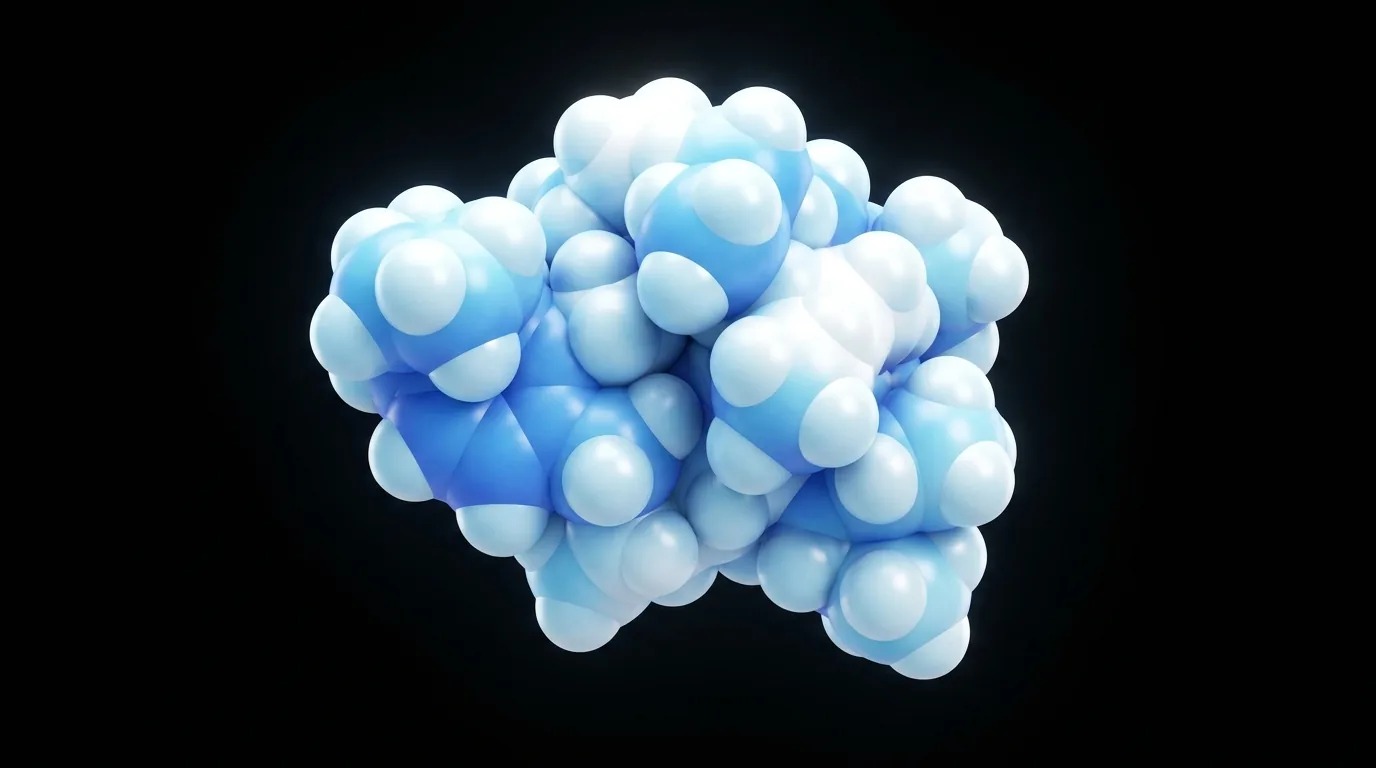
Explore the 20 standard amino acids, their shared backbone and their different side chains. See how peptide bonds link amino acids into a chain.
MK-677 vs Ipamorelin vs CJC-1295: GH Secretagogue Triple Comparison
Triple comparison of MK-677 (non-peptide ghrelin mimetic, ~528 Da), Ipamorelin (pentapeptide GHRP, ~711 Da), and CJC-1295 (GHRH analog, ~3,368 Da). Receptor targets, stability, and analytical profiles.