

Research Peptide Guides
Learn to read a certificate of analysis, interpret a lab result and look up a peptide batch. Browse research guides, compound profiles and published studies.
Knowledge areas
Scientific Studies Database
Browse peer-reviewed research on peptide compounds with direct links to published literature.
Browse StudiesFrequently Asked Questions
Quick answers to the most common beginner questions about research peptides.
Browse FAQPeptides 1x1
Foundational knowledge about peptides – the essential basics every researcher should know. Start here to build a solid understanding of peptide science.
Blog
Articles, insights, and guides about peptide research, industry trends, and best practices.
News & Updates
Latest research findings, study results, and industry developments in the peptide space.
All Articles
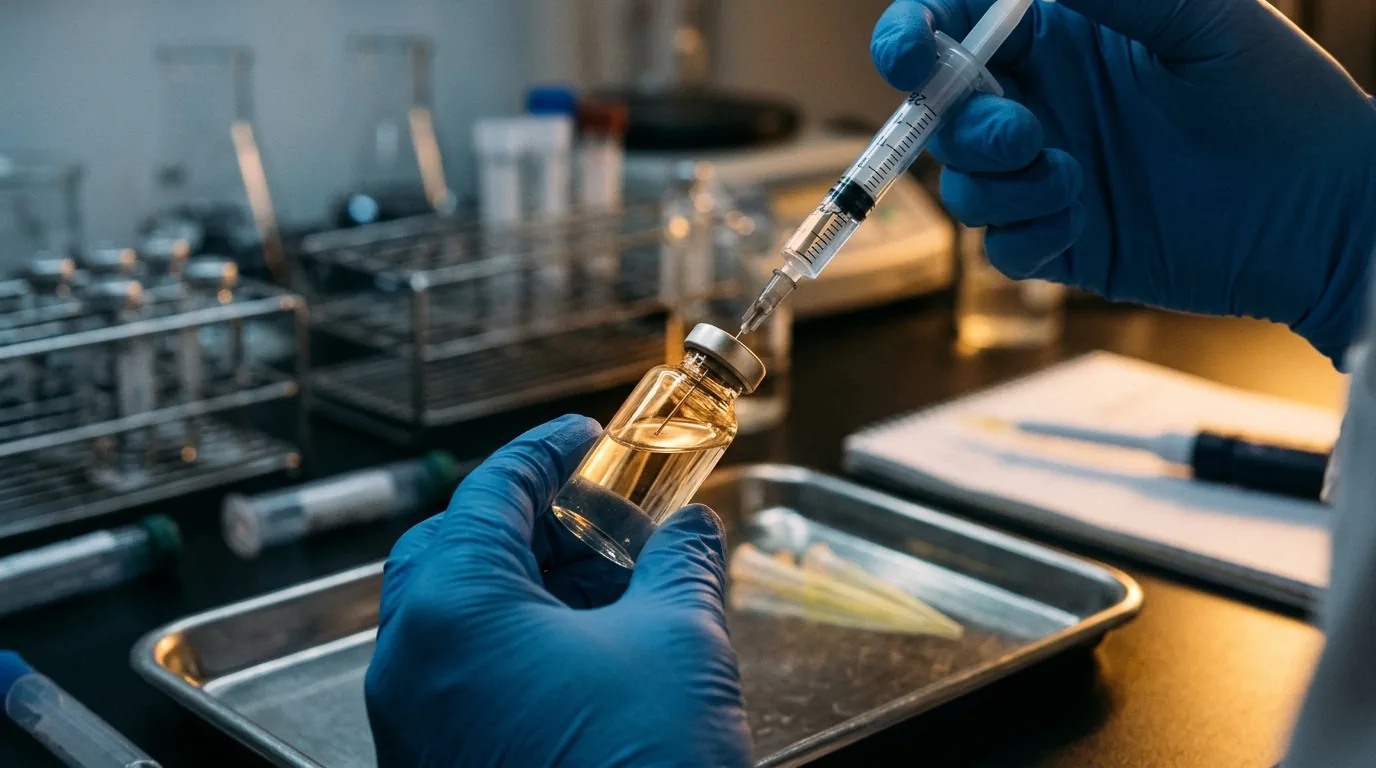
Can You Mix Multiple Peptides in One Syringe? Compatibility Guide
A laboratory compatibility guide covering which research peptides can be combined in a single reconstitution vessel, pH stability concerns, common pairings like BPC-157 and TB-500, and critical incompatibilities to avoid.
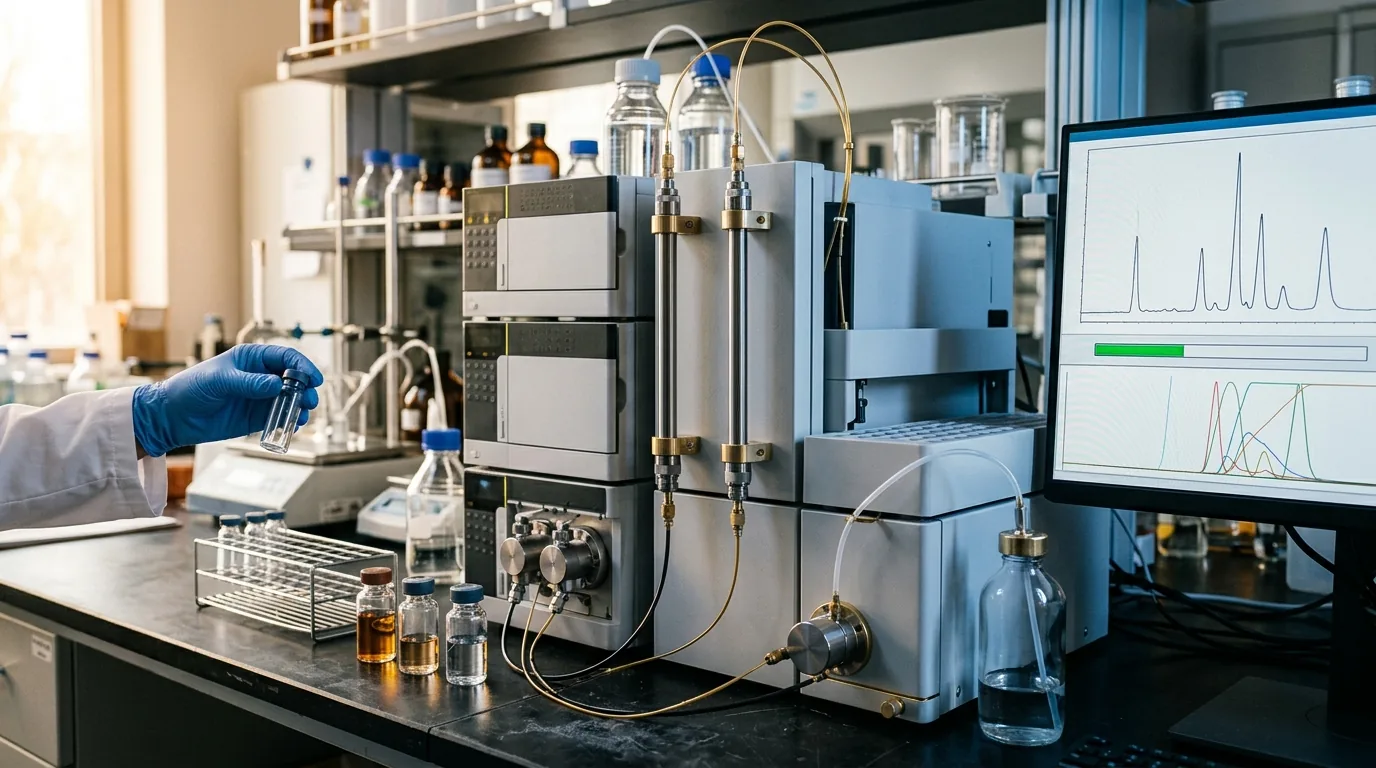
Peptide Purity vs Net Peptide Content (NPC): The Critical Difference Explained
HPLC area percentage and net peptide content answer different questions. Compare the chromatographic signal with the peptide mass fraction in a sample.

What Does RUO Mean? Research Use Only Explained
RUO means Research Use Only. Understand the label, its specific US diagnostic context, and why a research label is separate from a COA or approval.

How Fast Do Peptides Work? Expected Timelines for BPC-157, Semaglutide, Ipamorelin & More
Peptide onset varies widely: recovery peptides like BPC-157 show effects within 1-2 weeks, while body composition agents require 8-12 weeks. Explore evidence-based timelines by category.
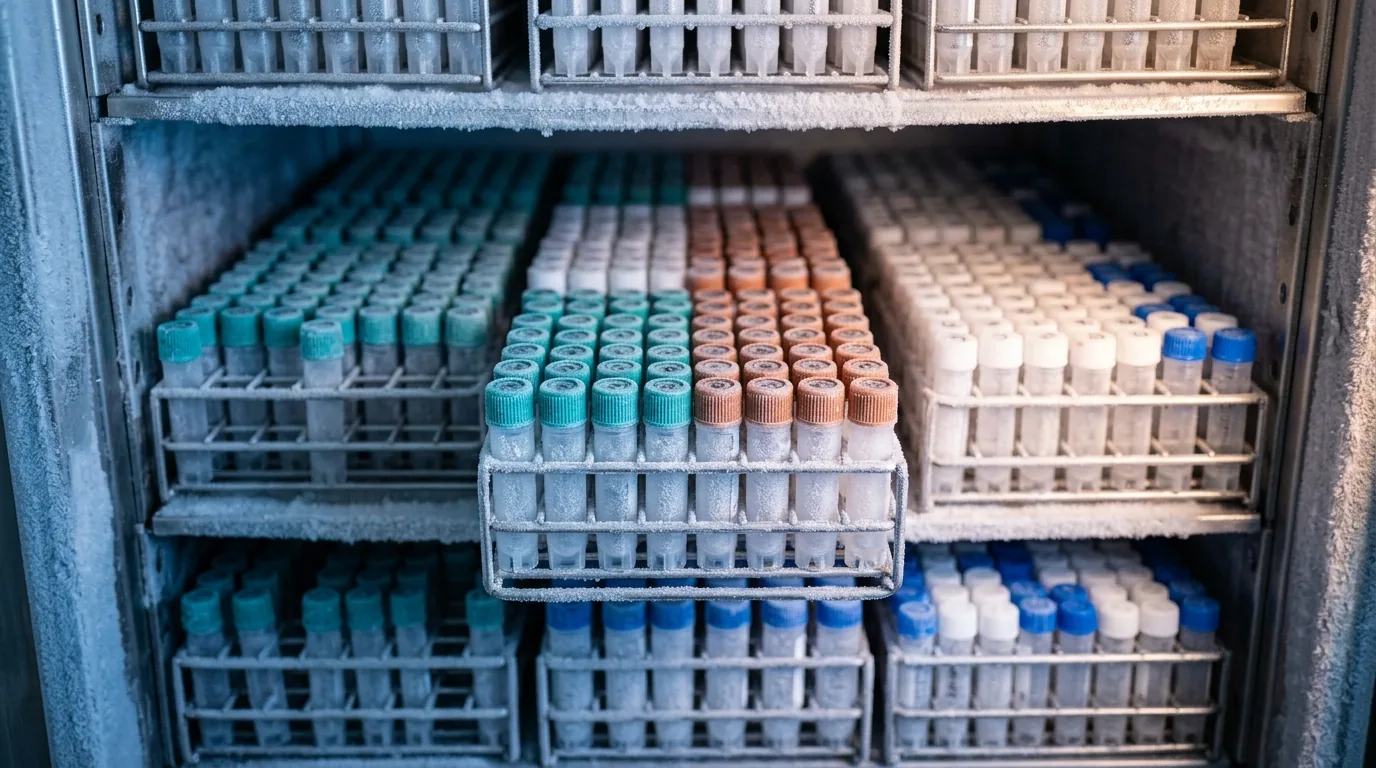
How Long Do Peptides Last? Shelf Life for Powder, Reconstituted, and Refrigerated
Lyophilized peptides last up to 48 months frozen, but reconstituted solutions degrade within 21-28 days. Learn how temperature, freeze-thaw cycles, and common storage mistakes destroy potency.
Peptide Glossary: 50 Essential Terms Every Researcher Must Know (A-Z)
Master 50 essential peptide research terms from Amino Acid to Zwitterion. Clear definitions for beginners covering synthesis, analysis, and laboratory vocabulary.
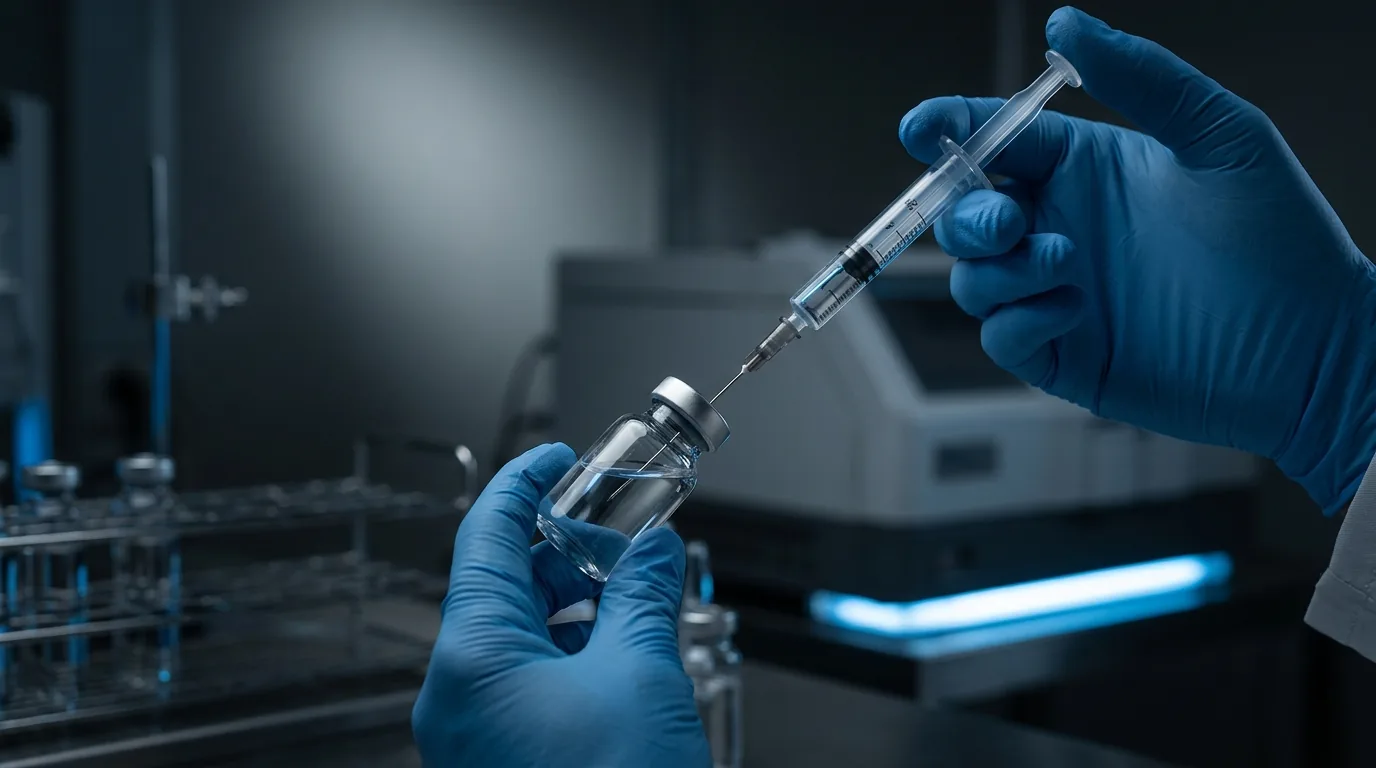
Best Research Peptides for Beginners: A Scientific Overview
Explore five beginner-friendly research peptides – BPC-157, TB-500, Ipamorelin, GHK-Cu, and Selank – covering literature depth, storage, and reconstitution ease.

Are Research Peptides Safe? Risks, Contamination, and What Science Says
Examine research peptide safety profiles, contamination risks, immunogenicity concerns, quality control methods, and what peer-reviewed studies reveal about peptide safety.

Peptides vs Steroids vs SARMs: Key Differences Explained for Researchers
Compare peptides, anabolic steroids, and SARMs by molecular structure, mechanism of action, receptor binding, legal status, and safety profiles for laboratory research.

FDA Tightens Compounding Rules for Peptides: What the 2026 Regulatory Shift Means
The FDA is reshaping the peptide landscape through stricter enforcement of Sections 503A and 503B, warning letters to gray-market vendors, and a pending reclassification of 14 peptides. This analysis examines the regulatory timeline, enforcement actions, and what these changes mean for research-grade peptide quality assurance.
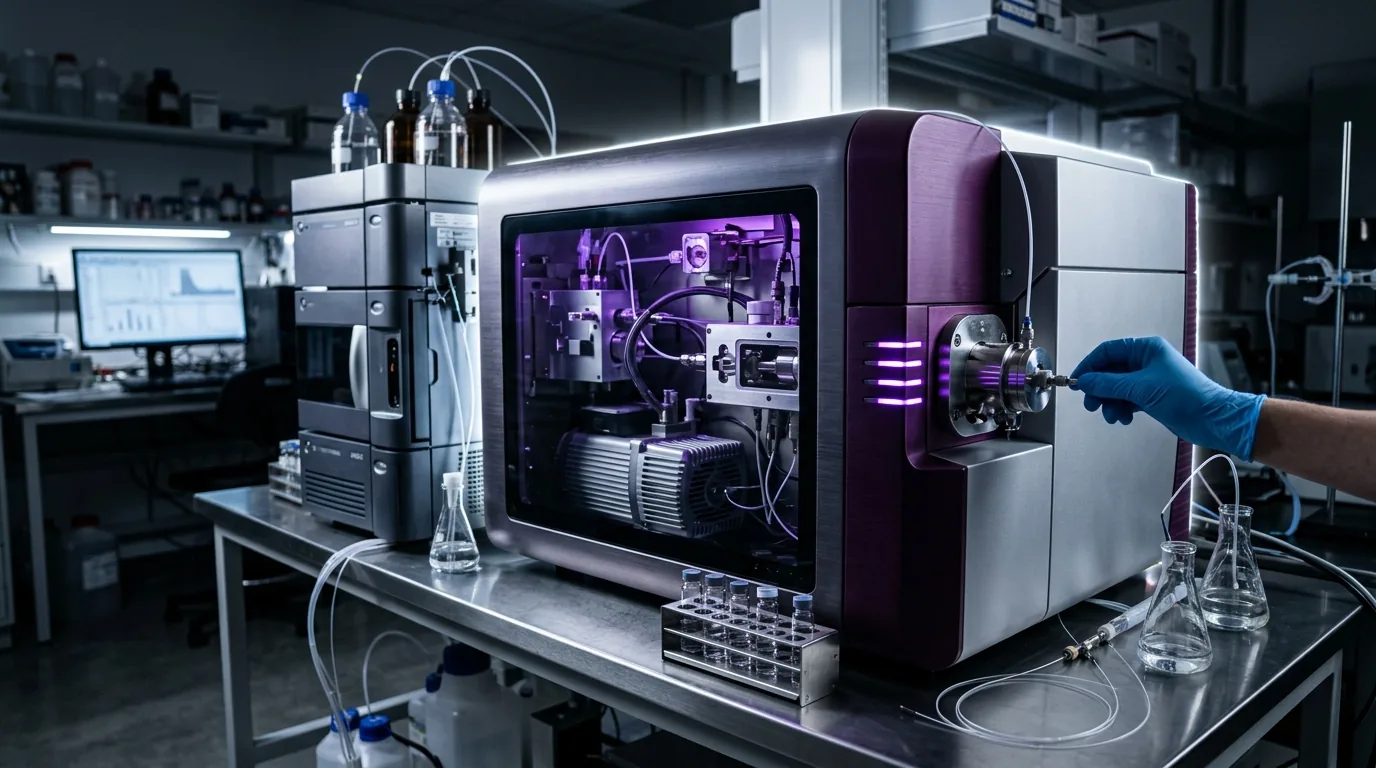
Unnatural Products and Novartis: A $1.7 Billion Deal for Synthetic Macrocyclic Peptides
Novartis has entered a licensing agreement with Unnatural Products worth up to $1.7 billion in milestones to develop orally delivered macrocyclic peptide therapeutics for cardiovascular targets. The deal leverages UNP's CycloSEL platform, which screens massive synthetic macrocycle libraries using affinity selections and tandem mass spectrometry to identify drug-like hits against historically undruggable targets.

Luna18: The Oral Peptide Achieving 47% Bioavailability – A Potential Game-Changer
Luna18 (paluratide), an 11-mer cyclic peptide discovered via mRNA display, achieved 21–47% oral bioavailability across preclinical species without permeation enhancers – a landmark result that redefines what is chemically achievable for oral peptide delivery.

AI-Powered Peptide Discovery 2026: How CreoPep, PepMimic and Machine Learning Are Reshaping the Pipeline
An advanced overview of the machine-learning platforms – CreoPep, PepMimic, PepINVENT, and KCM – that are accelerating peptide candidate generation, affinity optimization, and library screening in 2026. Covers computational methodologies, clinical pipeline statistics, and the shift toward AI-first discovery workflows.

Personalized Peptide Cancer Vaccines: Neoantigen Targeting in 31 Active Clinical Trials
Peptide-based neoantigen vaccines represent 64.8% of all personalized cancer vaccine trials, with 31 active studies on ClinicalTrials.gov. Phase I data in renal cell carcinoma shows 0/9 recurrences at 40.2 months, while combination regimens with checkpoint inhibitors demonstrate synergistic T-cell activation across hepatocellular carcinoma, advanced solid tumors, and hematologic malignancies.

Peptide Sciences Shuts Down: What the Largest US Gray-Market Vendor's Closure Means for Researchers
Peptide Sciences, the largest gray-market research peptide vendor in the US, voluntarily ceased operations on March 6, 2026. This analysis examines the regulatory forces behind the closure, the FDA enforcement timeline, quality verification gaps exposed by third-party testing, and what the market consolidation means for laboratory researchers relying on independent verification tools.
Medicare GLP-1 Bridge Program: $50/Month Coverage Starting July 2026
Beginning July 1, 2026, Medicare will cover select GLP-1 receptor agonist medications for weight management at a $50 monthly copay through the new Medicare GLP-1 Bridge program – the first-ever Medicare coverage for obesity medications after a two-decade statutory exclusion.

23andMe Study: Genetic Variants Predict GLP-1 Drug Efficacy and Side Effects
A landmark Nature study from the 23andMe Research Institute identifies missense variants in GLP1R and GIPR that predict weight loss efficacy and gastrointestinal side effects of GLP-1 receptor agonists, advancing pharmacogenomics in peptide therapeutics.
Survodutide: Dual GLP-1/Glucagon Agonist Enters Phase 3 for MASH and Obesity
Survodutide (BI 456906), a dual glucagon/GLP-1 receptor agonist developed by Boehringer Ingelheim and Zealand Pharma, has entered Phase 3 trials for both MASH and obesity. Phase 2 data demonstrated up to 18.7% body weight reduction at 46 weeks and 83% MASH histologic improvement. The SYNCHRONIZE program now evaluates survodutide across multiple Phase 3 endpoints with readouts expected in 2026.
CAQK: A Four-Amino-Acid Peptide That Could Stop Brain Damage After Injury
CAQK (Cys-Ala-Gln-Lys) is a tetrapeptide that selectively homes to injured brain tissue via chondroitin sulfate proteoglycan binding. Recent preclinical results in TBI models demonstrate reduced neuroinflammation, decreased apoptosis, and improved functional recovery – positioning CAQK as a leading candidate for the first systemic TBI therapeutic.
BPC-157: Why Patients Trust a Peptide More Than a Statin – The Evidence Gap Explained
A deep analysis of the inverse relationship between clinical evidence and public trust, examining why BPC-157 – with fewer than 30 human subjects studied – commands more confidence among patients than statins backed by 170,000-participant meta-analyses.
Pinnacle Medicines Raises $89M for Next-Generation Oral Peptides
Pinnacle Medicines has closed an oversubscribed $89 million Series B financing to advance its oral peptide therapeutics pipeline into clinical trials, with a lead program targeting asthma and COPD expected to enter human testing by late 2026.
Semaglutide and Chronic Kidney Disease: FLOW Trial Shows 24% Risk Reduction
The FLOW trial establishes semaglutide as the first GLP-1 receptor agonist to demonstrate kidney-protective effects in a dedicated renal outcomes trial. In 3,533 patients with type 2 diabetes and chronic kidney disease, once-weekly semaglutide 1 mg reduced major kidney events by 24%, slowed annual eGFR decline by 1.16 mL/min/1.73 m², and lowered all-cause mortality by 20%. These findings expand the therapeutic landscape for GLP-1 receptor agonists beyond glycemic control and weight management.

GLP-1 Agonists for Alzheimer's and Parkinson's: 2026 Research Update
A comprehensive review of GLP-1 receptor agonist research in neurodegenerative diseases, covering the LixiPark Phase II trial for Parkinson's disease, the EVOKE Phase III semaglutide trials for Alzheimer's, liraglutide ELAD results, proposed neuroprotective mechanisms, and the evolving clinical trial pipeline as of 2026.

ICOTYDE (Icotrokinra): First Targeted Oral Peptide for Plaque Psoriasis – FDA Approved
The FDA has approved ICOTYDE (icotrokinra), the first and only targeted oral peptide that blocks the IL-23 receptor, for moderate-to-severe plaque psoriasis. This macrocyclic peptide from Johnson & Johnson represents a paradigm shift from injectable biologics to oral peptide therapeutics in immune-mediated inflammatory disease.