

Research Peptide Guides
Learn to read a certificate of analysis, interpret a lab result and look up a peptide batch. Browse research guides, compound profiles and published studies.
Knowledge areas
Scientific Studies Database
Browse peer-reviewed research on peptide compounds with direct links to published literature.
Browse StudiesFrequently Asked Questions
Quick answers to the most common beginner questions about research peptides.
Browse FAQPeptides 1x1
Foundational knowledge about peptides – the essential basics every researcher should know. Start here to build a solid understanding of peptide science.
Blog
Articles, insights, and guides about peptide research, industry trends, and best practices.
News & Updates
Latest research findings, study results, and industry developments in the peptide space.
All Articles
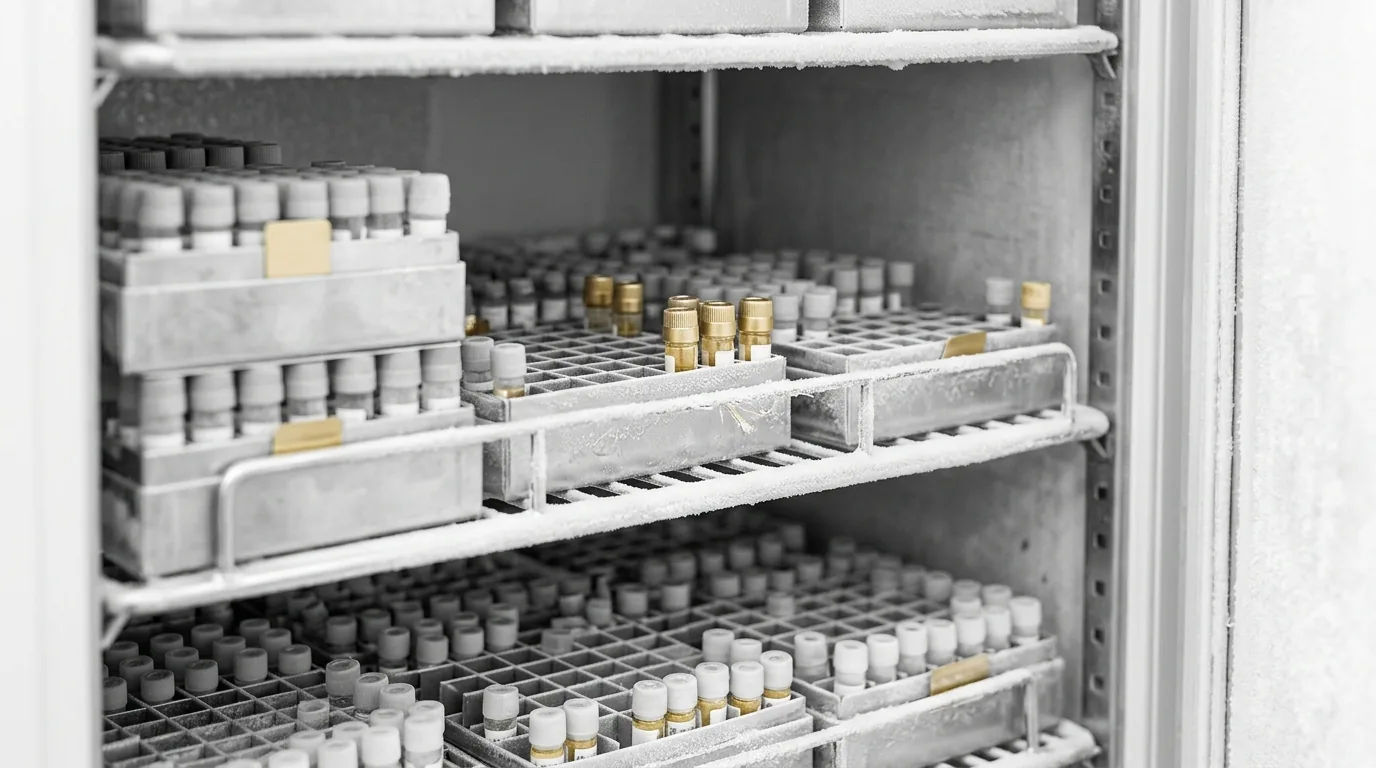
What Do Peptides Do in the Body? Hormones, Neurotransmission & Immune Defense
A systems-level overview of peptide functions in human physiology, covering hormone signaling (insulin, oxytocin), neurotransmission (substance P, endorphins), immune defense (defensins, LL-37), growth factors, and enzyme regulation. Includes current market and regulatory data.

Peptide Calculator: Reconstitution Mathematics and Laboratory Guidelines
A practical guide to peptide reconstitution calculations, covering concentration formulas, syringe conversions, solvent selection (BAC water vs sterile water), storage conditions, and a link to our free online calculator tool.

Where Do Peptides Occur Naturally? Endogenous, Food-Derived & Venom Sources
An overview of natural peptide sources spanning endogenous human peptides, food-derived bioactive sequences, antimicrobial peptides in innate immunity, and venom-derived peptides that have led to FDA-approved therapeutics. Covers the AMPSphere database and peptide diversity in nature.

Peptide Skincare: The Science Behind Cosmetic Peptides
An evidence-based analysis of cosmetic peptide research, examining the four functional categories, key compounds (GHK-Cu, Argireline, Matrixyl), their proposed mechanisms of action, and the formulation challenges that govern topical delivery.
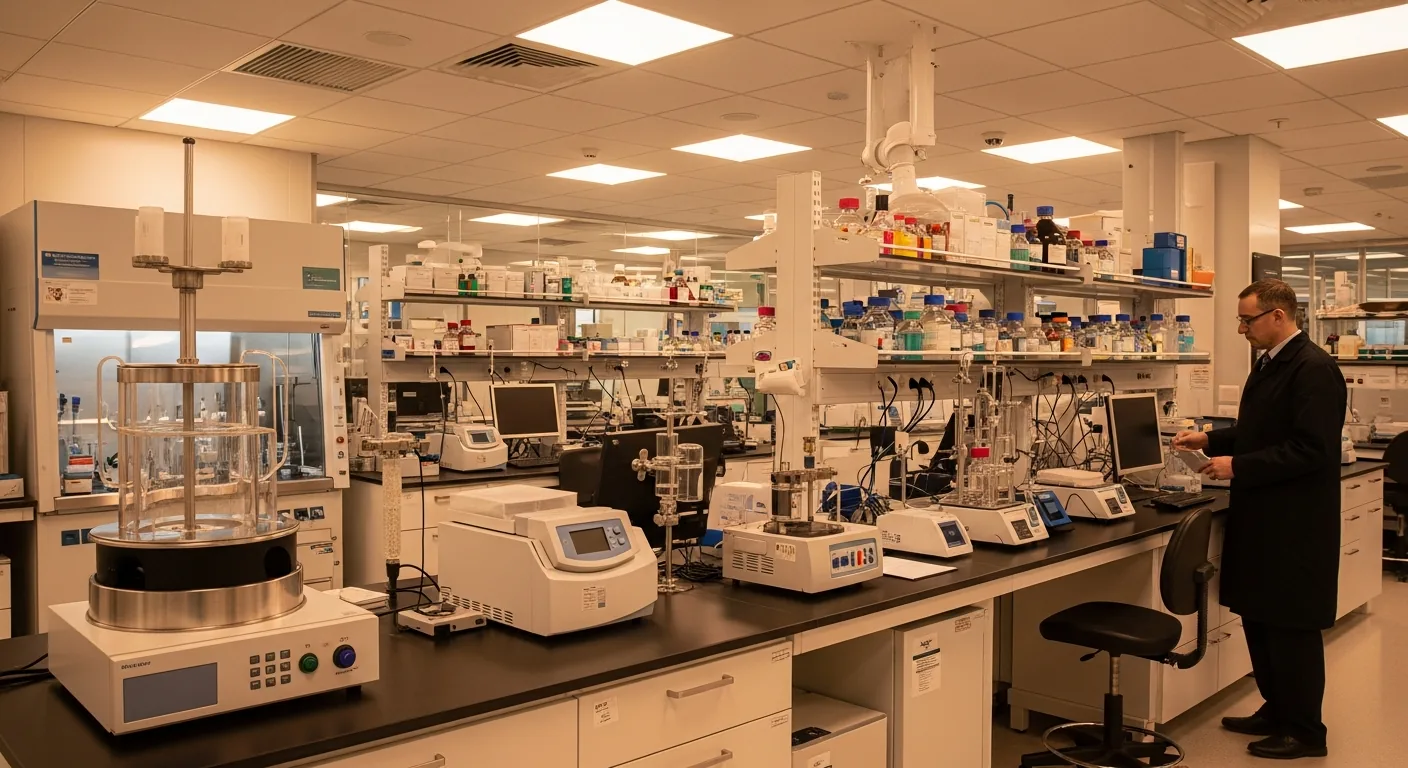
Copper Peptide Research: GHK-Cu Science, Mechanisms, and Biological Activity
A detailed scientific overview of copper peptides, focusing on GHK-Cu structure, copper biology, wound healing research, collagen synthesis data, and anti-inflammatory properties documented in published literature.

Peptide Combinations: Compatibility Research & Evidence Assessment
A critical analysis of peptide combination research, examining the theoretical basis for multi-peptide protocols, pH and storage compatibility considerations, and the significant lack of dedicated combination RCT evidence in the published literature.

What Is a Peptide? A Clear, Scientific Explanation
A foundational explanation of peptide chemistry covering amino acid building blocks, peptide bond formation, size-based classification, naturally occurring examples, and modern solid-phase synthesis techniques.
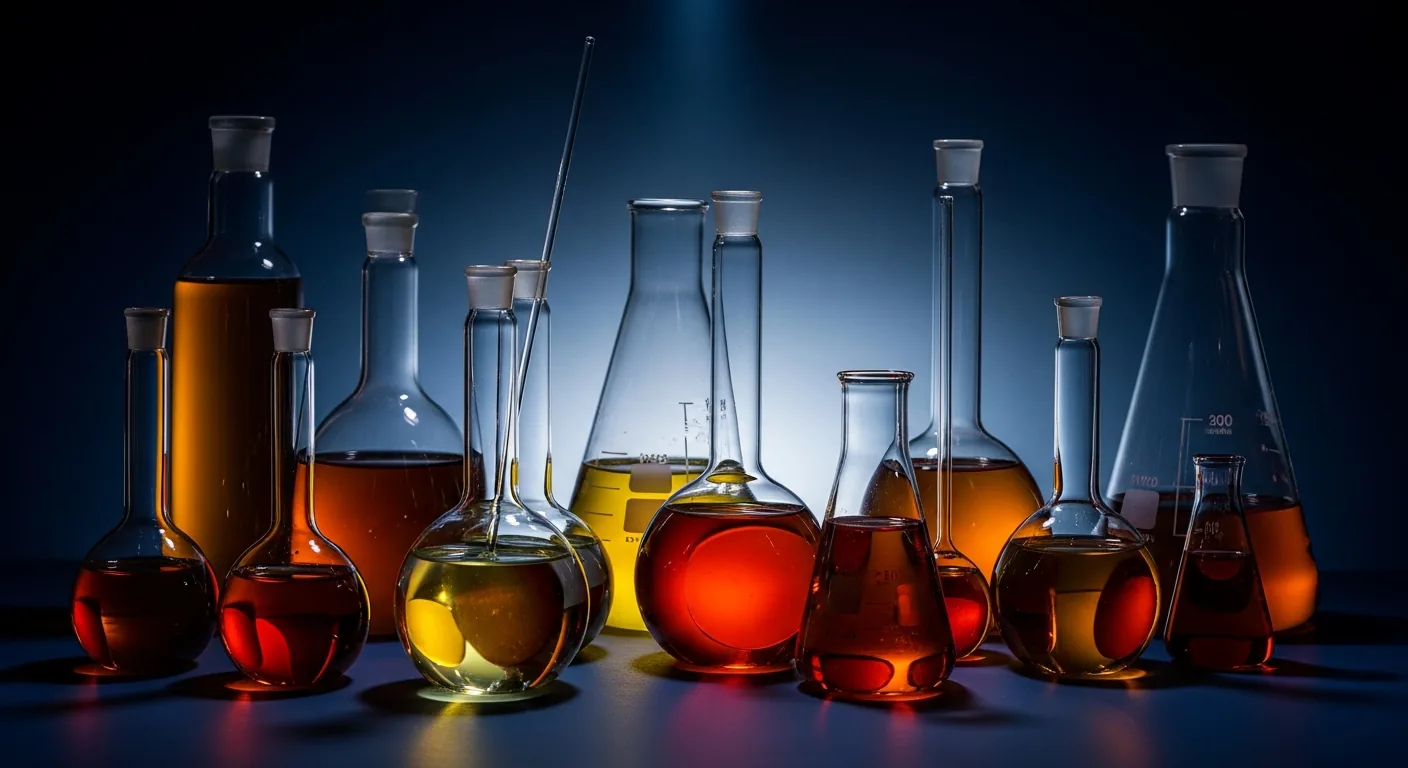
GLP-1 Peptides: Receptor Agonist Research and Clinical Trial Evidence
A scientific review of glucagon-like peptide-1 receptor agonists, covering the incretin effect, drug development history, landmark clinical trials (STEP, SUSTAIN, SELECT), cardiovascular research, and agent comparison.

Peptides for Wrinkles: Anti-Aging Research Evidence & Limitations
A critical examination of the research evidence for anti-aging peptides including Matrixyl, Argireline, and GHK-Cu. Reviews clinical trial data on wrinkle reduction, collagen synthesis, and the significant limitations in current study methodologies.
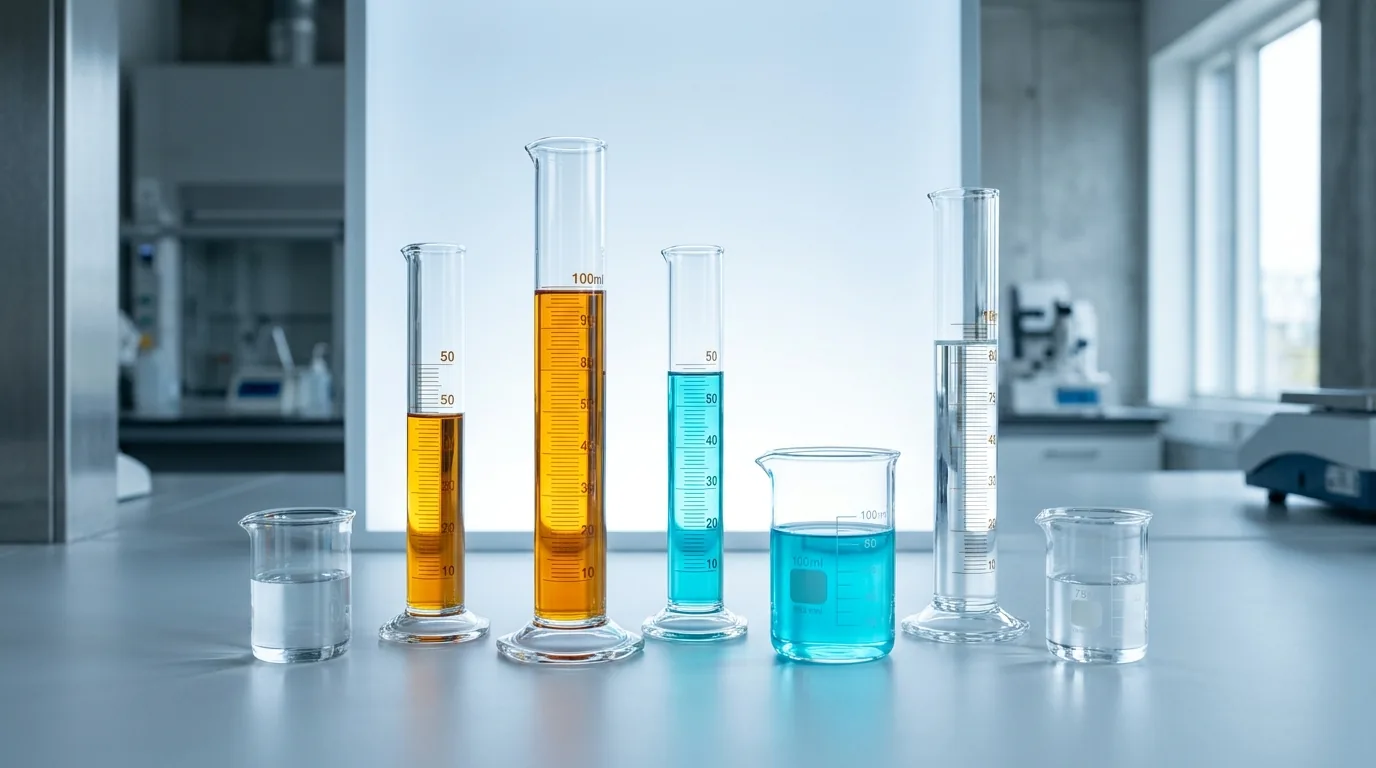
What Not to Combine with Peptides: Laboratory Compatibility Guide
A technical reference on peptide incompatibilities in the laboratory setting, covering pH-dependent degradation, oxidative damage, metal ion interactions, protease contamination, and proper storage and reconstitution protocols.
GHK-Cu Peptide: Complete Research Profile and Molecular Analysis
A comprehensive scientific profile of GHK-Cu (glycyl-L-histidyl-L-lysine copper complex), covering its discovery, molecular properties, gene expression effects, wound healing research, and antioxidant properties.
When to Use Peptides: Laboratory Storage, Reconstitution & Stability Protocols
Evidence-based laboratory protocols for peptide storage, reconstitution, and stability. Covers lyophilized and reconstituted storage conditions, aliquoting strategies, freeze-thaw limitations, and recent multi-peptide stability data.
What Are Peptides Good For? Research Applications Reviewed
A survey of current peptide research applications spanning wound healing, metabolic regulation, skin regeneration, and antimicrobial activity, with emphasis on preclinical and clinical evidence for key sequences.
Peptides for Face: Scientific Research on Cosmetic Peptide Compounds
An evidence-based review of peptide compounds studied for facial skin applications, including signal peptides, neurotransmitter inhibitors, and carrier peptides. Covers classification, mechanisms, and research findings.

BPC-157 Peptide: Structure, Mechanism & Preclinical Research Profile
A comprehensive research profile of BPC-157, a 15-amino-acid gastric pentadecapeptide. Covers structural properties, nitric oxide modulation via VEGFR2-PI3K-Akt-eNOS, gastric juice stability, and the current state of preclinical evidence.
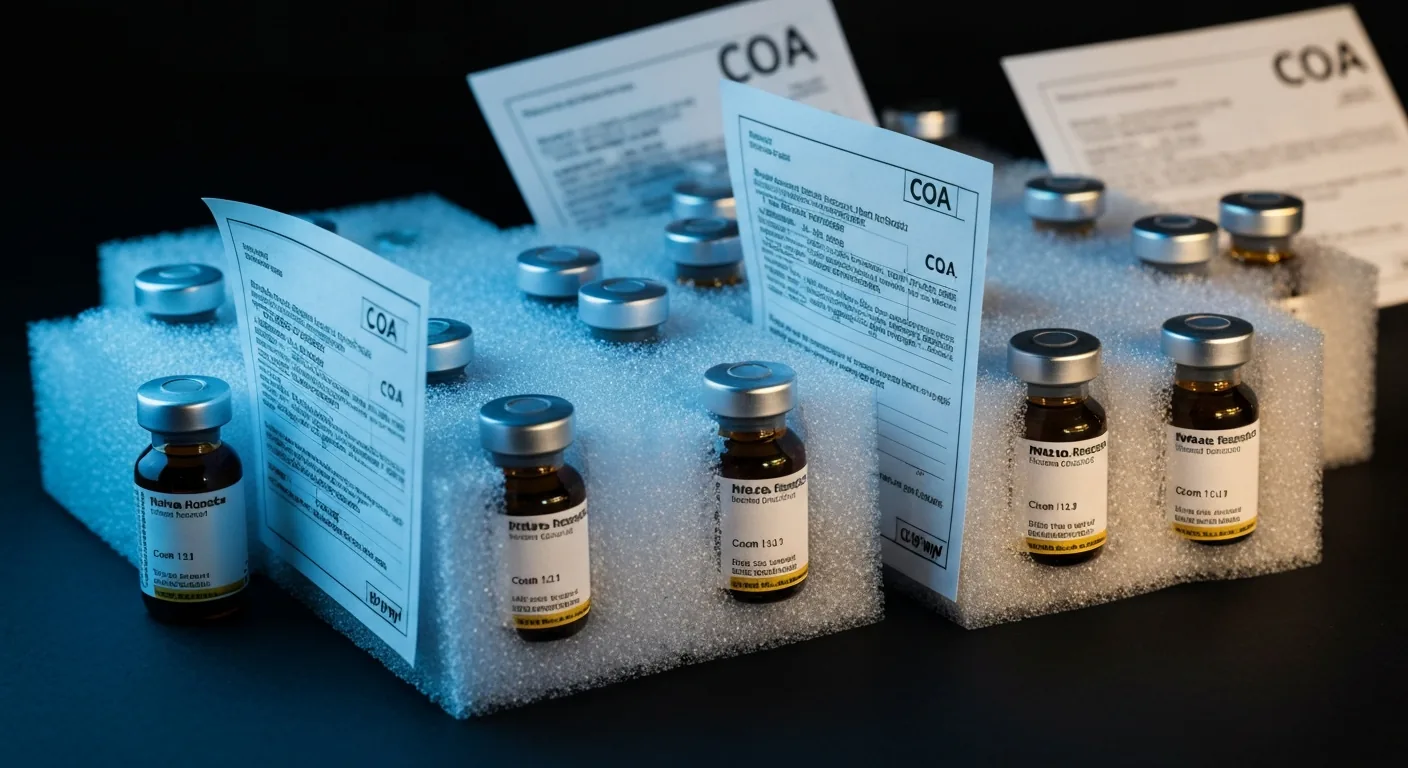
Peptide Sciences: Key Research Areas and Recent Breakthroughs
A comprehensive review of the peptide sciences landscape, covering major research domains, the transformative impact of AI-driven protein structure prediction, recent FDA approvals, and the trajectory of peptide drug development.

Peptides for Hair: Research on Follicle Biology and Growth Signaling
A scientific review of peptide compounds investigated for hair follicle biology, including GHK-Cu, Thymosin Beta-4, and biomimetic peptides. Covers mechanisms, in vitro findings, and current research limitations.

Peptide Supplements: A Research-Grade Quality Guide
An evidence-based overview of peptide supplement quality, purity testing methodologies, regulatory classification, and how researchers can evaluate product integrity in a rapidly growing market.

GMP Peptide Manufacturing: Standards and Quality Control Guidelines
Learn about GMP peptide manufacturing standards, quality control processes, and regulatory compliance requirements for peptide production in research.
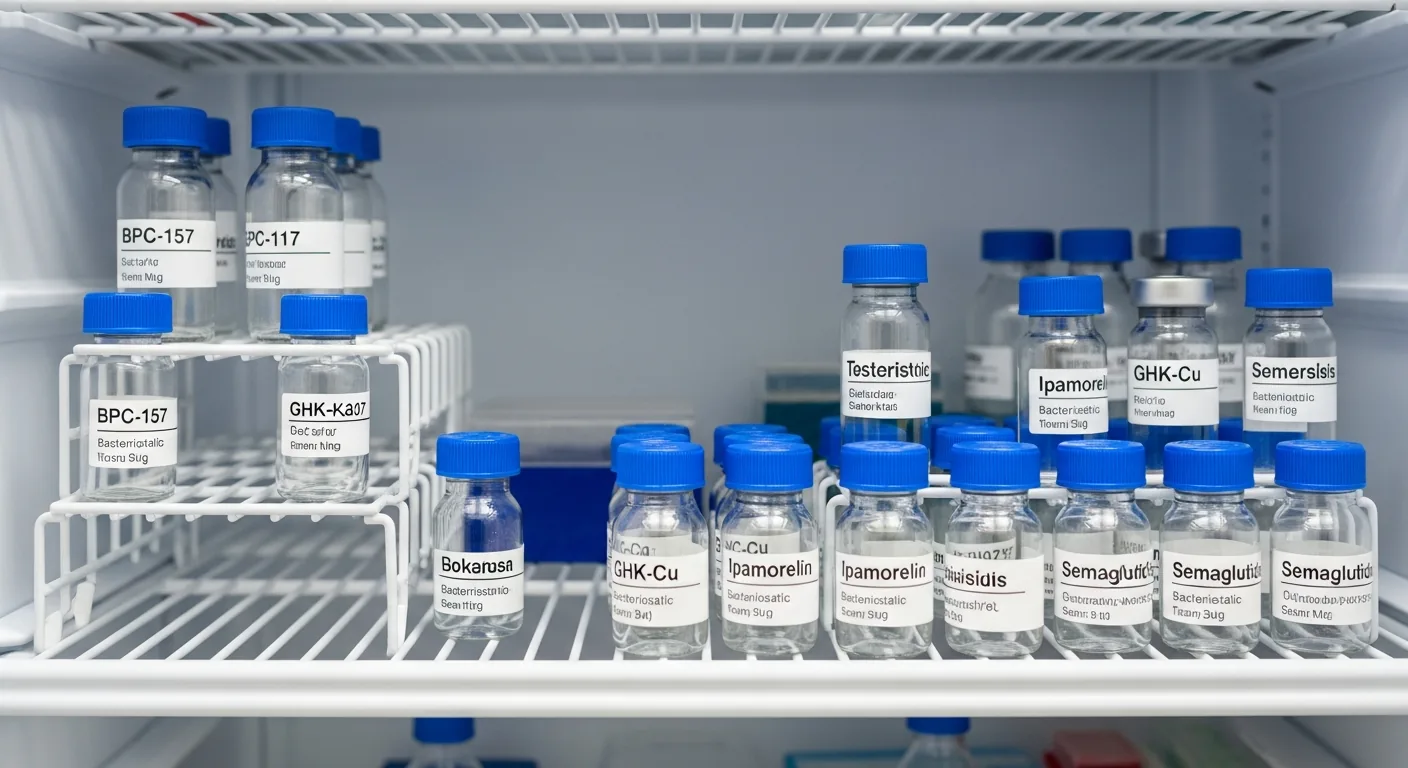
Complete Peptide Solubility Guide: Solutions for Research Success
Master peptide solubility with our comprehensive guide. Learn proper solvents, pH optimization, and troubleshooting techniques for research applications.
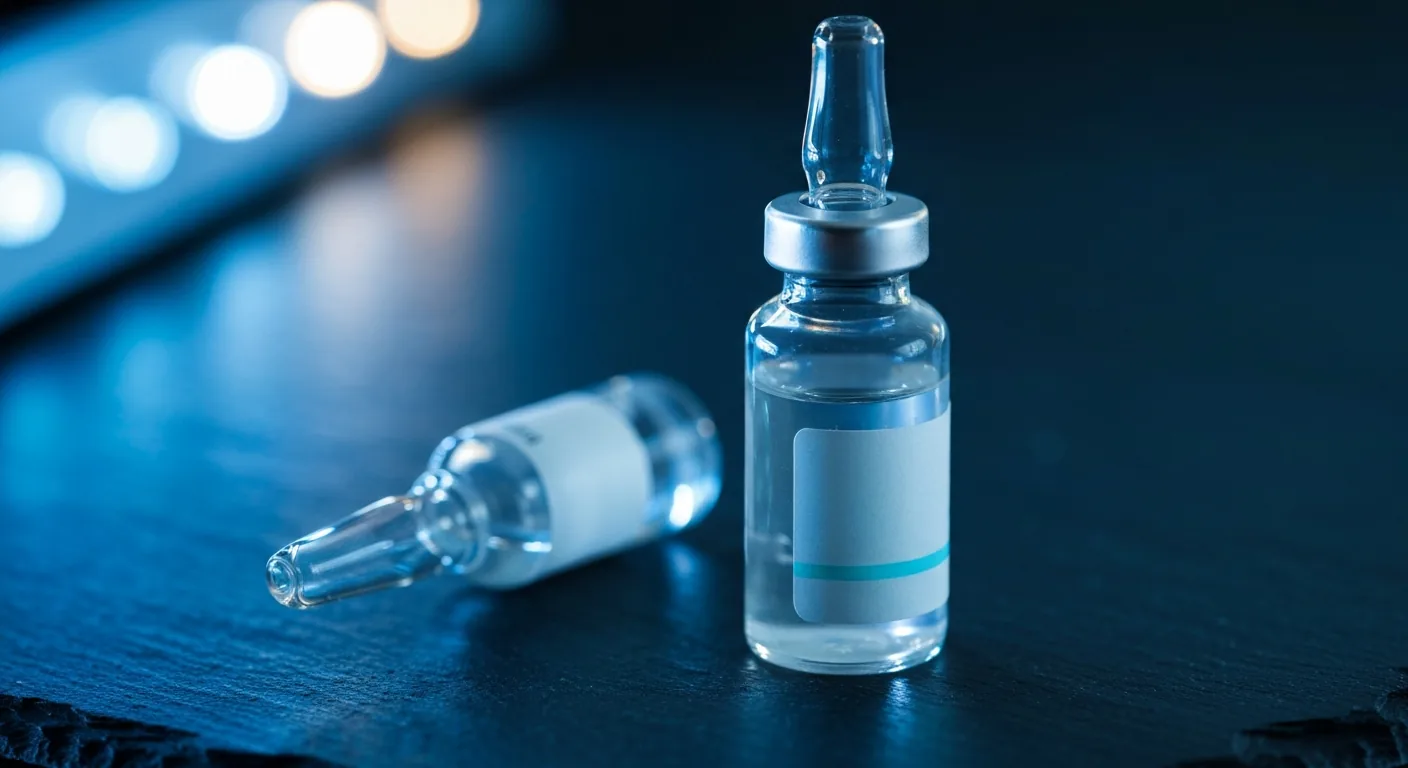
Lyophilized Peptide Handling: Best Practices for Research Applications
Complete guide to lyophilized peptide handling techniques, storage requirements, and reconstitution protocols for optimal research outcomes and peptide stability.

Amino Acid Analysis for Peptides: Complete Guide to Verification Methods
Master amino acid analysis techniques for peptide verification. Learn HPLC, mass spectrometry methods, sample prep, and quality control for accurate research.

Research Peptide Vendor Evaluation: Complete Guide for Scientists
Master research peptide vendor evaluation with our comprehensive guide. Learn essential criteria, red flags, and best practices for selecting reliable suppliers.

Peptide Storage Guidelines: Best Practices for Research Compounds
Essential peptide storage guidelines for researchers. Learn proper temperature, humidity, and container requirements to maintain peptide stability and integrity.